
Don't Look Down
2019
No user ratings available yet
Representation score: 6.3 out of 10
Representation Score
Limited
2019
Director
Michael Fetter Nathansky
Runtime
104 minutes
Average Rating
No ratings yetNew Showbiz Analysis
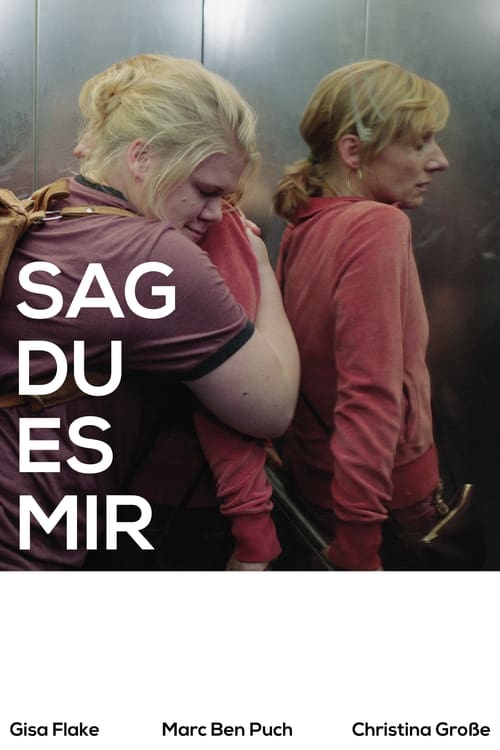
You Tell Me is a character-driven drama that prioritizes psychological depth over traditional narrative structures. It utilizes a multi-perspective structure to explore the aftermath of violence, shifting between the victim, the protector, and the perpetrator. The film's primary achievement is its challenge to the hero/villain binary. By refusing to provide easy answers, it explores the fragmentation of truth and the subjective nature of morality. However, the work lacks measurable diversity in terms of racial, LGBTQ+, or disability representation. Its progressive engagement is limited to its deconstruction of gendered protection clichés and moral certainty.
Category Breakdown
The film does not include any explicit LGBTQ+ characters or non-cisgender identities. There is no narrative addressing the assumption that everyone is straight or cisgender.
The story focuses on women's ability to drive the plot and the complexities of sisterhood. It challenges traditional gender roles by questioning the roles of protector and protected.
There is no mention of diverse casting or non-Anglo-Saxon majority ensembles. The absence of verifiable diverse representation results in a low score.
The narrative achieves depth through moral relativism. By presenting the offender's perspective, it deconstructs traditional notions of justice and singular moral frameworks.
The film provides no evidence regarding the portrayal of physical, neurodivergent, or mental health disabilities.
Present on Screen
Limited or Absent
Official Synopsis
After 20 years Moni (38) returns home to her sister Silke who has been attacked by a stranger. Moni is willing to do anything possible to find the attacker and to protect her sister. But is that really what Silke (34) wants? And if so, who is actually the one, to be protected? And above all, protect from who? And which role does the offender René (38) play, who doesn't even understand why he did it. A melancholic film that plays with three different perspectives and constantly reinvents itself while searching for answers.
2019
2022
2006

2010

2017
2018
2022

2017
No reviews yet. Be the first to share your thoughts on this movie!
Use the rating form above to leave a star rating and optional review.