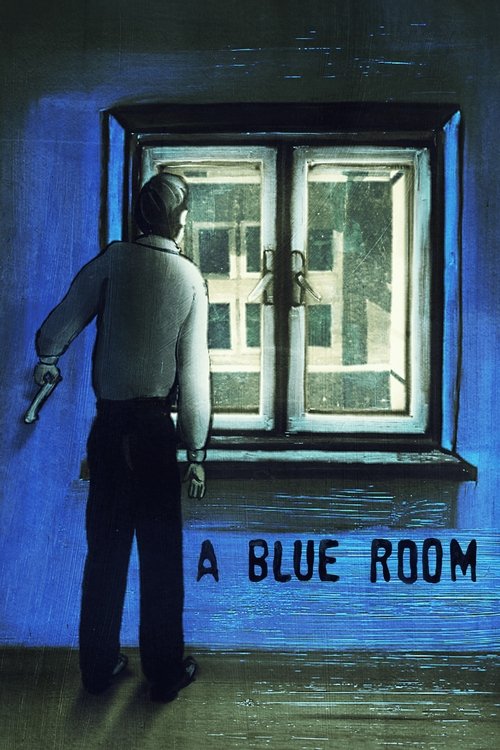
A Blue Room
2014
No user ratings available yet
Representation score: 1.9 out of 10

Representation Score
Limited
2014
Director
Ivana Bošnjak Volda, Thomas Johnson
Runtime
9 minutes
Average Rating
No ratings yetNew Showbiz Analysis
Simulacra is a contemplative animation that prioritizes psychological depth over demographic breadth. By using the mirror as a tool to question the stability of the subject, the film moves away from traditional social structures to focus on ontological truth. The work succeeds in its postmodern inquiry into identity, offering a sophisticated look at the tension between the internal self and external reflections. This thematic focus allows for a fluid exploration of character's ability to drive the story that transcends standard social categories. However, the film lacks concrete details regarding specific character identities. Without explicit depictions of race, disability, or queer intimacy, the diversity remains largely conceptual and thematic rather than visible or representative.
Category Breakdown
The film explores the fragmentation of identity and the search for a hidden self. However, there are no explicit depictions of queer identity or intimacy.
The narrative centers on an individual's internal psychological struggle. It avoids reinforcing traditional gender hierarchies, instead focusing on an identity-fluid exploration of the psyche.
There is insufficient information regarding character ethnicities or the visual setting to provide a meaningful assessment of racial or ethnic diversity.
The film adopts a secular, postmodern approach by prioritizing existential uncertainty. It challenges traditional Western constructs of the individual through the deconstruction of reality and the self.
There is no evidence to suggest that neurodivergence or physical disability serves as a central driver within the narrative.
Present on Screen
Limited or Absent
Official Synopsis
Which image is real - the one staring at us from the mirror or the one standing in front of it? In hallways filled with illusions, a simulacrum behind the looking glass, he is trying to find out if he is looking at a stranger or a hidden part of himself.
2014
1988
1991
1985

2017
2018
1986
2018
No reviews yet. Be the first to share your thoughts on this movie!
Use the rating form above to leave a star rating and optional review.