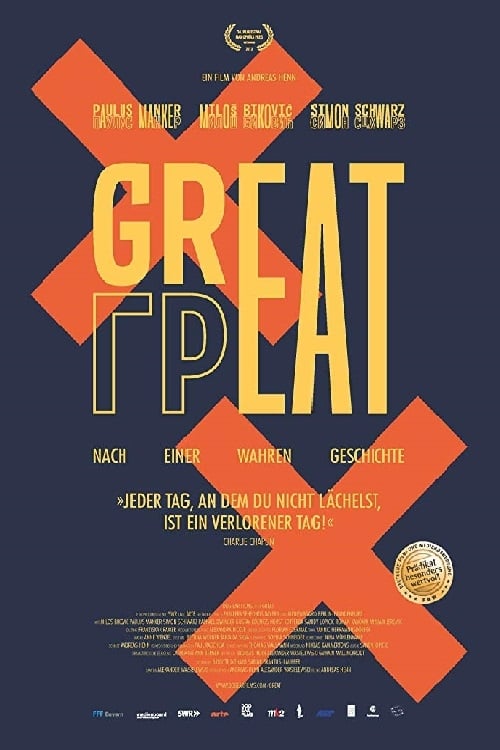
Great
2013
No user ratings available yet
Diversity score: 6.3 out of 10
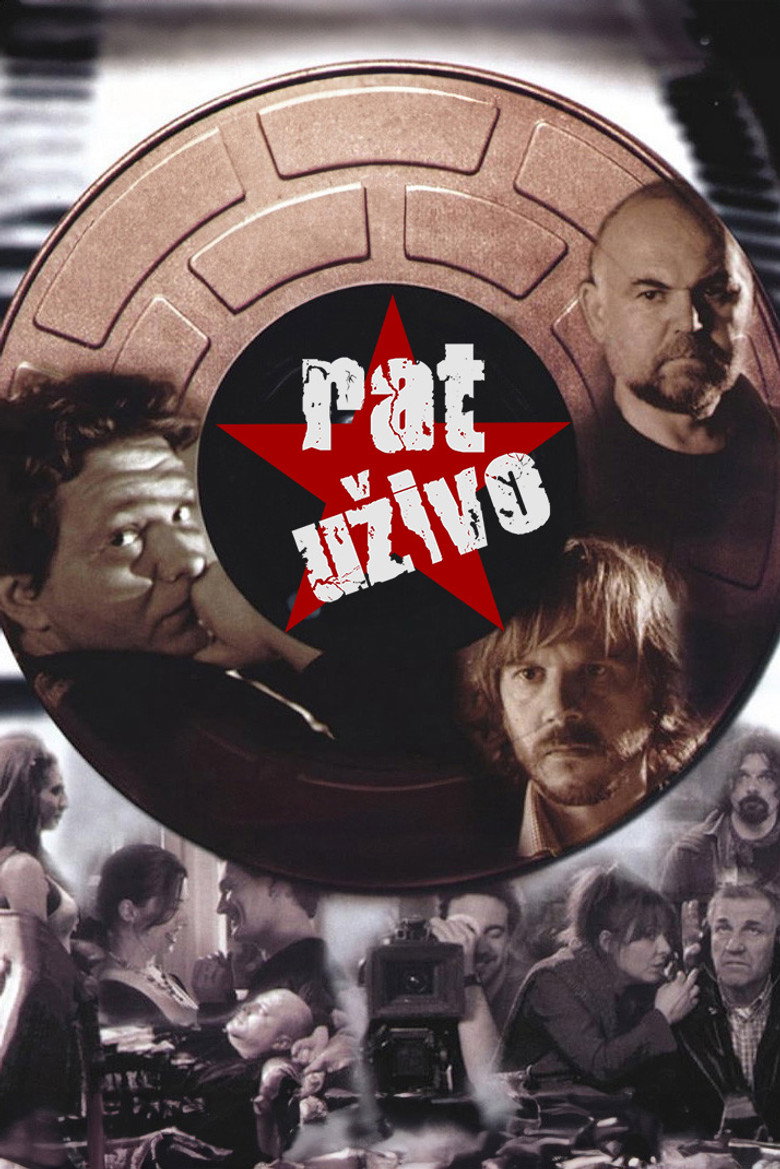
2000
Director
Darko Bajić
Runtime
101 minutes
Average Rating
No ratings yetSynopsis
Belgrade, 1999. Producer Sergei and his film crew are in a disastrous situation - the film they're making is under threat - there's no money, the crew are dissatisfied - and NATO bombing is just around the corner. Then a member of the State Security Service (Mileta) comes looking for American co-producer Harvey. Anxious and worried, in the midst of the bombing that's begun, Sergei hides Harvey from what he thinks is awaiting him - arrest. During the night, he thinks up a plan. He announces the start of filming on a new, patriotic film - in which the main role will be played by Harvey. The plan works - the State supports the film and Mileta, as the State's representative, joins the crew. However, the underlying conflict between Mileta and Sergei explodes during the first screening. Mileta accuses them of being artists, and not being patriots.
Overall Score
Fair
Category Breakdown
LGBTQ+ Representation
The narrative focuses on geopolitical and professional tensions between producers and state agents. There is no evidence of LGBTQ+ characters or non-heteronormative dynamics within the plot.
Gender Representation
The film depicts a world dominated by male-centric power struggles. While the bombing disrupts traditional roles, narrative agency remains concentrated in male protagonists.
Racial & Ethnic Diversity
Casting is predominantly South Slavic, reflecting the demographic reality of 1999 Belgrade. The American co-producer introduces a cross-cultural dynamic that catalyzes the plot.
Religious & Cultural Diversity
The film critically portrays state institutions and the State Security Service as antagonistic forces. It challenges nationalism by depicting patriotic projects as deceptive survival tactics.
Disability Representation
There is no explicit focus on physical or neurodivergent disabilities. The film instead captures the systemic psychological trauma of living under bombardment.
Strengths
Areas for Improvement
AI Analysis
War Live is a sophisticated critique of institutional power that prioritizes psychological realism over heroic archetypes. It excels in cultural representation by deconstructing nationalistic myths and exploring the moral relativism required to survive a corrupt system. However, the film remains limited by traditional gendered power dynamics and a lack of demographic breadth. The narrative is heavily centered on male-driven conflicts, and there is a notable absence of LGBTQ+ or specific disability representation. Ultimately, the film's strength lies in its anti-institutionalist framework. It uses a localized ethnic conflict to provide a profound exploration of survival, even if it lacks a multicultural mosaic.
No reviews yet. Be the first to share your thoughts on this movie!
Use the rating form above to leave a star rating and optional review.