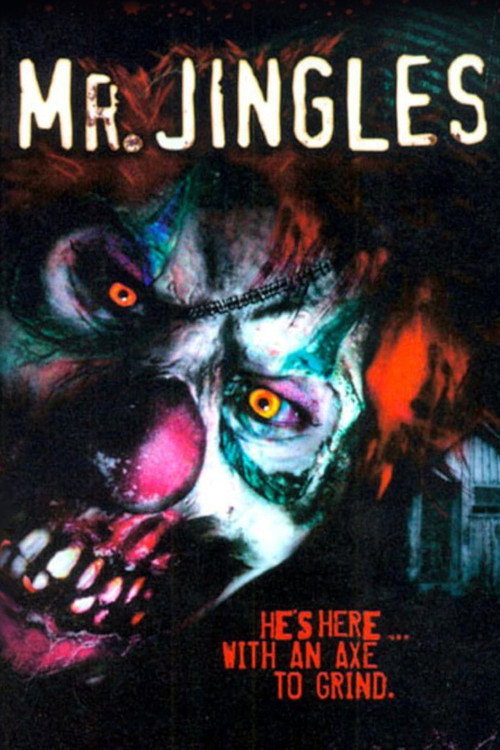
Mr. Jingles
2006
No user ratings available yet
Representation score: 3.1 out of 10
Representation Score
Fair
2008
Director
Steve Sessions
Runtime
88 minutes
Average Rating
No ratings yetNew Showbiz Analysis
Torment operates as a standard genre piece that relies heavily on established horror archetypes. The narrative structure prioritizes suspense and the 'unreliable narrator' cliché over complex social commentary or multi-layered representation. The film's character dynamics reinforce traditional social hierarchies, particularly regarding gender and mental health. By positioning the female lead's instability against the male lead's stability, the film adheres to conventional cinematic roles rather than challenging them. Ultimately, the lack of visible diversity in casting and the reliance on predictable character clichés result in a production that functions within a very narrow, homogeneous framework.
Category Breakdown
The story centers around a heterosexual relationship between Laura and Ray. There is no indication of non-binary gender identities or any critique of the assumption that everyone is straight or cisgender.
Gender roles follow traditional patterns, with the male lead portrayed as a stable provider and the female lead as psychologically vulnerable. This reinforces the idea that masculinity is linked to strength and competence.
The film seems to lack a diverse cast, sticking to a conventional Western horror framework. There is no sign of intentional ethnic blending or non-Anglo-Saxon representation.
While the film touches on mental health and societal reintegration, it relies on standard horror clichés. It does not provide a clear critique of institutions or specific cultural perspectives.
The protagonist's psychiatric history is central to the plot. However, the narrative risks using her mental illness as a mere device to create tension and ambiguity.
Present on Screen
Limited or Absent
Official Synopsis
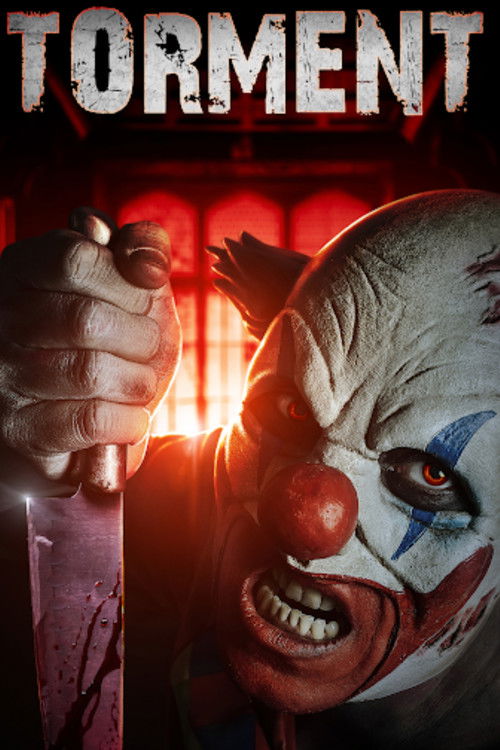
Chainsaw Sally star Suzi Lorraine plays a recently released psychiatric hospital patient who heads for an isolated river cottage in order to re-adjust to the outside world, only to be stalked by a psychotic clown with a sick sense of humor. All Laura Wiggington wanted was to be normal again, but after years of living with some of the craziest mental patients ever committed that's a pretty tall order. Thankfully Laura's husband Ray (Tom Stedham) knows just what the doctor ordered - a peaceful getaway far removed from the stress and chaos of the big city. But now Dissecto the clown has arrived at Ray and Laura's cottage in order to perform some seriously sick party tricks, and Laura can't help but wondering if he is in fact for real, or a disturbing delusion conjured by her scarred psyche
2006
2011
2007
1983
2020

2017
2003
2018
No reviews yet. Be the first to share your thoughts on this movie!
Use the rating form above to leave a star rating and optional review.