
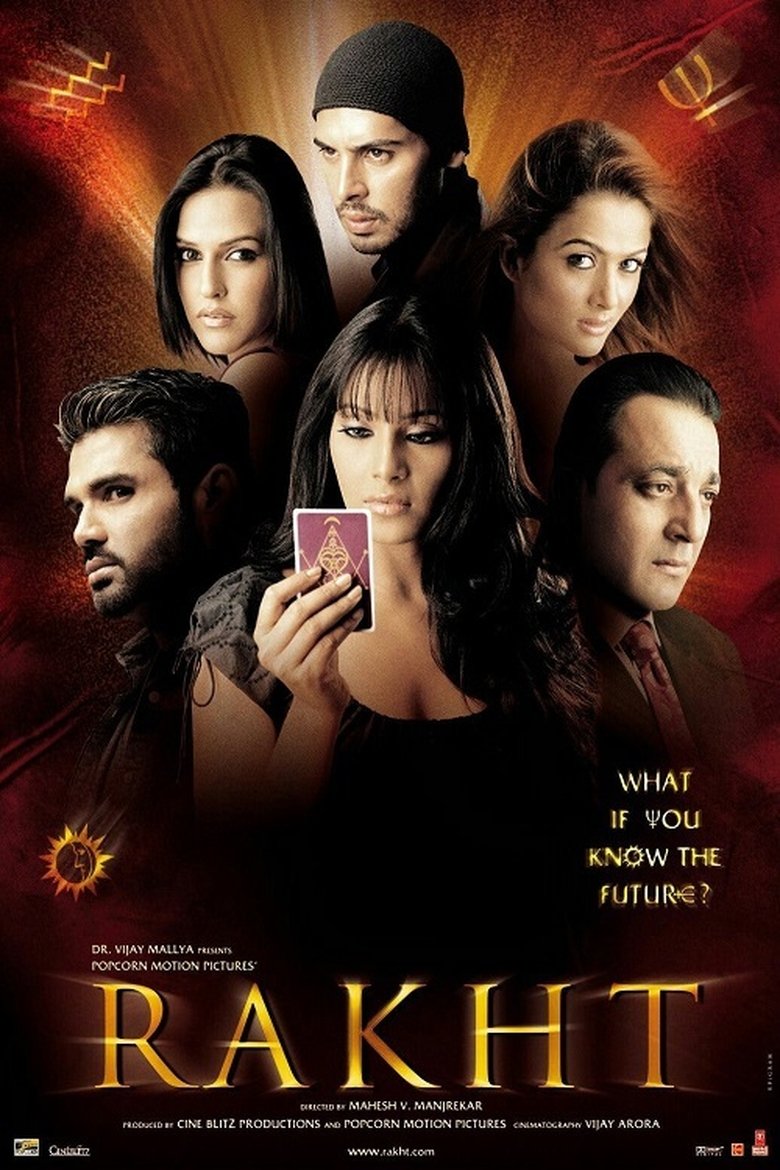
Baaz: A Bird in Danger
2003
No user ratings available yet
Diversity score: 2.9 out of 10
2004
Director
Mahesh Manjrekar
Runtime
162 minutes
Average Rating
No ratings yetSynopsis
Drishti, a psychic tarot card reader becomes unwittingly mixed up in the disappearance and possible murder of a socialite.
Overall Score
Fair
Category Breakdown
LGBTQ+ Representation
The film adheres to traditional heteronormative structures. There is no presence of non-cisnormative identities or same-sex intimacy within the character arcs.
Gender Representation
Power dynamics are centralized within male-driven hierarchies. Female characters often serve as emotional catalysts for male vengeance rather than possessing independent agency.
Racial & Ethnic Diversity
The film provides an authentic depiction of the South Asian urban landscape. It avoids Western-centric perspectives by centering a predominantly South Asian cast.
Religious & Cultural Diversity
Religious iconography is used primarily as cultural texture. The narrative focuses on the cycle of underworld revenge rather than systemic institutional critique.
Disability Representation
There is no significant evidence regarding the portrayal of visible or invisible disabilities within the narrative.
Strengths
Areas for Improvement
AI Analysis
Rakht is a culturally immersive crime thriller that excels in its localized realism. By centering the specific linguistic and ethnic textures of Mumbai, the film avoids the pitfalls of Western-centric casting and provides an organic South Asian perspective. However, the film struggles with progressive representation. The narrative architecture relies heavily on traditional gendered power structures, where women's roles are frequently tethered to the motivations of men. The story prioritizes genre-standard tropes of masculinity over intersectional disruption. Ultimately, while the film is ethnically authentic, it remains socially conservative. It operates within a conventional framework of romantic and familial structures, offering little to no representation for LGBTQ+ identities.
2003
2008

2016

2007

2005

2005

2004
2014
1986

2004

2019
1974
No reviews yet. Be the first to share your thoughts on this movie!
Use the rating form above to leave a star rating and optional review.