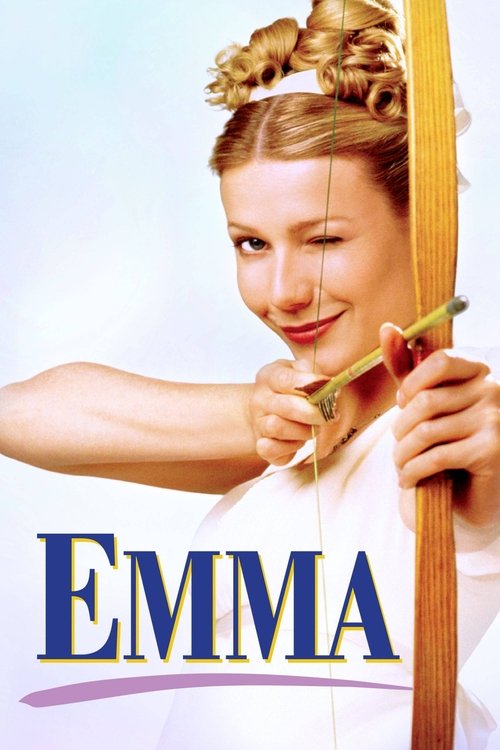
Emma
1996
No user ratings available yet
Representation score: 1.2 out of 10
Representation Score
Fair
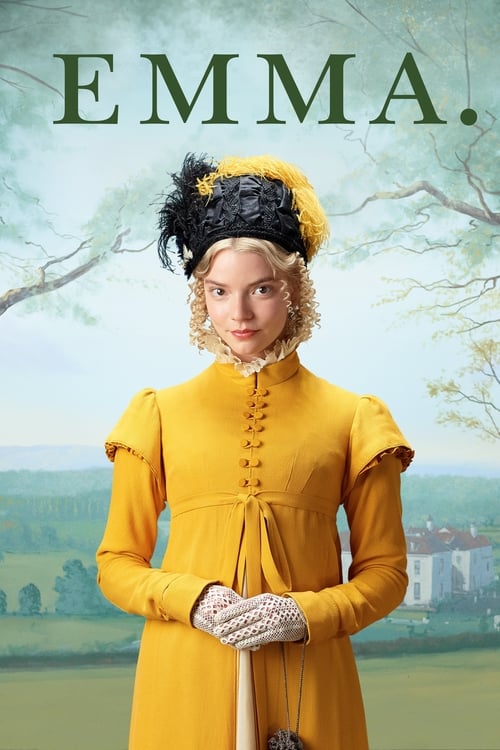
2020
PGDirector
Autumn de Wilde
Runtime
125 minutes
Average Rating
No ratings yetNew Showbiz Analysis
Autumn de Wilde’s adaptation is a highly polished, traditionalist work that prioritizes aesthetic cohesion and historical atmosphere. It provides a nuanced look at women's ability to drive the story and social intellect within a restrictive patriarchal hierarchy. However, the film remains deeply conservative in its approach to representation. By strictly adhering to the period's inherent homogeneity and traditional romantic structures, it avoids challenging conventional social hierarchies or introducing diverse perspectives. The result is a visually vibrant experience that functions within a very narrow, traditionalist framework, offering character depth while maintaining a lack of diverse representation.
Category Breakdown
The film follows the romantic structures typical of the early 19th century, which assume everyone is straight or cisgender. There are no representations of same-sex relationships or non-binary gender identities.
Emma Woodhouse demonstrates strong social intelligence and plays a significant role in driving the story within a patriarchal society. The film explores the economic necessity of marriage but does not portray women as purely submissive.
The cast is primarily white and Anglo-Saxon, reflecting the historical homogeneity of the Regency era's social elite. The film does not include actors from different racial backgrounds or explore diverse perspectives.
The story is grounded in Western traditions of etiquette and class hierarchy. It operates within established social structures without critiquing Western institutions.
There are no prominent depictions of visible or invisible disabilities or neurodivergence. Characters are portrayed as socially and romantically capable.
Present on Screen
Limited or Absent
Official Synopsis
In 1800s England, a well-meaning but selfish young woman meddles in the love lives of her friends.
1996
1996
2016
1957
2013
2002
2011
2013
No reviews yet. Be the first to share your thoughts on this movie!
Use the rating form above to leave a star rating and optional review.