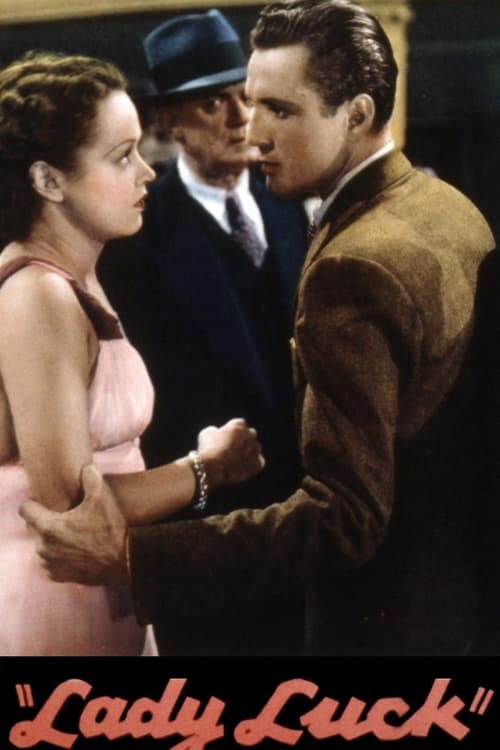
Lady Luck
1936
No user ratings available yet
Representation score: 1.9 out of 10
No Poster Available
Representation Score
Minimal
1934
ApprovedDirector
James Tinling
Runtime
65 minutes
Average Rating
No ratings yetNew Showbiz Analysis
Call It Luck is a product of the 1930s studio system, adhering to the conventional narrative structures and social hierarchies of its era. The story focuses on a male taxicab driver caught in a scheme involving sweepstakes and a confidence gang. Because the film centers on traditional masculine pursuits like gambling and horse racing, it reinforces the gender roles common to early sound-era crime comedies. The lack of diverse character descriptions suggests a homogeneous cast typical of the period's British filmmaking. Ultimately, the film functions as a standard morality tale. It engages with established social structures rather than attempting to challenge or disrupt the demographic norms of the time.
Category Breakdown
The film follows a conventional crime-comedy structure centered on a male protagonist. There is no evidence of non-straight identities or narratives that critique the assumption that everyone is straight or cisgender.
The plot is driven by men's control over the story and traditional masculine pursuits like gambling and horse racing. The narrative focuses on a male taxicab driver navigating a world of crime.
Set in London, the film likely reflects the homogeneous demographic norms of the 1930s. It centers on white, Anglo-Saxon protagonists without mentioning a diverse cast.
The story operates within a traditional capitalist framework focused on individual luck and wealth. It follows a standard morality tale typical of 1930s London social structures.
The available information provides no details regarding characters with visible or invisible disabilities.
Present on Screen
Limited or Absent
Official Synopsis
A London taxicab driver cashes in on a big sweepstakes ticket and becomes the prey of a confidence-gang that sells him a nag of a cavalry horse on the claim that it is a brother to a current Derby winner.
1936
1936
1951
1939
1930

1923
1932
1936
No reviews yet. Be the first to share your thoughts on this movie!
Use the rating form above to leave a star rating and optional review.