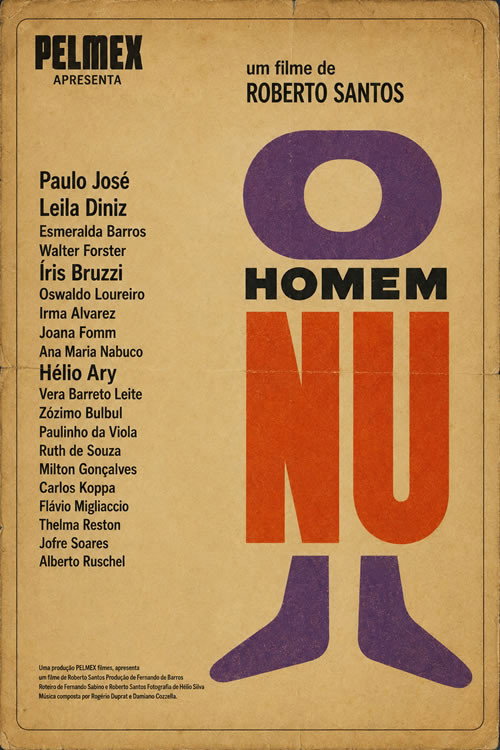
The Naked Man
1968
No user ratings available yet
Representation score: 5.6 out of 10
Representation Score
Fair
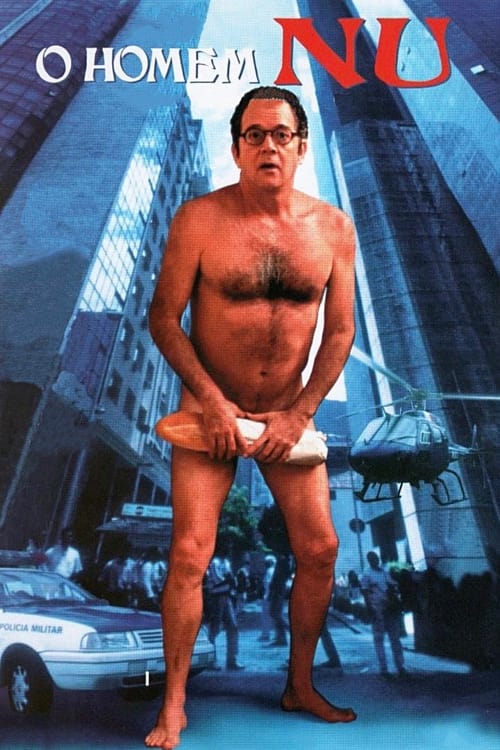
1997
Director
Hugo Carvana
Runtime
76 minutes
Average Rating
No ratings yetNew Showbiz Analysis
The film serves as a character-driven comedy that deconstructs the archetype of the professional man. By placing the protagonist in a state of extreme vulnerability, it challenges conventional social decorum and masculine authority. While the work offers a refreshing departure from Western-centric social hierarchies, it lacks explicit representation of LGBTQ+ themes or specific details regarding racial casting. The narrative focus remains largely on situational irony and the disruption of social stability. Ultimately, the film's strength lies in its observational satire of human behavior rather than a broad spectrum of multi-layered identities.
Category Breakdown
The film does not explicitly depict queer relationships or non-cisgender identities. The plot focuses mainly on the protagonist's interactions with Marialva, limiting opportunities for queer subtext.
The movie challenges traditional masculine hierarchies by showing a professional man losing his dignity and control. Marialva plays a significant role by using her charm to influence the protagonist.
As a Brazilian production, the film provides a diverse cultural perspective. However, specific details about racial diversity are not given to confirm the depth of representation.
The story critiques bourgeois respectability through a lens of moral relativism. It prioritizes chaotic, subjective experiences over rigid, traditional social structures.
There is no evidence of characters dealing with physical or neurodivergent disabilities within the provided narrative.
Present on Screen
Limited or Absent
Official Synopsis
Writer Sílvio Proença needs to travel to São Paulo in order to promote his new book. At the airport, he meets a group of old mates. With the boarding canceled due to a strong storm, the group goes to the apartment of Marialva, daughter of one of Proença's friends. Seduced by Marialva's music and charms, Proença spends the night there, where he wakes up the next day, completely naked. Still groggy from his hangover, he goes to pick up the bread left outside the apartment; that's when the wind closes the door and leaves him naked outside.
1968
2003
2000
1976

1991
2017

2008
1993
No reviews yet. Be the first to share your thoughts on this movie!
Use the rating form above to leave a star rating and optional review.