
Non si ruba a casa dei ladri
2016
No user ratings available yet
Representation score: 3.0 out of 10

Representation Score
Limited
2006
Director
Carlo Verdone
Runtime
110 minutes
Average Rating
No ratings yetNew Showbiz Analysis
My Best Enemy is a conventional character comedy centered on individualistic interpersonal conflicts. The narrative structure prioritizes established social norms and traditional storytelling over multi-layered identity politics. The film focuses on the complexities of friendship and rivalry within a homogeneous setting. It avoids deconstructing systemic power dynamics and instead explores the comedic neuroses of the male experience. Ultimately, the work does not challenge the status quo and remains a traditional domestic comedy that lacks meaningful representation for underrepresented groups.
Category Breakdown
The film focuses on heterosexual relationships and does not include characters with non-traditional gender identities or narratives that challenge traditional structures.
The story emphasizes the rivalry between two male characters, and female characters mainly serve as plot catalysts or romantic interests without challenging traditional gender roles.
Set in Rome with a predominantly Italian cast, the film lacks diversity in ethnic backgrounds and does not use color-blind casting.
The narrative explores personal character flaws and friendships without critiquing systemic issues. It upholds a traditional view of social interactions and morality.
The film does not prominently depict visible or invisible disabilities. Characters' neuroses are used for comedic effect without exploring lived experiences.
Present on Screen
Limited or Absent
Official Synopsis
When a neurotic hotel manager fires a maid for allegedly stealing a laptop, her son swears revenge and begins to expose his deepest secrets — only to regret it after falling for his daughter.
2016

1976

2015

1991

1976
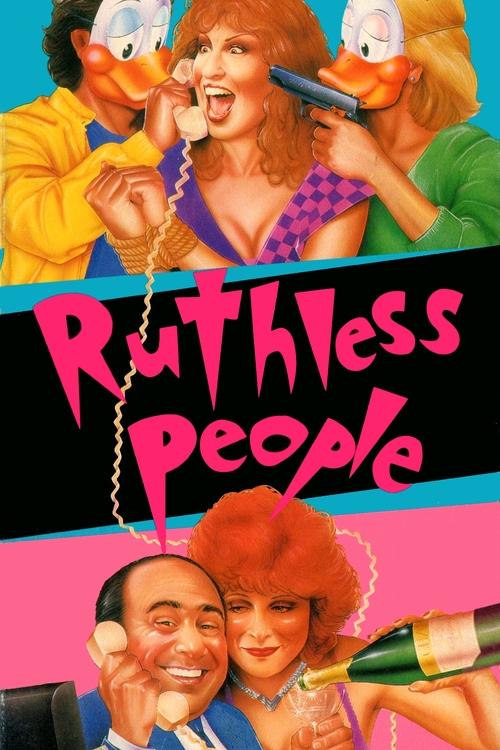
1986

2006

2012
No reviews yet. Be the first to share your thoughts on this movie!
Use the rating form above to leave a star rating and optional review.