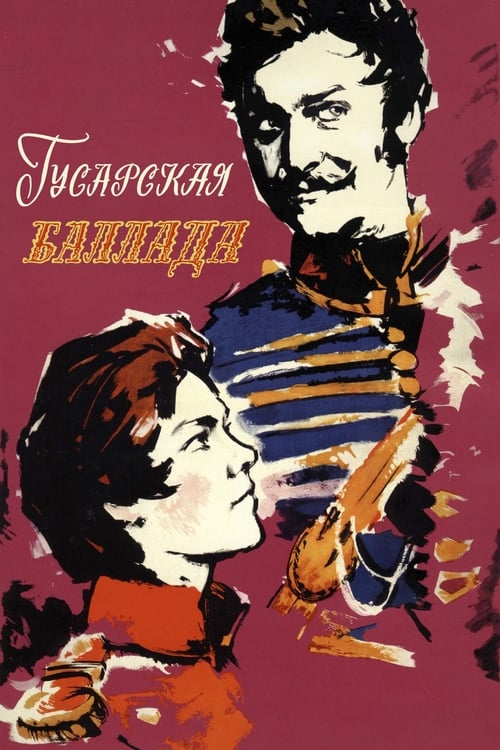
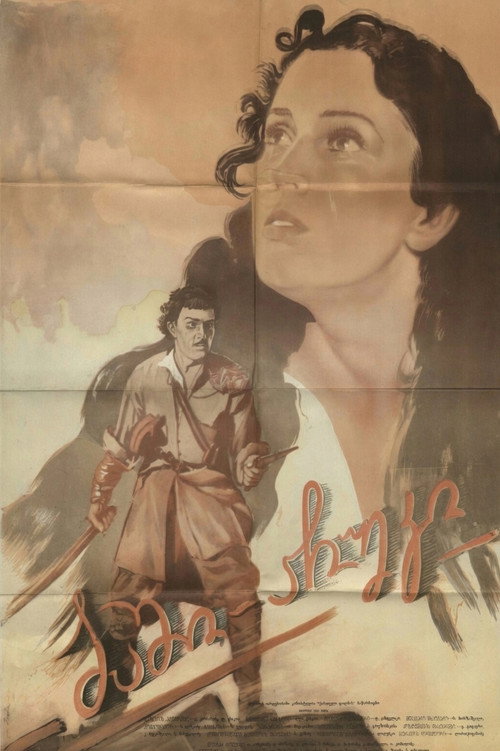
Ballad of a Hussar
1963
No user ratings available yet
Representation score: 5.7 out of 10
Representation Score
Good
1960
Director
Rezo Chkheidze
Runtime
94 minutes
Average Rating
No ratings yetNew Showbiz Analysis
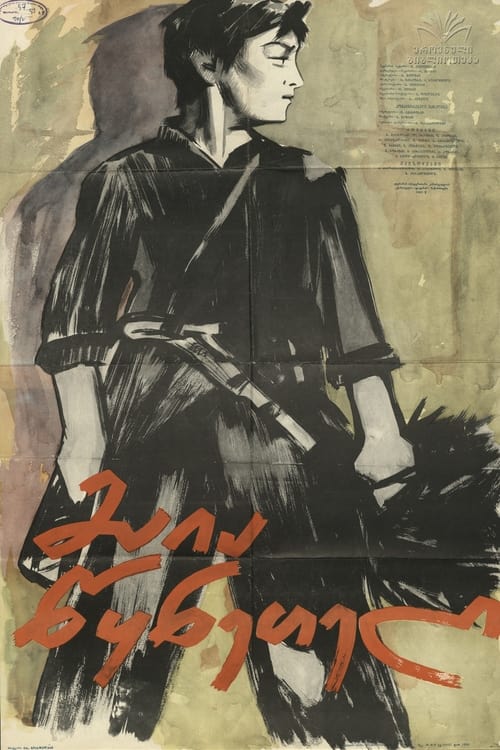
Maia Tskneteli stands out for its subversion of gender roles through a protagonist who asserts herself in a male-dominated conflict. This provides a progressive counterpoint to 1960s cinematic conventions. However, the film remains anchored in a specific Georgian cultural context, focusing on traditional village life and community cohesion. It does not engage with broader multi-layered or systemic critiques. Ultimately, while Maia's character provides meaningful representation, the film lacks diversity in terms of LGBTQ+ identity, disability, and multi-ethnic perspectives.
Category Breakdown
The film does not include explicit LGBTQ+ characters or explore non-straight identities. The protagonist uses cross-dressing as a survival tactic, but this does not delve into queer identity.
Maia challenges traditional gender roles by adopting a male persona to confront her enemies. Her active role and physical strength defy the passive expectations of women in her society.
The cast reflects a specific Georgian cultural context, offering a strong ethnic identity but lacking the multi-ethnic diversity seen in contemporary films.
The story centers on traditional village life and social structures. It emphasizes community cohesion without questioning these foundational institutions.
There are no characters with visible or invisible disabilities. Characters are primarily defined by their social roles and romantic relationships.
Present on Screen
Limited or Absent
Official Synopsis
A young girl named Maia disguises herself as a boy in order to fight against the enemies of her country.
1963
1983
1964
2010

2020
2009
1956
1990
No reviews yet. Be the first to share your thoughts on this movie!
Use the rating form above to leave a star rating and optional review.