The Possession of David O'Reilly
2010
No user ratings available yet
Representation score: 2.5 out of 10
Representation Score
Fair
2010
Director
Toshikazu Nagae
Runtime
91 minutes
Average Rating
No ratings yetNew Showbiz Analysis
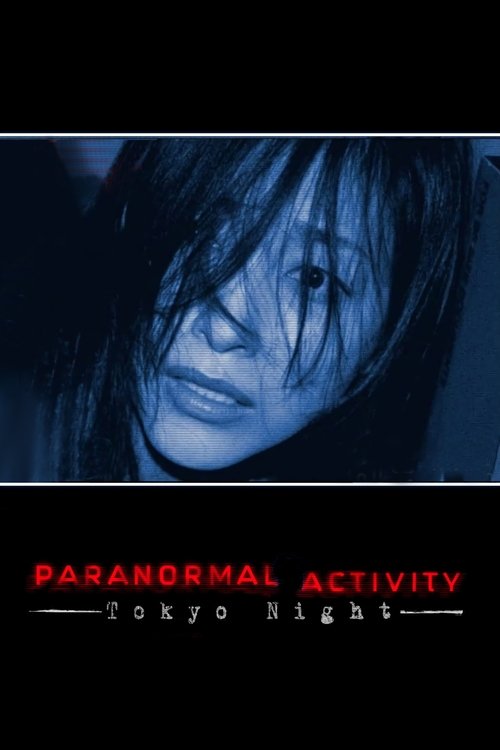
Paranormal Activity: Tokyo Night functions as a conventional genre piece that prioritizes localized, traditional domestic themes over social complexity. While it offers a minor shift in gender roles by placing a male in a caretaking position, the narrative remains tethered to established clichés of female frailty and homogeneous casting. The film lacks the necessary depth to engage with diverse identities or challenge existing social hierarchies. It relies on a standard supernatural framework that reinforces, rather than critiques, traditional family structures and cultural norms.
Category Breakdown
The film centers on a sibling relationship and does not include any visible LGBTQ+ characters. It does not explore non-straight identities or challenge assumptions about straight relationships.
Koichi serves as a male caretaker, which slightly subverts aggressive masculine clichés. However, the female character is primarily defined by her vulnerability and illness.
As a localized Japanese production, the cast is culturally homogeneous. It avoids Western-centric casting but does not pursue diverse racial representation.
The story reinforces traditional familial bonds through its focus on domestic caretaking. It operates within a standard supernatural framework without significant cultural critique.
A female character's illness drives the plot, but her condition may serve more as a horror catalyst than a nuanced portrayal of health struggles.
Present on Screen
Limited or Absent
Official Synopsis
Koichi takes care of his sister, who has recently returned from a trip abroad in the United States as she is not well. While caring for her, he records evidence of ghosts in their home.
2010
2003
2007

2000
2012
2015

2013
2011
No reviews yet. Be the first to share your thoughts on this movie!
Use the rating form above to leave a star rating and optional review.