
Lovers & Leavers
2002
No user ratings available yet
Representation score: 4.9 out of 10
Representation Score
Fair
1992
UnratedDirector
Temístocles López
Runtime
107 minutes
Average Rating
No ratings yetNew Showbiz Analysis
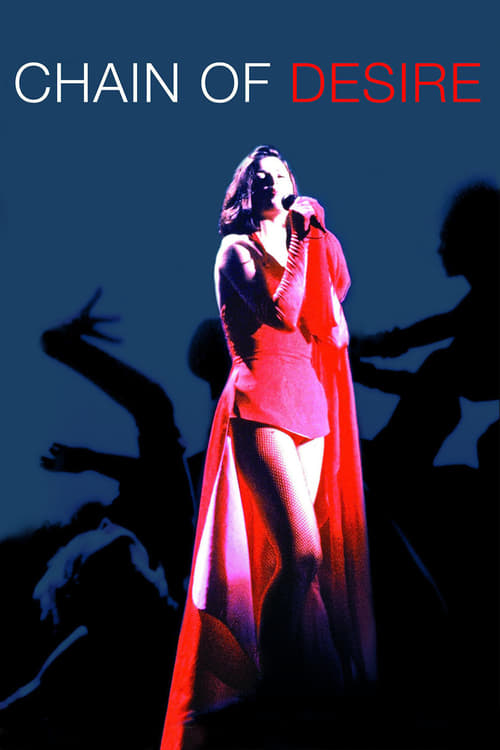
Chain of Desire disrupts social and moral certainties through an interconnected ensemble. It challenges the stability of conventional Western structures via themes of infidelity and non-traditional power dynamics. The film dismantles traditional family structures and religious sanctity, presenting a morally complex world. It moves away from traditional archetypes towards a more fluid exploration of human impulses. While the film offers moderate racial inclusion and explores sexual fluidity, it lacks a deep focus on specific identity politics or disability representation. Its strength lies in its structural subversion of social norms.
Category Breakdown
The film explores sexual fluidity and non-traditional relationships. It challenges assumptions about heterosexual relationships through interactions like Hubert's encounter with Keith, but it doesn't center around a specific LGBTQ+ identity.
Female characters like Alma and Linda play significant roles, reclaiming sexual power and breaking traditional gender roles and submissive stereotypes.
The cast includes diverse actors like Assumpta Serna and Elias Koteas. However, the narrative emphasizes personal desires rather than making race or non-Anglo-Saxon perspectives a central theme.
The film critiques traditional Western institutions by using a church as a setting for sexual encounters. It promotes moral relativism and situational ethics over strict religious morality.
There is no indication of physical or neurodivergent disabilities among the characters described.
Present on Screen
Limited or Absent
Official Synopsis
A series of unrelated amorous lovers are connected by a chain of desire.
2002

1950
1997

1966

1989

1986

1998

1998
No reviews yet. Be the first to share your thoughts on this movie!
Use the rating form above to leave a star rating and optional review.