
Take It Out in Trade: The Outtakes
1995
No user ratings available yet
Representation score: 3.6 out of 10
Representation Score
Limited
2001
Director
Paul A. Kaufman
Runtime
100 minutes
Average Rating
No ratings yetNew Showbiz Analysis
This docudrama serves as a historical preservation of a mid-century television property. Using reenactments and interviews to celebrate the legacy of the original cast, the film reinforces the social hierarchies and demographic norms of the 1960s. The production prioritizes nostalgia and the mechanics of the television industry over contemporary sociopolitical frameworks. Consequently, the narrative structure remains tied to the traditional archetypes set by the original source material.
Category Breakdown
The film follows the original sitcom's archetypes closely. There is no indication of non-binary gender identities or same-sex relationships in the reenactments or interviews.
Gender roles in the film reflect those of the 1960s. Female characters are central but fit traditional stereotypes like the glamorous starlet and the wholesome girl next door.
The cast is primarily white, mirroring the original series' homogeneous demographic. The film upholds the era's social constraints and lack of racial diversity.
The film highlights the cultural impact of a quintessential American property. It focuses on traditional socioeconomic archetypes without challenging systemic oppression.
The film does not significantly address neurodivergence or physical disabilities. Characters are portrayed through comedic archetypes without highlighting specific lived experiences of disability.
Present on Screen
Limited or Absent
Official Synopsis
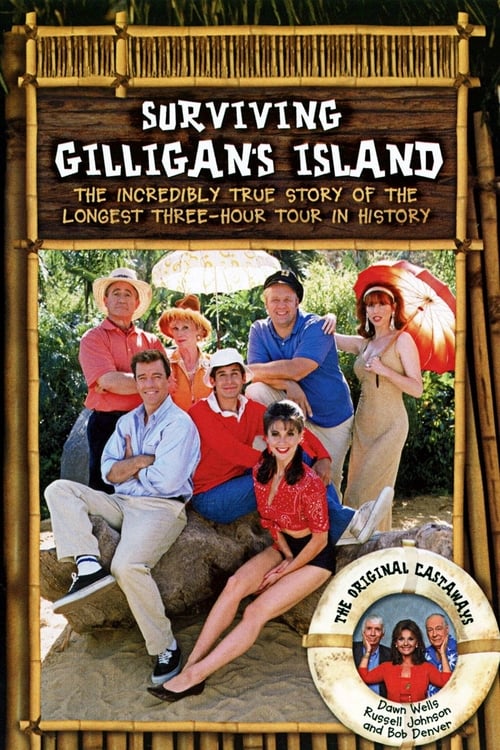
A campy look at the making of the 1964-67 TV series, as told by stars Bob Denver, Dawn Wells and Russell Johnson, as well as in flashbacks (actors play the castaways). Bob/Gilligan: Jon Wellner. Dawn/Mary Ann: Samantha Harris. Tina/Ginger: Kristen Dalton. Alan/Skipper: Eric Allan Kramer. Russell/Professor: Michael Wiseman. Jim/Mr. Howell: Steve Vinovich. Natalie/Mrs. Howell: E.J. Peaker. Sherwood Schwartz: Aaron Lustig.
1995

1979
1978
2004
1998

2005

2005

2003
No reviews yet. Be the first to share your thoughts on this movie!
Use the rating form above to leave a star rating and optional review.