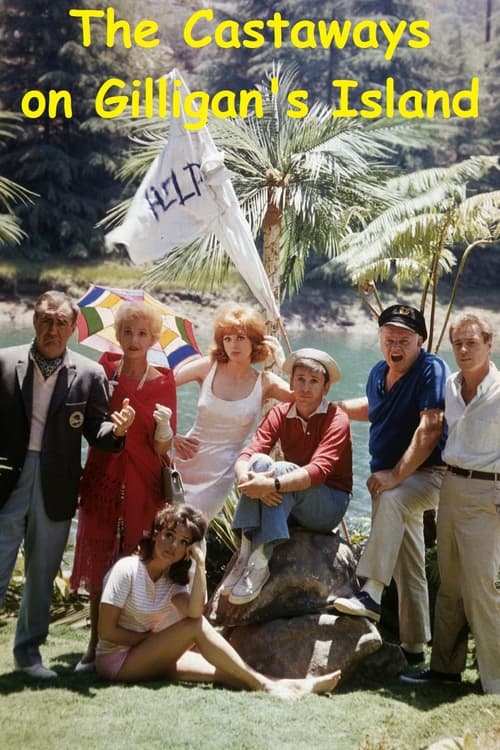
The Castaways on Gilligan's Island
1979
No user ratings available yet
Representation score: 0.9 out of 10
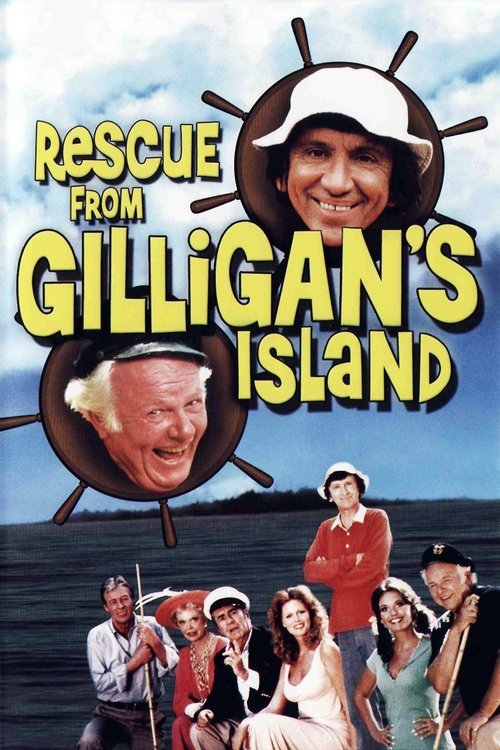
Representation Score
Minimal
1978
Not RatedDirector
Leslie H. Martinson
Runtime
95 minutes
Average Rating
No ratings yetNew Showbiz Analysis
Rescue from Gilligan's Island preserves the status quo of the original series. It avoids questioning social hierarchies and instead leans on established archetypes and traditional media structures. The film relies heavily on mid-20th century social norms, presenting a world where gender roles and racial demographics are static. This results in a narrative focused on escapism rather than representation. Overall, the production exemplifies traditionalist television, maintaining the conventional demographic and cultural boundaries of its era.
Category Breakdown
The film follows traditional heterosexual relationships, with no indication of any LGBTQ+ identities or experiences. Characters are shown in strictly heterosexual pairings, such as the marriage of the Howells.
Women in the film are portrayed in stereotypical roles, such as the 'girl next door' or 'glamour girl.' Male characters take on leadership and problem-solving roles, while female characters have fewer opportunities for similar responsibilities.
The cast is made up entirely of white actors, with no representation of diverse racial backgrounds. The story does not explore the experiences of non-white characters or communities.
The film upholds Western social norms and capitalist ideals through the characters of the Howells. It presents a lighthearted, traditional worldview without challenging systemic issues.
There are no characters with visible or invisible disabilities in the film. The story does not address themes related to neurodivergence or physical and mental health challenges.
Present on Screen
Limited or Absent
Official Synopsis
When a decaying Russian satellite crashes on the island, the Professor uses a key component for a barometer. With that device, he learns that a massive wave is going to swamp the island. In desperation, the castaways lash their huts together into one structure in order to have any chance to ride the disaster out.
1979
1965

1997

2013

2004
1966
2001
1992
No reviews yet. Be the first to share your thoughts on this movie!
Use the rating form above to leave a star rating and optional review.