
Snow White and the Seven Dwarfs
1955
No user ratings available yet
Representation score: 1.1 out of 10
Representation Score
Minimal
1976
GDirector
Boris Rytsarev
Runtime
89 minutes
Average Rating
No ratings yetNew Showbiz Analysis
This animated adaptation of the Hans Christian Andersen tale functions as a conservative narrative construction. It adheres closely to traditionalist archetypes, prioritizing a linear, moralistic progression centered on the validation of aristocratic lineage. The film reinforces established social hierarchies and traditional romantic structures. Rather than disrupting conventional expectations, it opts for a faithful, traditionalist interpretation of the source material that validates the importance of courtship and royal status. While the protagonist's physical sensitivity offers a potential lens for sensory neurodivergence, the film utilizes this trait primarily as a tool for social distinction rather than meaningful character development.
Category Breakdown
The film operates within a strictly straight-centered framework. The plot focuses entirely on the Prince's search for a matrimonial partner, offering no queer subtext or non-cisgender identities.
Traditional gender hierarchies dominate the narrative. The Prince acts as the primary agent of the plot, while the female lead's role is defined by her suitability as a royal consort.
The visual language is rooted in a homogeneous, European-coded aristocratic setting. There is no evidence of racial blending or the use of diverse species to represent ethnic plurality.
The story emphasizes the sanctity of monarchy and social hierarchies. It celebrates the stability of royal institutions and the fulfillment of traditional social roles.
The princess's extreme physical sensitivity functions as a plot device to prove nobility. It serves social stratification rather than exploring the lived experience of neurodivergence or disability.
Present on Screen
Limited or Absent
Official Synopsis
In one of the realms, there was time for the prince to get married, but the bride would have to be a real princess. A sign was put up on the gates: “ A Princess Wanted”. But in response to it there appeared only a small girl, wet to the bones after the rain and bearing no resemblance to nobility. So the prince was obliged to venture off to other lands in search of a suitable match. Henceforth the prince’s adventures unfold. In one kingdom, he met a fat king, in another – a hospitable king. He also visited the kingdom of arts. He saw enough princesses, beautiful and clever. And yet, the real princess, the only one he longed for, proved to be the girl who had knocked at their door during a rainstorm…
1955
1970
1955
1965
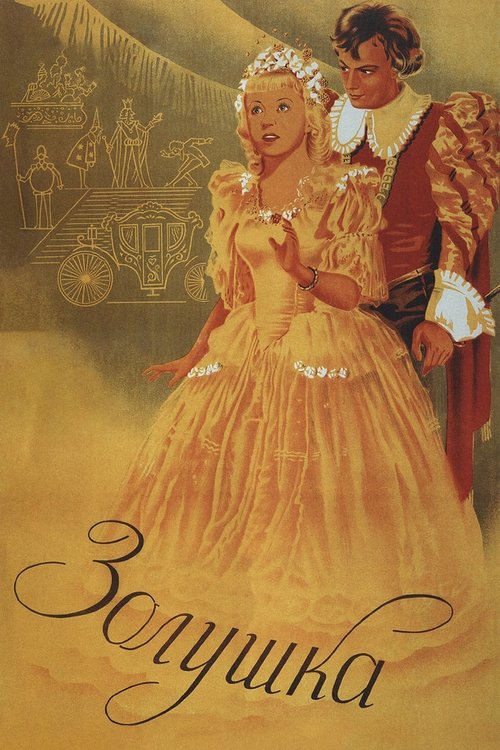
1947
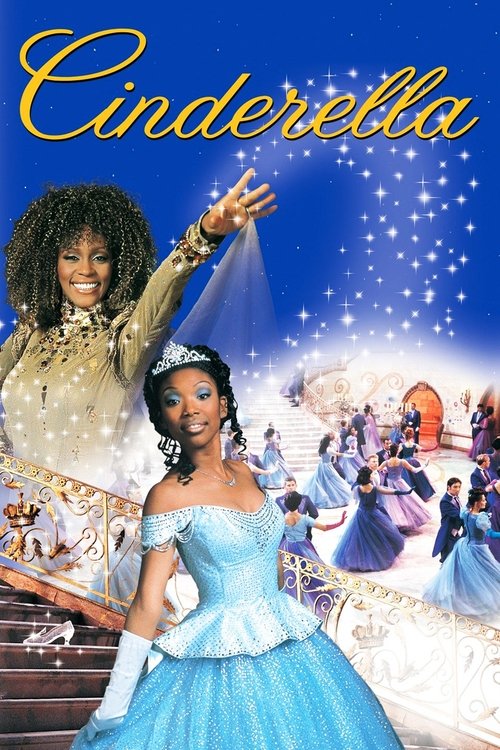
1997
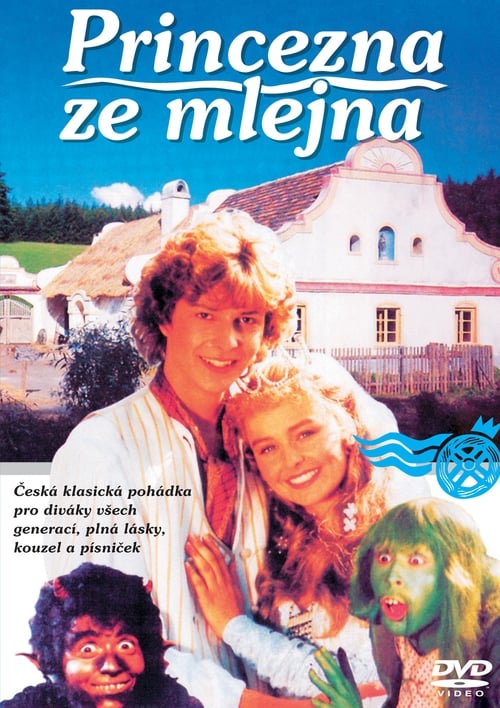
1994
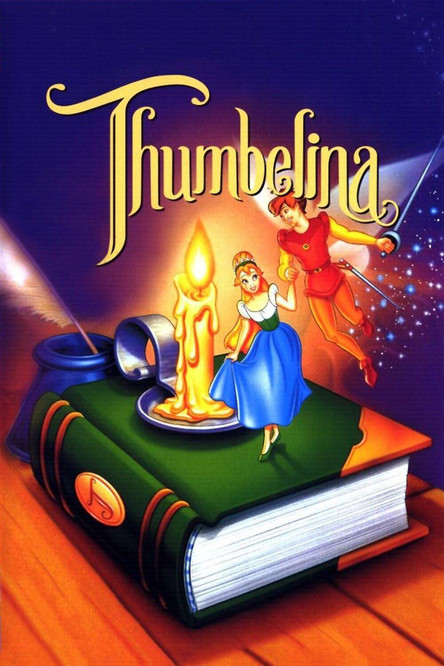
1994
No reviews yet. Be the first to share your thoughts on this movie!
Use the rating form above to leave a star rating and optional review.