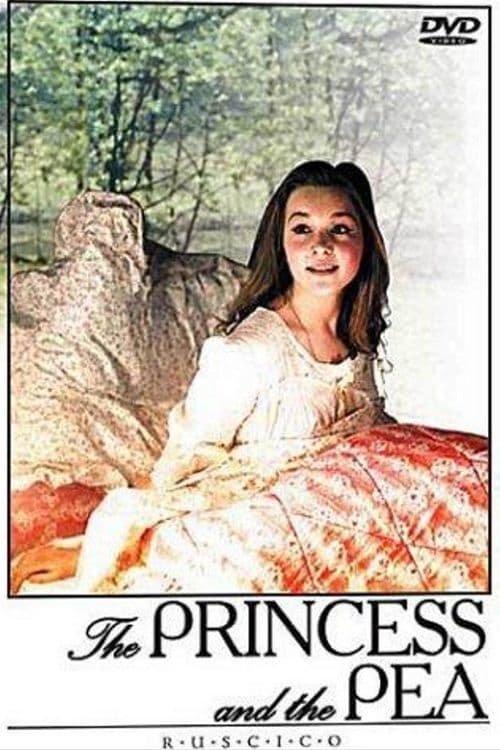
The Princess and the Pea
1976
No user ratings available yet
Representation score: 1.8 out of 10
Representation Score
Minimal
1955
UnratedDirector
Erich Kobler
Runtime
76 minutes
Average Rating
No ratings yetNew Showbiz Analysis
This 1955 production preserves classical, straight-centered, and Western-centric storytelling. It relies heavily on established folklore archetypes and mid-century European cinematic conventions. The narrative structure reinforces traditional hierarchies. Gender roles are polarized between the victimized protagonist and the villainous Queen, while the resolution depends on men's control over the story. Ultimately, the film lacks the intentionality to disrupt social clichés, instead upholding a singular, traditional moral structure common to the era.
Category Breakdown
The story follows a conventional trajectory focused on the romantic pairing of Snow White and Prince Charming without exploring non-binary or transgender identities.
Gender roles are reinforced through traditional stereotypes. The Queen embodies negative vanity, while the male Prince Charming resolves the conflict with his ability to act.
The film reflects a homogeneous Western European demographic typical of mid-century Germanic folklore. There is no indication of diverse racial or ethnic identities.
The narrative adheres to classical Western moralism and monarchical structures. It reinforces traditional family stability without exploring secular or diverse cultural perspectives.
The Seven Dwarfs are central to the plot, but their portrayal remains unclear. They risk serving as mere plot devices or caricatures rather than nuanced characters.
Present on Screen
Limited or Absent
Official Synopsis
Snow White's mother, the Queen dies when she is born. Her father, the King, remarries a beautiful but vain lady. The new Queen has a magic mirror that she asks every day, who is the fairest one of all? When it answers Snow White, the Queen is furious. Will handsome Prince Charming and the Seven Dwarfs be able to save Snow White from the wicked Queen's wrath?
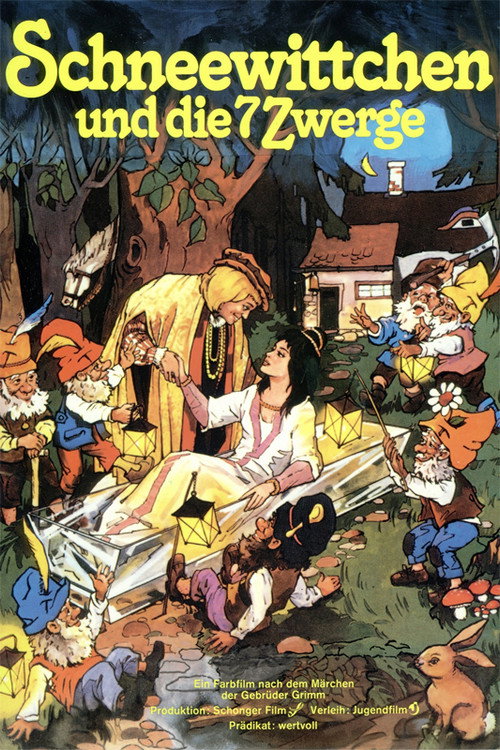
1976
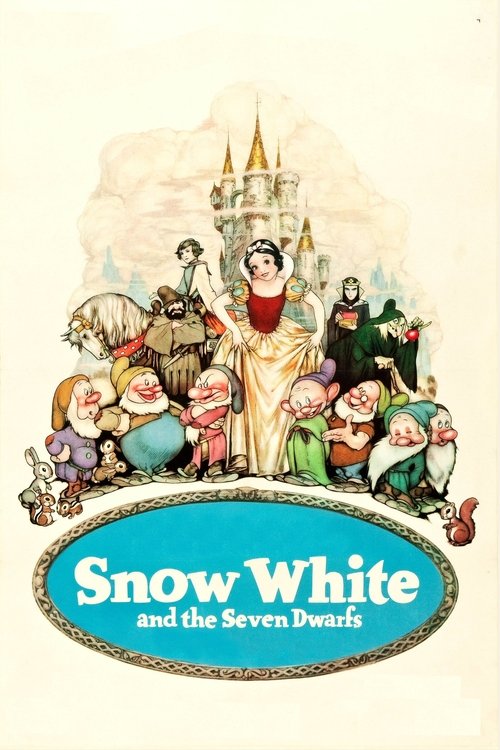
1938
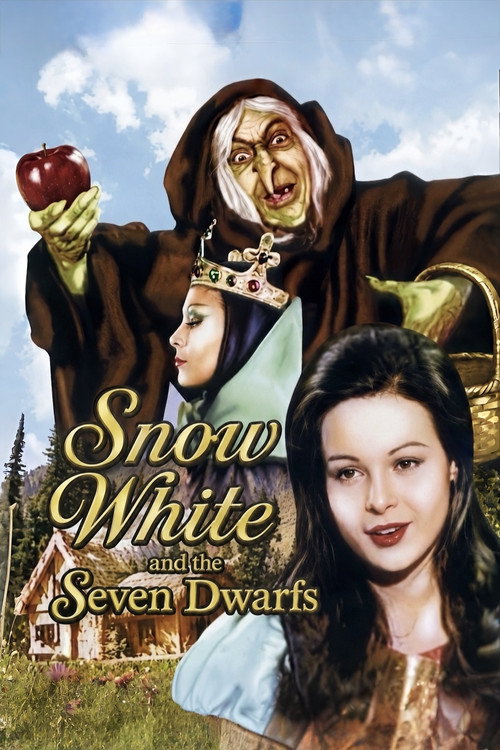
1971
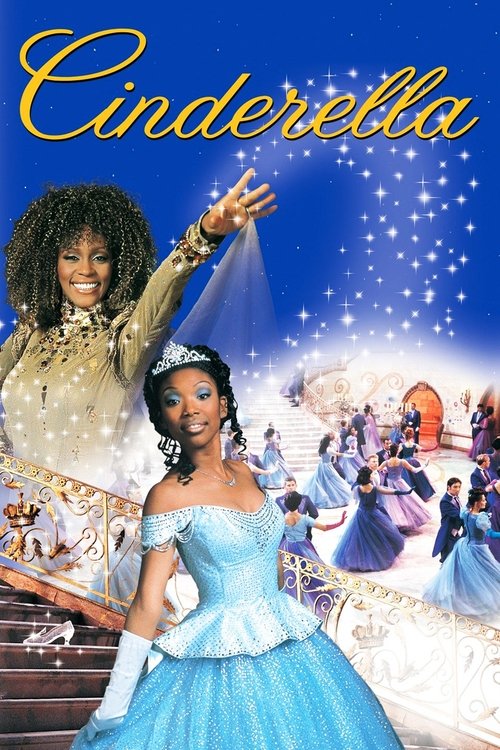
1997
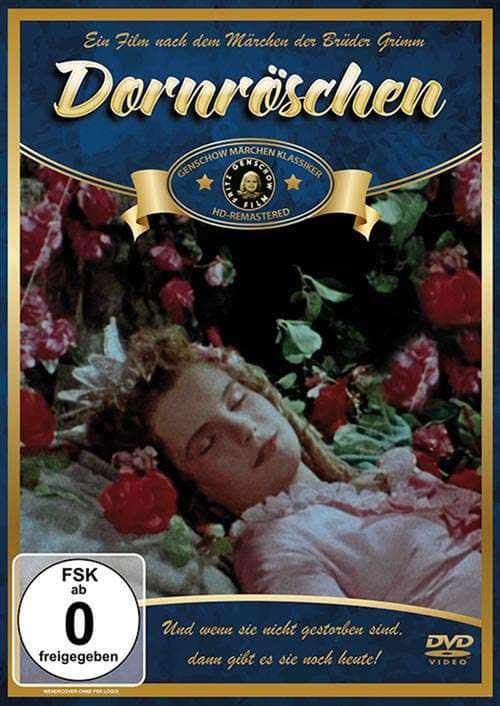
1955

1959
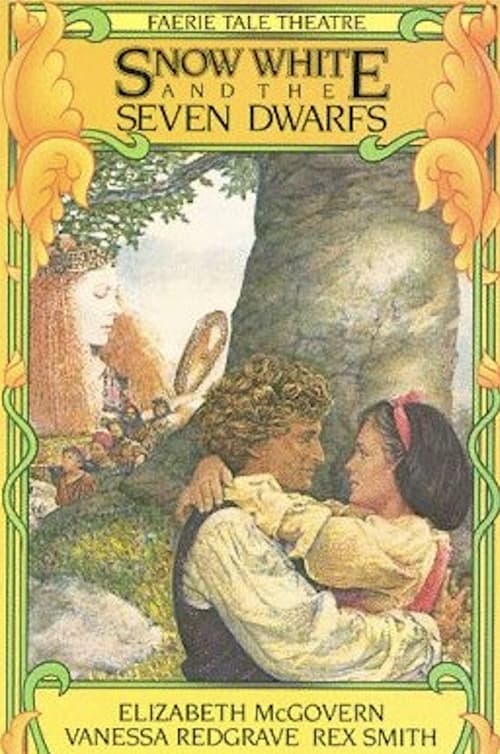
1984
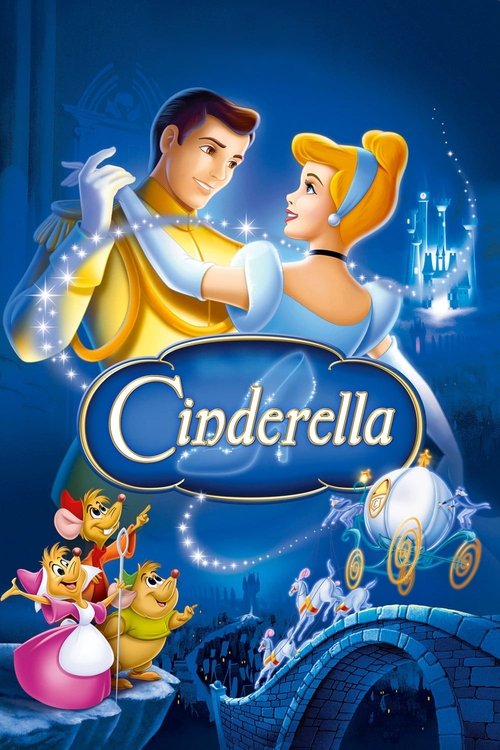
1950
No reviews yet. Be the first to share your thoughts on this movie!
Use the rating form above to leave a star rating and optional review.