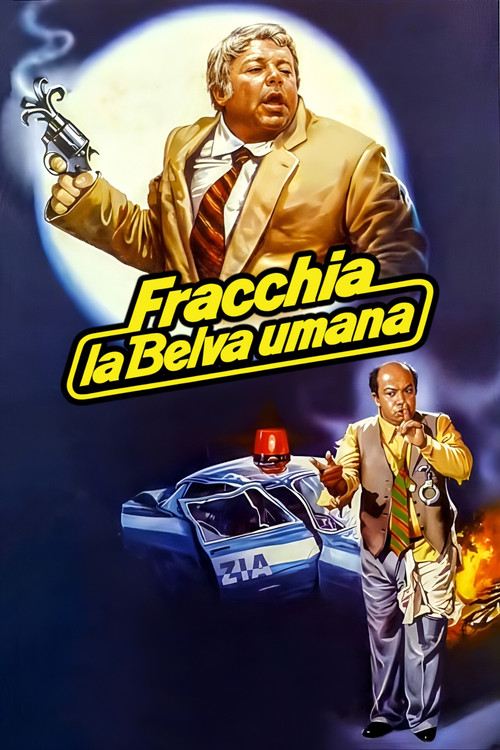
Fracchia The Human Beast
1981
No user ratings available yet
Representation score: 4.0 out of 10

Representation Score
Limited
1964
Director
Steno
Runtime
96 minutes
Average Rating
No ratings yetNew Showbiz Analysis
A Monster and a Half is a mid-century Italian comedy that relies on traditional clichés of mistaken identity and physical transformation. The plot follows a thief whose appearance changes due to a doctor’s intervention, using physical alterations as a source of humor. The film sticks to the conventional comedic archetypes of the bk60s. It does not aim to disrupt social hierarchies or provide complex, multi-layered representation, focusing instead on individual circumstances. Given that the film was made before modern frameworks of identity politics, it reinforces the standard social structures of its time. The narrative remains centered on a narrow, male-driven conflict.
Category Breakdown
The film does not include any characters with non-cisgender identities or same-sex relationships. The story revolves around a thief and a doctor, reflecting a traditional focus on heterosexual relationships.
The narrative centers on a male-dominated conflict between two main characters. Women do not have prominent roles or opportunities to challenge traditional gender hierarchies.
The film likely features a predominantly white cast typical of 1964 Italian cinema. There are no non-white characters or casting choices that challenge societal norms.
The film focuses on the personal struggles of individual characters rather than critiquing broader societal structures or cultural frameworks.
Plastic surgery is used as a comedic element for identity confusion rather than a means for characters to assert their ability to act. There are no representations of neurodivergent or physically disabled individuals.
Present on Screen
Limited or Absent
Official Synopsis
A thief steals a suitcase but it contains a corpse and the thief is sentenced, but is released by the robbed doctor, who then subjects him to a facial plastic that makes him equal to a criminal.
1981
1964
1968
1994
1971
2024
1962

2022
No reviews yet. Be the first to share your thoughts on this movie!
Use the rating form above to leave a star rating and optional review.