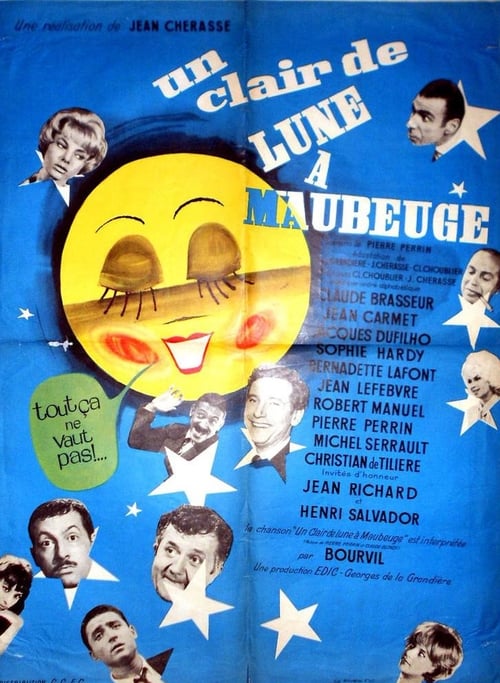
Un clair de Lune à Maubeuge
1962
No user ratings available yet
Representation score: 1.8 out of 10
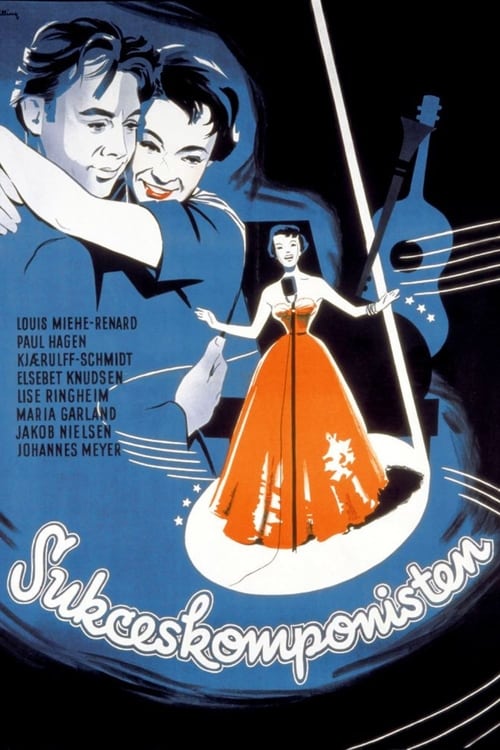
Representation Score
Minimal
1954
Director
Peer Guldbrandsen
Average Rating
No ratings yetNew Showbiz Analysis
Sukceskomponisten is a traditional mid-century comedy that adheres strictly to the social and demographic constraints of 1954 Scandinavia. The narrative focuses on professional achievement and social placement within established institutional frameworks. The film lacks complexity in its portrayal of diverse identities, reinforcing traditional hierarchies rather than challenging them. It presents a highly homogeneous social environment centered on male professional merit. Because the story functions as a reinforcement of mid-century norms, it offers very little in the way of diverse or progressive representation.
Category Breakdown
The film follows a conventional trajectory that assumes everyone is straight or cisgender. There is no evidence of diverse gender identities or same-sex relationships.
The story centers on the professional success of a male protagonist. A female character is mentioned, but her role is defined by her relationship to a patriarchal figure.
The setting reflects the demographic norms of mid-century Scandinavia. There is no indication of racial or ethnic diversity within the social strata described.
The plot reinforces the stability of Western institutions like the Conservatory and Parish Council. It focuses on meritocratic achievement within established social hierarchies.
There is no information available regarding the depiction of physical or neurodivergent characters in this work.
Present on Screen
Limited or Absent
Official Synopsis
At the Copenhagen Conservatory of Music, Mogens Birk passes his organ exam with distinction. Together with his brother Steen Birk, he has supported himself during his studies by playing in the city's small taverns. Editor Jepsen from Bollerupager attends the exam, with a view to hiring a new organist for the city. At the parish council meeting, Consul Møller's daughter Kirsten, who was educated in Paris, is nominated, but Jepsen has Mogens as his candidate for the position, and he gets the job.
1962
2015

1942

2004
1953
1962
1941

1939
No reviews yet. Be the first to share your thoughts on this movie!
Use the rating form above to leave a star rating and optional review.