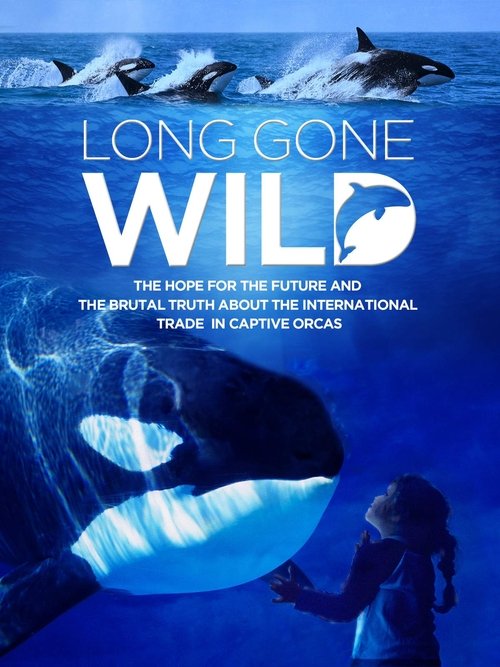
Long Gone Wild
2019
No user ratings available yet
Representation score: 2.0 out of 10

Representation Score
Minimal
2003
Director
Timothy Gorski
Runtime
56 minutes
Average Rating
No ratings yetNew Showbiz Analysis
Lolita: Slave to Entertainment is a grassroots documentary that prioritizes systemic critique over traditional human-centric demographic representation. It functions as an investigation into the ethics of the marine theme park industry, specifically the Miami Seaquarium. The film's strength lies in its cultural perspective, using an anti-capitalist framework to challenge institutional narratives. It recontextualizes commercial spectacle as a site of systemic injustice and institutionalized oppression. However, the documentary lacks representation across most human social categories. Because the narrative is centered on animal rights and corporate deconstruction, it provides no meaningful engagement with LGBTQ+, racial, gender, or disability-related themes.
Category Breakdown
The documentary focuses on animal rights and industrial critique. It does not include any characters or themes related to LGBTQ+ identities.
The subject matter centers on marine biology and corporate ethics. There is no exploration of gender hierarchies or gendered power dynamics.
The film's primary focus is the relationship between humans and non-human species. No information is available about the racial makeup of the cast or interviewees.
The film adopts an anti-capitalist lens by critiquing the commodification of life. It deconstructs corporate authority and challenges the ethics of dominant economic structures.
There is no evidence suggesting neurodivergence, physical disabilities, or mental health conditions are central themes or represented through specific character arcs.
Present on Screen
Limited or Absent
Official Synopsis
The grassroots independent documentary about Miami's biggest performer, Lolita the killer whale on display at the Miami Seaquarium. Through rare interviews and undercover footage viewers are dragged into the dark secrets of the multi-billion-dollar marine theme park industry and the life of Lolita who's been caught in a net of lies for 3 decades.
2019
2013
2017
1978
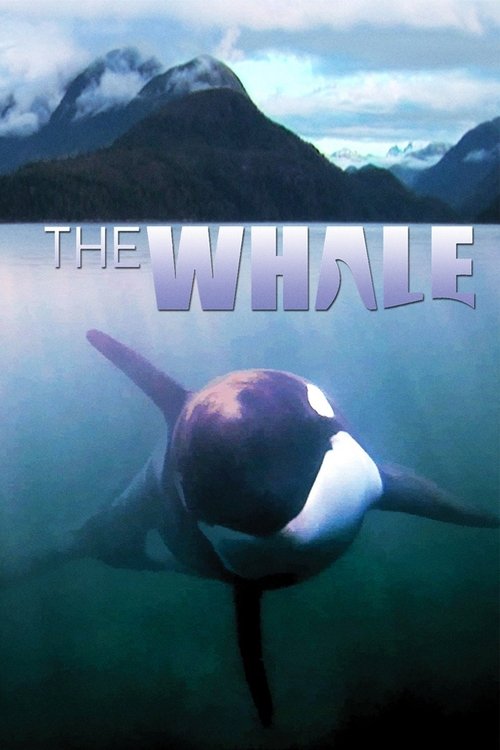
2011
2005

2010

2017
No reviews yet. Be the first to share your thoughts on this movie!
Use the rating form above to leave a star rating and optional review.