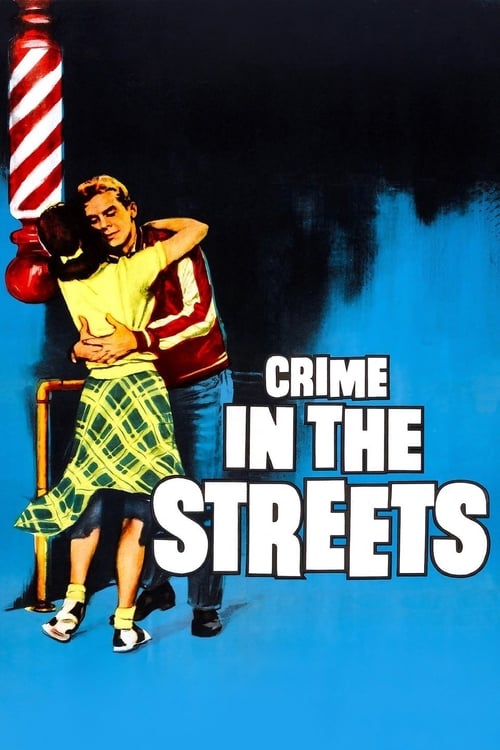
Crime in the Streets
1956
No user ratings available yet
Representation score: 2.4 out of 10
Representation Score
Minimal
1959
NRDirector
Edward L. Cahn
Runtime
71 minutes
Average Rating
No ratings yetNew Showbiz Analysis
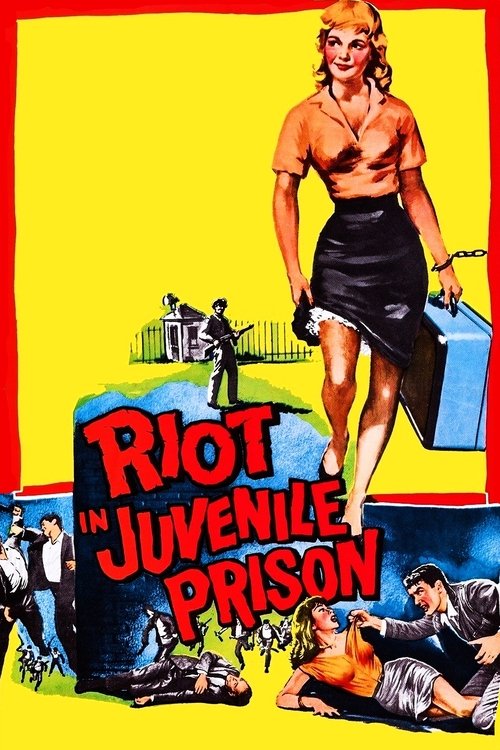
Riot in Juvenile Prison is a product of its era, functioning as a genre-driven social drama. While it engages with the 'social problem' film tradition by scrutinizing institutional structures, it does so through a very narrow demographic lens. The film's strength lies in its willingness to question the competence of authority figures, introducing a level of moral tension regarding state power. However, the film fails to provide depth across different aspects of identity, keeping the narrative confined to a homogeneous, male-dominated perspective that lacks broader social representation.
Category Breakdown
The film operates within a strictly straight-centered framework. There are no depictions of non-traditional gender identities or same-sex relationships within the correctional setting.
The narrative is almost entirely male-centric, focusing on masculine conflict between inmates and authority. Female perspectives are excluded, offering no subversion of traditional gender hierarchies.
The cast is predominantly white, reflecting the standard casting practices of 1959. It lacks a diverse ethnic ensemble to represent a broader social landscape.
The film provides a moderate critique of institutional authority and state benevolence. It introduces moral complexity by questioning whether rigid administration conflicts with individual justice.
There are no portrayals of physical, sensory, or neurodivergent disabilities. Characters are defined by their status as delinquents rather than any disability-related experience.
Present on Screen
Limited or Absent
Official Synopsis
When the shootings of two juvenile inmates bring public protest, a psychologist is brought in to see if he can do anything to control the problems peacefully.
1956
1938
1961
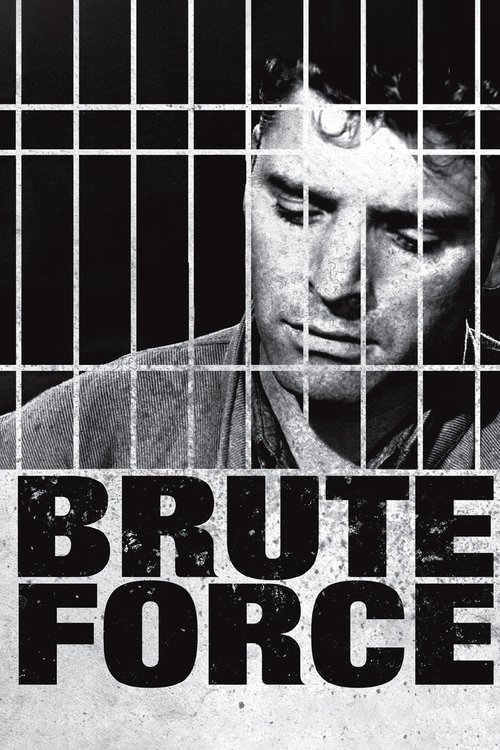
1947
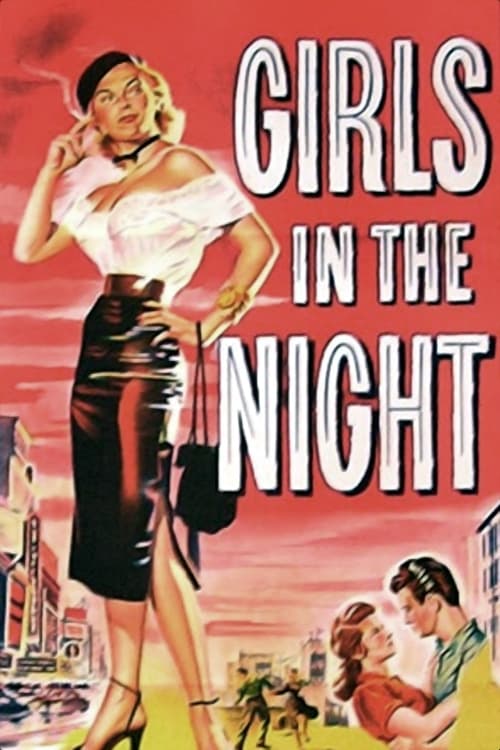
1953

1979
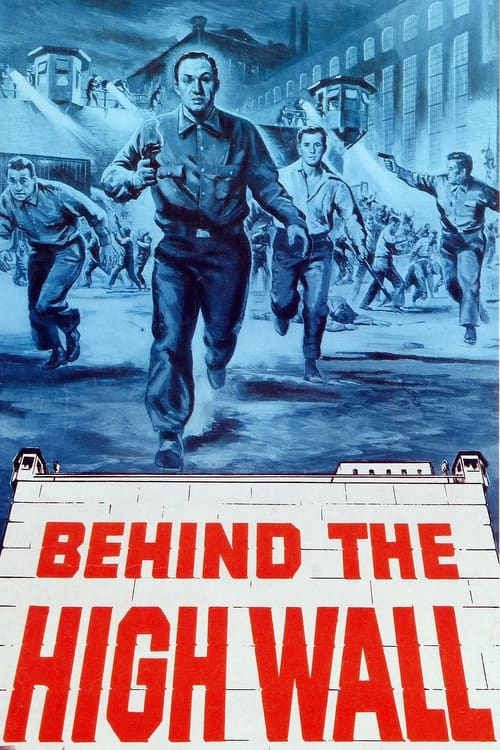
1956
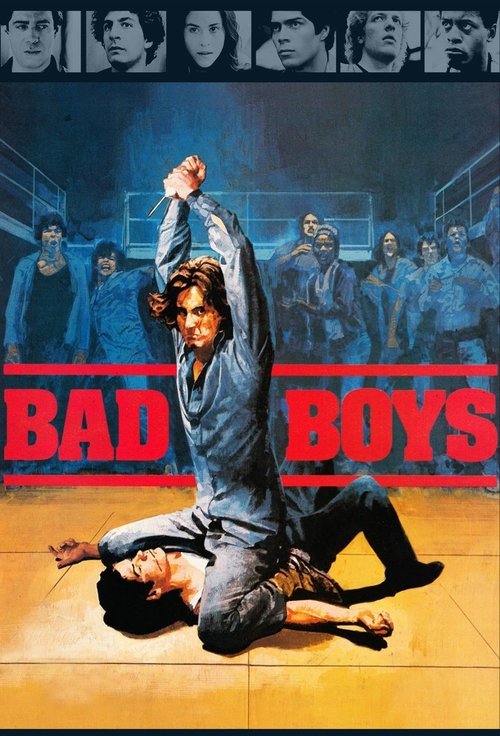
1983
No reviews yet. Be the first to share your thoughts on this movie!
Use the rating form above to leave a star rating and optional review.