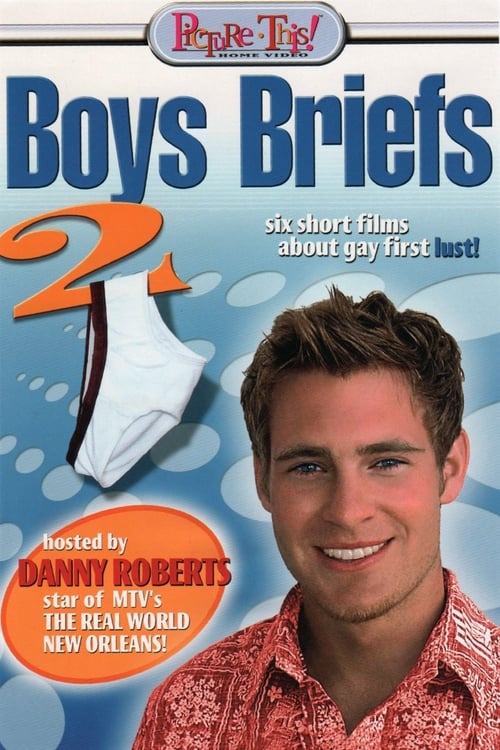
Boys Briefs 2
2002
No user ratings available yet
Representation score: 6.5 out of 10

Representation Score
Fair
2005
Director
Stewart Wade, Jorge Ameer, Javier Agirre Erauso, Aleques Eiterer
Runtime
91 minutes
Average Rating
No ratings yetNew Showbiz Analysis
This anthology film places queer perspectives at the center of its narrative, disrupting traditional storytelling patterns. By focusing on the interplay between different sexual orientations, it challenges established social hierarchies. The international directorial team brings a diverse, multicultural approach to masculinity, allowing for a multifaceted exploration of identity. However, there is no clear indication of disability representation in the film.
Category Breakdown
The film explores the lives of both gay and straight men, challenging traditional cinematic norms that often sideline queer characters. This focus highlights the intersections of different sexual orientations.
By examining straight men through a queer lens, the anthology questions traditional masculine stereotypes. This approach invites a deeper look at the rigidity of gender roles and expectations.
With directors from around the world, the film offers a multicultural perspective that goes beyond Anglo-centric views. This international team suggests a more nuanced understanding of masculinity across different cultures.
The film emphasizes personal experiences and individual truths rather than institutional narratives. This approach complicates traditional Western social structures related to relationships and identity.
There is no explicit evidence regarding the inclusion of characters with visible or invisible disabilities within the narrative.
Present on Screen
Limited or Absent
Official Synopsis
A collection of 7 shorts that explores the relationships between gay men and straight men. Includes: Coffee Date (2001); In the Name of the Father [Em Nome do Pai] (2002); Misguided Piss (2002); Popcorn & Coke (2004); Space 2 [Espacio 2] (2001); Truth or Dare [Verdade ou Consequência] (2002); Uninhibited (2004).
2002
2014

2013
2006

2018
2012
2018
2019
No reviews yet. Be the first to share your thoughts on this movie!
Use the rating form above to leave a star rating and optional review.