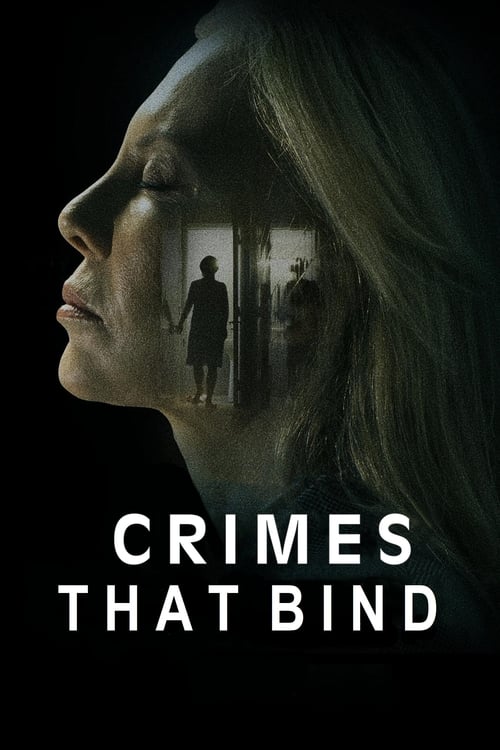
The Crimes That Bind
2020
No user ratings available yet
Representation score: 7.8 out of 10

Representation Score
Limited
2017
TV-MADirector
Grayson Moore, Aidan Shipley
Runtime
84 minutes
Average Rating
No ratings yetNew Showbiz Analysis
Cardinals is a character-driven psychological thriller that emphasizes themes of guilt, retribution, and trauma over demographic diversity. The narrative centers on the cycle of consequences stemming from a fatal drunk driving incident. Since the plot focuses on the specific interpersonal tension between a former inmate and a victim's relative, there is limited space for systemic or multi-layered commentary. The film follows traditional crime-drama formulas rather than using identity as a narrative driver. Overall, the film lacks explicit diverse representation, leading to a score reflecting a narrow focus on individual psychological tension.
Category Breakdown
The film does not include any LGBTQ+ characters or stories. The plot revolves around the conflict between Valerie and the victim's son.
Valerie is a key female character who plays a significant role in driving the story. However, it is unclear whether her portrayal challenges or reinforces traditional gender roles.
There is no information about the racial or ethnic makeup of the cast. The story focuses on individual psychological struggles rather than racial identity.
The story delves into personal responsibility and social reintegration. It adheres to a traditional morality focused on cause and effect rather than critiquing specific cultural or religious systems.
The synopsis does not mention any characters with physical, sensory, or neurodivergent disabilities.
Present on Screen
Limited or Absent
Official Synopsis
When Valerie returns home from prison years after killing her neighbour in an apparent drunk driving accident, she wants nothing more than to move on - until the deceased's son shows up at her door and it becomes clear that the past is not easily forgotten.
2020

2019

2017
2007
2017

2014

2020

2015
No reviews yet. Be the first to share your thoughts on this movie!
Use the rating form above to leave a star rating and optional review.