
Now More than Ever: The History of Chicago
2016
No user ratings available yet
Diversity score: 5.0 out of 10

2013
Director
Shaun Pettigrew
Average Rating
No ratings yetSynopsis
A music documentary exploring the turbulent, controversial and often unbelievable 30 year history of British post-punk industrial band Killing Joke.
Overall Score
Fair
Category Breakdown
LGBTQ+ Representation
The film captures the aesthetic fluidity of the post-punk era. However, it lacks documented, central LGBTQ+ agency or explicit queer narratives.
Gender Representation
The documentary explores a male-dominated band and genre. While it may deconstruct traditional masculine archetypes, specific instances of female agency remain unconfirmed.
Racial & Ethnic Diversity
The narrative focuses on a specific British musical lineage. There is no evidence of significant racial blending or non-Anglo-Saxon majority casting.
Religious & Cultural Diversity
The film excels by focusing on a genre rooted in systemic critique. It explores themes of alienation and the deconstruction of traditional Western institutions.
Disability Representation
There is no specific evidence regarding the portrayal of physical or neurodivergent disabilities within the documentary.
Strengths
Areas for Improvement
AI Analysis
The documentary serves as a cultural archive of the industrial music movement rather than a study of identity politics. Its value lies in its engagement with subcultures that challenge the status quo and traditional social hierarchies. While the film explores the friction between individuals and systemic structures, it lacks explicit demographic diversity. The narrative is dictated by the history of Killing Joke and the specific Western musical traditions they inhabit. Ultimately, the film prioritizes anti-establishment sentiments and the disruption of social norms over overt representation of marginalized groups.
2016

2014

2020
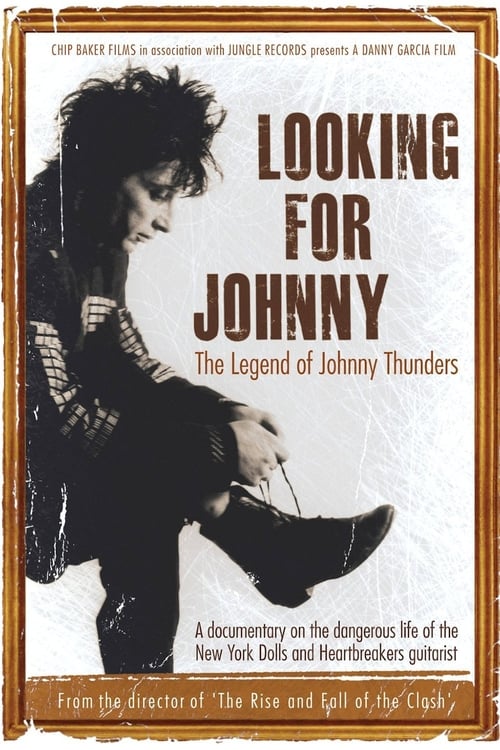
2014
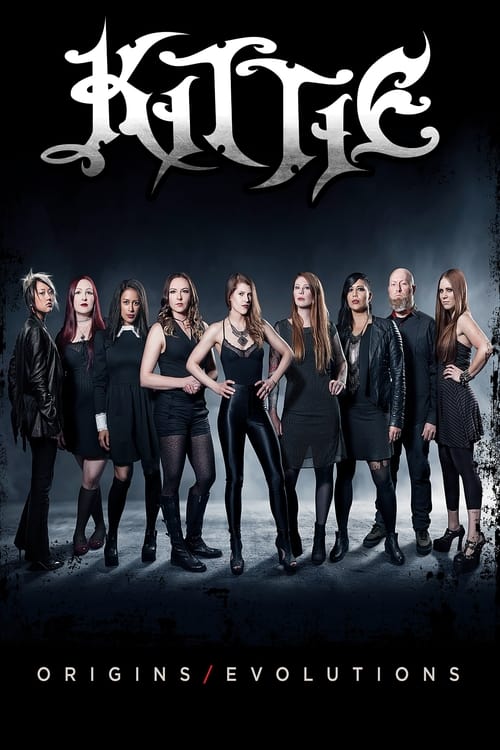
2018

2006

2013

2017
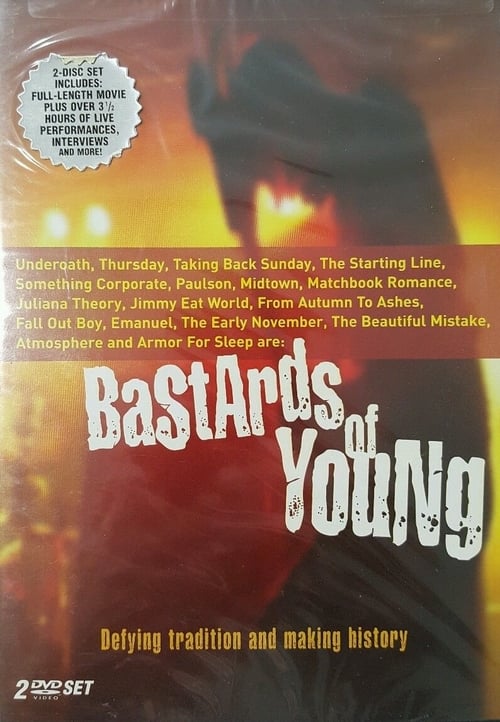
2005

2014
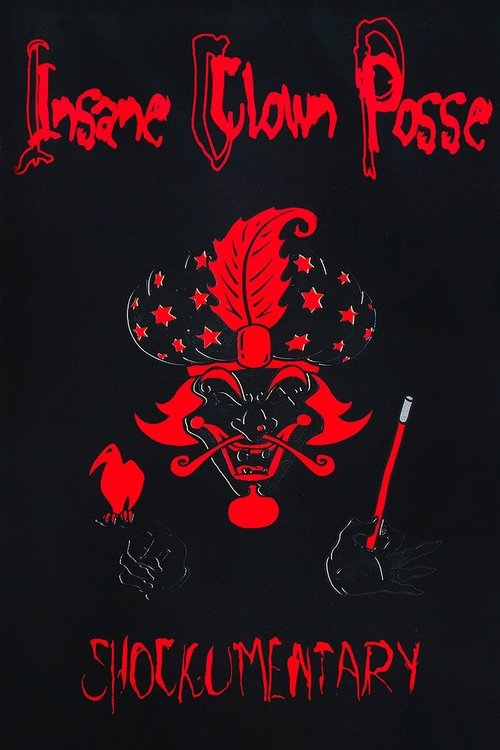
1997

2017
No reviews yet. Be the first to share your thoughts on this movie!
Use the rating form above to leave a star rating and optional review.