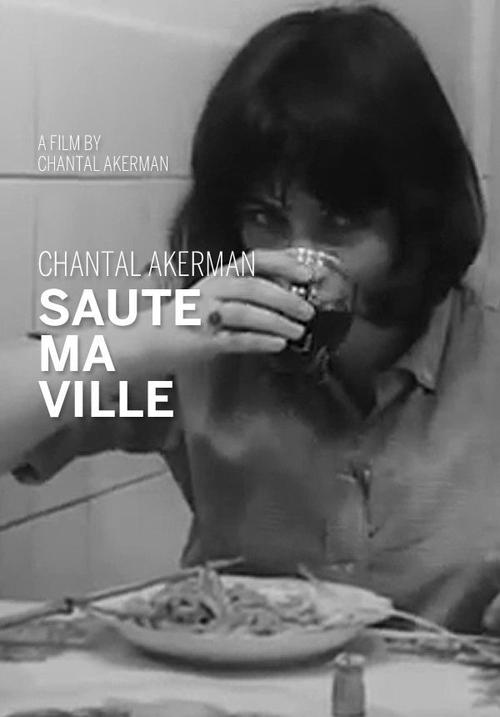
Saute ma ville
1968
No user ratings available yet
Representation score: 1.9 out of 10
Representation Score
Good
1983
Director
Chantal Akerman
Runtime
61 minutes
Average Rating
No ratings yetNew Showbiz Analysis
Chantal Akerman’s film is a minimalist, avant-garde study of domestic intrusion. It prioritizes sensory experience and psychological isolation over traditional narrative propulsion or demographic variety. The work challenges traditional gender roles by presenting the home as a fortress of solitude rather than a space for social cohesion. This offers a unique perspective on women's ability to drive the story. However, the film lacks overt representation of LGBTQ+ identities, racial diversity, or explicit disabilities. It remains a highly specialized, Eurocentric piece of formalist cinema focused on the individual's interiority.
Category Breakdown
The film does not explicitly depict LGBTQ+ identities or non-traditional romantic relationships. It focuses on the tension between two individuals within a traditional narrative structure.
The narrative challenges traditional gender roles by centering a woman's experience of psychological retreat. The hostess uses her home as a site of resistance rather than performing traditional social duties.
The film presents a homogeneous urban environment with no evidence of racial diversity. It adheres to a minimalist, Eurocentric aesthetic typical of 1980s Belgian cinema.
The work engages with postmodern critiques of urban alienation and monotony. It avoids religious morality, focusing instead on a secular, existentialist perspective on modern life.
No explicit physical or neurodivergent disabilities are identified. However, the film explores psychological fragility through its focus on sensory overload and domestic sounds.
Present on Screen
Limited or Absent
Official Synopsis
A sensitivity to sounds coming from the activities of an unwelcome guest in the close quarters of an apartment is only one important component in this atmospheric, avant-garde drollery by Chantal Akerman. When the apartment owner comes home, her guest is settled in and at first, the slightly reclusive host decides simply to eat her breakfast in her room instead of having to face morning conversation with her guest. Sounds of the toilet flushing, the bath water running and splashing, footsteps pacing, and furniture moving invade the hostess' refuge in her bedroom like the frontrunners of an all-out offensive. She locks herself up for 28 days, life's detritus accumulating around her, just so she does not have to go out to face the nemesis that lurks beyond her door.
1968
1976

1972

1962
1993

1973
1976
1984
No reviews yet. Be the first to share your thoughts on this movie!
Use the rating form above to leave a star rating and optional review.