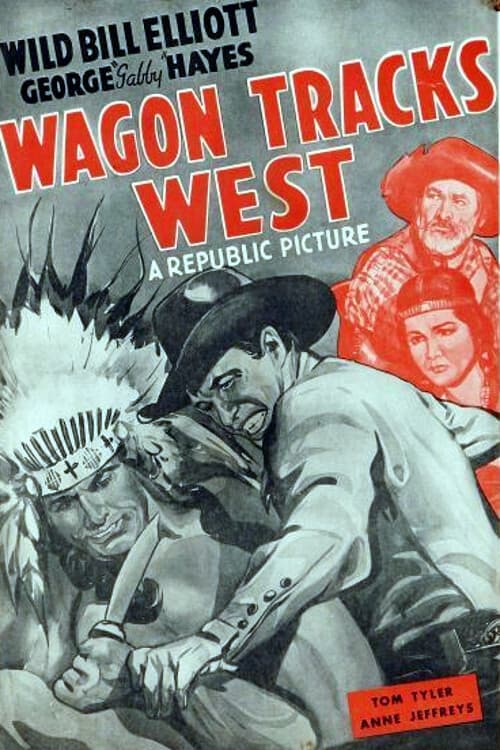
Wagon Tracks West
1943
No user ratings available yet
Representation score: 1.8 out of 10
Representation Score
Minimal
1943
NRDirector
Alan James
Runtime
59 minutes
Average Rating
No ratings yetNew Showbiz Analysis
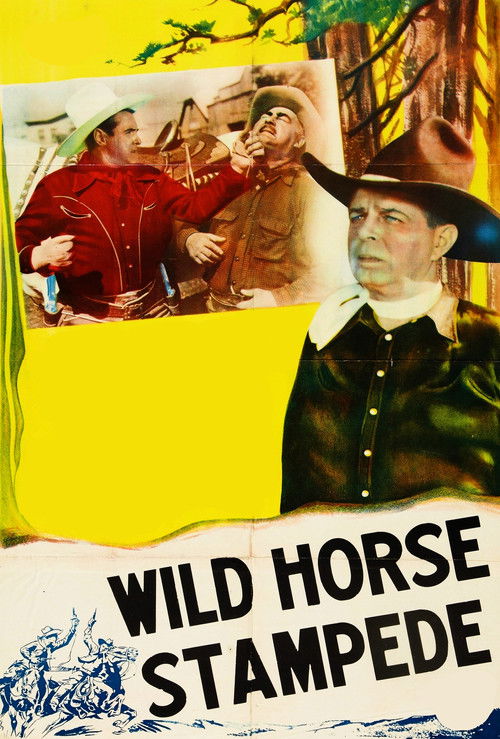
Wild Horse Stampede is a product of the 1940s studio system, operating within the rigid clichés of the Western genre. The film prioritizes a binary conflict model that reinforces established power dynamics rather than questioning them. The narrative architecture centers on the protection of industrial infrastructure against perceived external threats. This framework supports traditional expansionist values and maintains conventional social hierarchies. Ultimately, the film offers minimal representation of diverse identities. It functions as a standard genre piece that upholds the socio-cultural norms of its era.
Category Breakdown
The film follows strict conventions that assume everyone is straight or cisgender. There are no narratives that challenge traditional social structures.
The story centers on two cowboys, emphasizing rugged, patriarchal archetypes. Women have limited roles and appear to be relegated to secondary positions.
Indigenous populations are portrayed as antagonistic forces against railroad workers. This structure reinforces colonial narratives and sidelines non-white characters.
The plot focuses on defending Western industrial progress and the railroad. It aligns with traditional themes of Westward expansion and the status quo.
There is no mention of characters with visible or invisible disabilities in the narrative.
Present on Screen
Limited or Absent
Official Synopsis
Two cowboys try to protect railroad workers from rampaging Indians.
1943
1939
1936
1960
1933
1940
1939
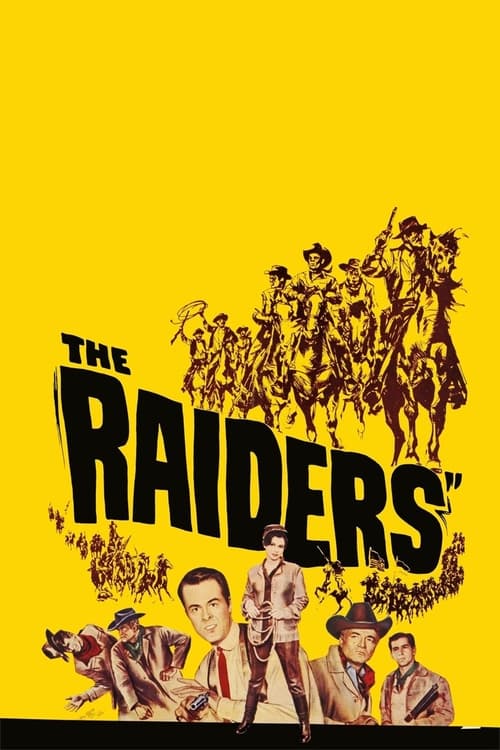
1963
No reviews yet. Be the first to share your thoughts on this movie!
Use the rating form above to leave a star rating and optional review.