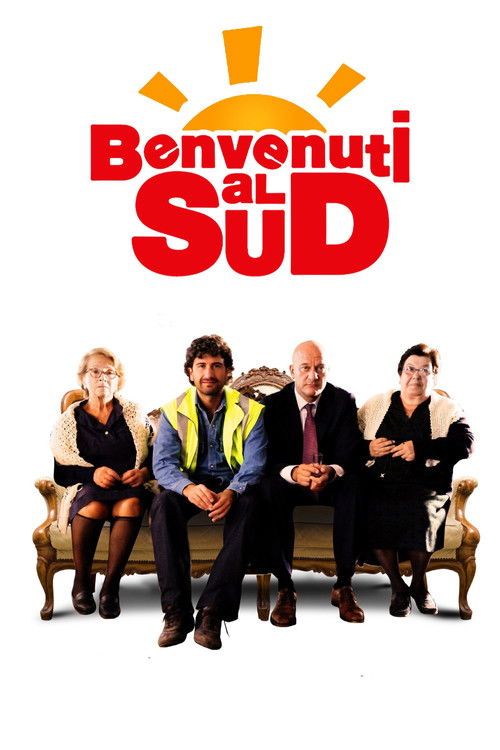
Welcome to the South
2010
No user ratings available yet
Representation score: 6.3 out of 10
Representation Score
Limited
2012
Director
Luca Miniero
Runtime
105 minutes
Average Rating
No ratings yetNew Showbiz Analysis
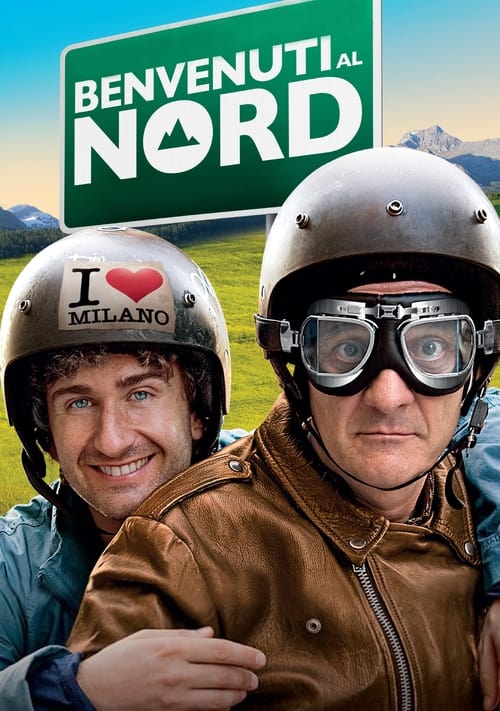
Welcome to the North is a regional comedy that focuses on the cultural divide between Northern and Southern Italy. It uses the tension between Milanese efficiency and Castellabate traditions to explore societal changes and their impact on personal relationships. The film effectively deconstructs how systemic shifts and professional ambitions affect domestic stability and interpersonal relationships. However, it lacks depth in representing multiple aspects of diversity, focusing instead on geographic and socio-cultural themes.
Category Breakdown
The film centers on traditional marriage dynamics and regional differences. It does not include any non-cisgender identities or critiques of heterosexual norms.
The movie looks at power dynamics within marriages through dissatisfaction and professional ambition. Characters follow established comedic types.
The story highlights regional differences within Italy rather than diverse ethnic representation. Diversity is shown through socio-cultural and geographic factors.
The narrative offers a detailed look at the conflict between Northern capitalist values and Southern traditionalism. It critiques how institutional productivity affects family life and community ties.
There is no information available regarding the inclusion of characters with physical or neurodivergent disabilities.
Present on Screen
Limited or Absent
Official Synopsis
Now in the Far North (i.e. Milan!), Alberto has accepted to manage a program for efficiency improvement in the Italian Post. He devotes all his time and all his energy to this noble task and neglects his wife Silvia, which of course annoys her beyond limits. Things do not fare much better in Castellabate where it is rather Maria, Matta's wife, who gets on his nerves by always blaming him for his lack of ambition. One day, due to a misunderstanding, Mattia is transferred to... Milan! And on whose doorstep does he land? Alberto's of course!
2010
1983
1988
2022

2014
1997

1965

1993
No reviews yet. Be the first to share your thoughts on this movie!
Use the rating form above to leave a star rating and optional review.