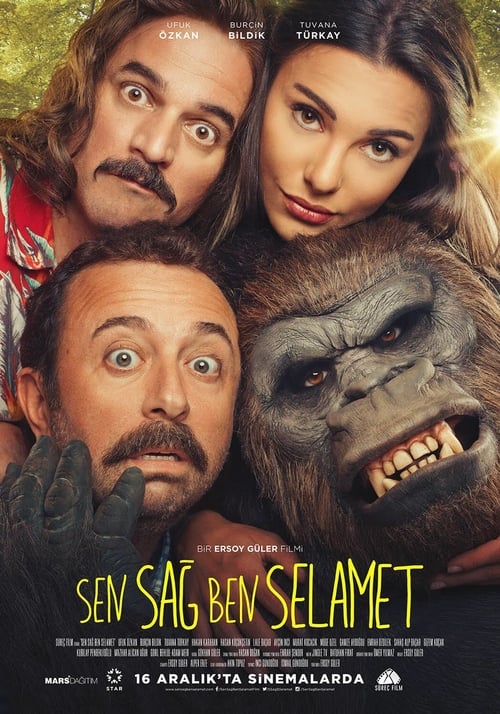
Sen Sag Ben Selamet
2016
No user ratings available yet
Representation score: 1.3 out of 10

Representation Score
Limited
2013
Director
Faruk Aksoy
Average Rating
No ratings yetNew Showbiz Analysis
Faruk Aksoy’s *Men* (2013) is a conventional genre piece designed for broad domestic appeal. It prioritizes mainstream entertainment and traditional social dynamics over critiquing systemic power structures or expanding its narrative scope through diversity. The film adheres to established comedic archetypes and straight-centered clichés common in Turkish commercial cinema. It does not intentionally include LGBTQ+ identities, diverse ethnic backgrounds, or disability advocacy. Ultimately, the production functions as a standard commercial product. It reinforces existing social norms and traditional family-centric humor without providing a sociological critique.
Category Breakdown
The film follows a typical structure of mainstream Turkish comedy and does not include non-binary gender identities or stories that question the assumption that everyone is straight or cisgender.
The character interactions follow traditional comedic setups and do not challenge gender hierarchies. The film relies on well-known archetypes and exaggerated portrayals of masculinity.
The cast and setting are predominantly homogeneous, reflecting the local Turkish population. The film does not blend different backgrounds or include diverse ethnic actors.
The work functions as a standard commercial product that upholds traditional social structures. It does not offer critiques of Western or religious institutions.
There are no neurodivergent or physically disabled characters playing central roles. The film sticks to typical comedic character types.
Present on Screen
Limited or Absent
2016
2015
2015

2009

2008

2017

2009

2016
No reviews yet. Be the first to share your thoughts on this movie!
Use the rating form above to leave a star rating and optional review.