The Valiant Ones
1974
No user ratings available yet
Representation score: 6.9 out of 10
Representation Score
Limited
1977
PGDirector
Jimmy Wang Yu
Runtime
98 minutes
Average Rating
No ratings yetNew Showbiz Analysis
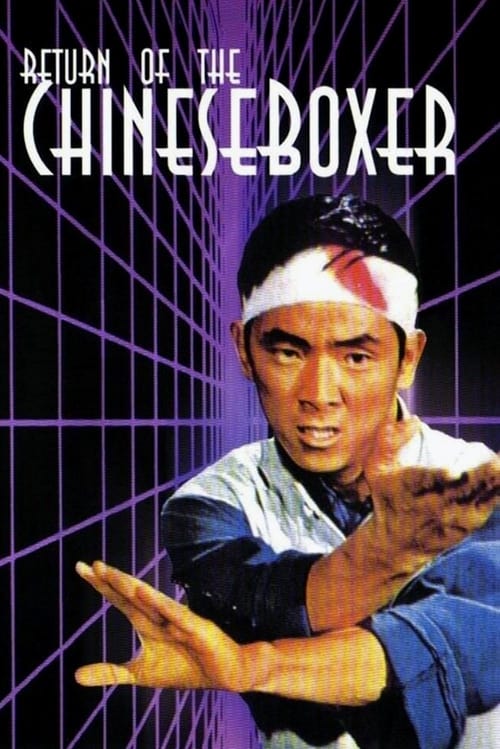
Return of the Chinese Boxer is a classic product of its time, emphasizing physical prowess and historical conflict. While it excels in providing a non-Western perspective on history, it remains tied to the rigid social structures of 1970s action cinema. The film's strength lies in its ethnic authenticity and its rejection of Western-centric casting norms. By featuring Chinese characters and regional history, it maintains a unique cultural identity. However, the film lacks depth in its portrayal of gender, disability, or LGBTQ+ identities. Its heavy reliance on hyper-male clichés limits its complexity and fails to challenge traditional social hierarchies.
Category Breakdown
The film follows 1970s martial arts conventions and does not depict non-cisgender identities or same-sex relationships. It focuses on traditional masculine roles.
Male characters dominate the story, with female characters having limited influence and few opportunities to take control.
The film centers on a Chinese cast, offering authentic regional representation and avoiding Western whitewashing by focusing on historical events in Manchuria.
The story emphasizes local martial ethics and honor, rather than Western religious morals, highlighting Chinese resilience.
There is no representation of neurodivergence or physical disabilities. Characters are defined by their physical perfection and combat skills.
Present on Screen
Limited or Absent
Official Synopsis
In wake of the First Sino-Japanese War 1894-1895, a group of Japanese warlords calculate that the best way to prepare an invasion of the rest of China from their southern Manchuria staging ground.
1974

1978
2017
1967
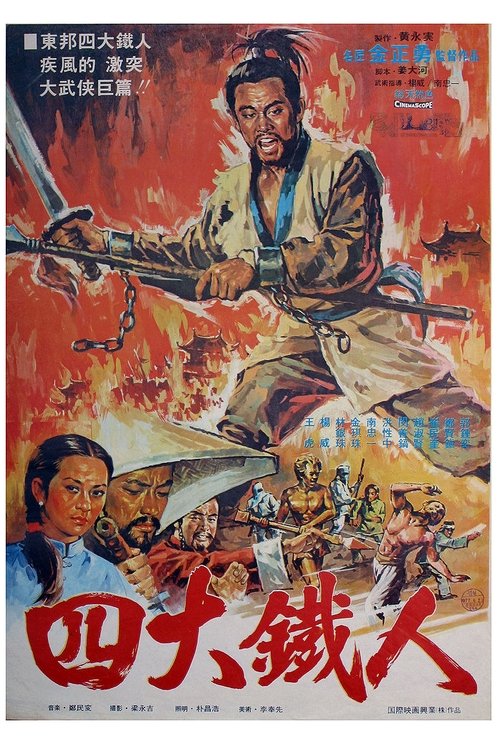
1977
2009
1977
2019
No reviews yet. Be the first to share your thoughts on this movie!
Use the rating form above to leave a star rating and optional review.