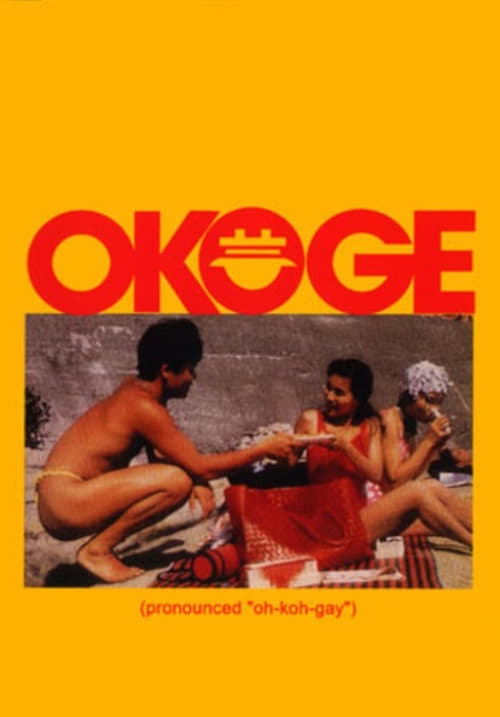
Okoge
1992
No user ratings available yet
Diversity score: 6.7 out of 10
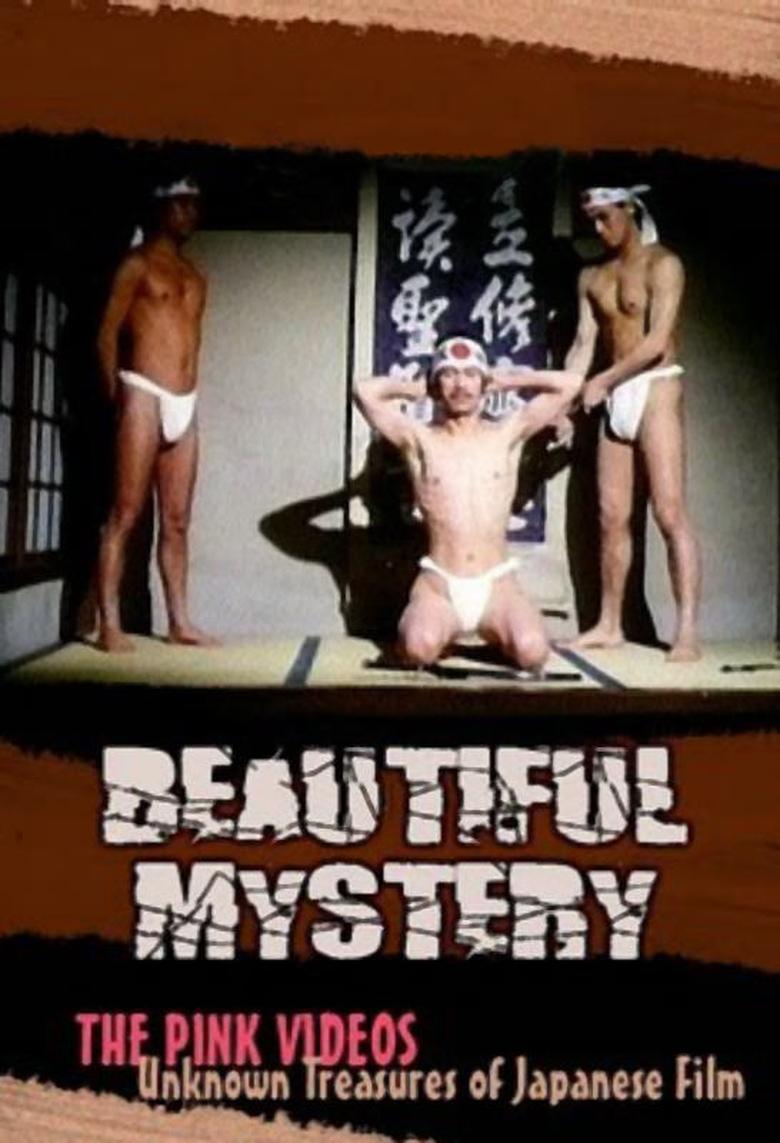
1983
Director
Genji Nakamura
Runtime
60 minutes
Average Rating
No ratings yetSynopsis
Shinohara, a young bodybuilder, joins a para-military sect in northern Japan. His instructor, Takizawa, takes a liking to the new recruit. After an early “special” training session the two develop a lasting and loving relationship.
Overall Score
Fair
Category Breakdown
LGBTQ+ Representation
The film centers on a lasting, loving relationship between two men, Shinohara and Takizawa. This romantic bond serves as a central emotional pillar of the story.
Gender Representation
The narrative focuses heavily on masculine archetypes like bodybuilding and para-military training. It subtly deconstructs stoic ideals by prioritizing emotional connection over combat utility.
Racial & Ethnic Diversity
Set in northern Japan, the film presents a culturally homogeneous environment. It lacks multi-ethnic casting or diverse racial elements within its specific setting.
Religious & Cultural Diversity
The story explores the tension between a disciplined para-military sect and private emotional life. It suggests a critique of institutional conformity through personal connection.
Disability Representation
There are no identifiable depictions of physical or neurodivergent disabilities in the narrative.
Strengths
Areas for Improvement
AI Analysis
Beautiful Mystery (1983) offers a unique subversion of the military drama genre by centering a queer romantic bond. While the setting is culturally narrow, the emotional core of the film challenges traditional social hierarchies. The film's strength lies in its ability to place intimacy within a rigid, disciplined framework. However, the scope remains limited by its focus on a homogeneous Japanese setting and masculine-centric archetypes. Ultimately, the film moves beyond simple combat tropes to explore how personal relationships can exist within oppressive or highly structured organizations.
1992

2014
1983

2015
2008

2014

2013
2016

2006
1984
2005
1994
No reviews yet. Be the first to share your thoughts on this movie!
Use the rating form above to leave a star rating and optional review.