
Blood Stripe
2016
No user ratings available yet
Representation score: 7.5 out of 10
Representation Score
Good
2016
Director
Claude Desrosiers
Runtime
90 minutes
Average Rating
No ratings yetNew Showbiz Analysis
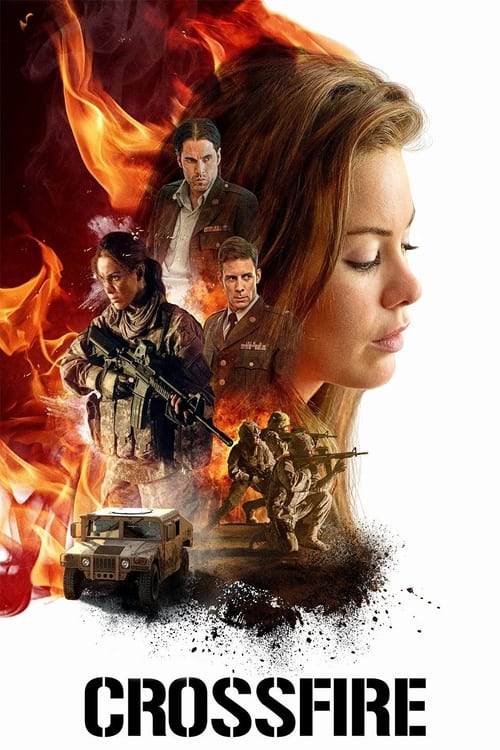
Crossfire is a character-driven psychological thriller that centers on the nuanced portrayal of mental health. By focusing on a soldier dealing with PTSD, the film treats invisible disability as a primary source of tension rather than a secondary element. While the film avoids the cliché of passive female characters by placing Samantha Harrison in a high-stakes, high-control role, it lacks broader multi-layered depth. The narrative remains focused on individual survival and psychological realism. Ultimately, the film lacks explicit representation of LGBTQ+ identities and racial diversity. It serves more as a personal study of trauma and institutional betrayal than a broad social critique.
Category Breakdown
The film does not explicitly include LGBTQ+ characters or explore non-cisgender identities. The narrative focuses solely on the protagonist's military experiences and external threats.
Samantha Harrison is a strong female lead in a predominantly male military environment. She plays a significant role in driving the story, but the plot centers on her victimization by an obsessed antagonist.
The story emphasizes an individual's psychological journey rather than a diverse cast. There is no specific indication of intentional the way different parts of someone's identity overlap based on race or ethnicity.
The film questions the reliability of institutions and official narratives. However, it prioritizes individual survival over a broader cultural or systemic critique.
PTSD is a central theme, depicting invisible disability. The protagonist's struggle with fragmented memories drives the plot, giving the condition significant narrative importance.
Present on Screen
Limited or Absent
Official Synopsis
When National Guard soldier Samantha Harrison returns from the front lines of Iraq, she realizes that none of her training helps her deal with PTSD or the struggles of returning to a normal life. Samantha comes home to find out she's being blamed for a friendly fire incident that killed two Americans and she becomes the target of an obsessed soldier seeking revenge for their deaths. She tries to reassemble her fragmented memories of that horrific night in order to convince everyone, including herself, that she didn't do it. Who do you turn to when you can't trust your own memories and the few people you do trust are being killed off one by one?
2016

2014
2017

2022
2011
2017

2015
2015
No reviews yet. Be the first to share your thoughts on this movie!
Use the rating form above to leave a star rating and optional review.