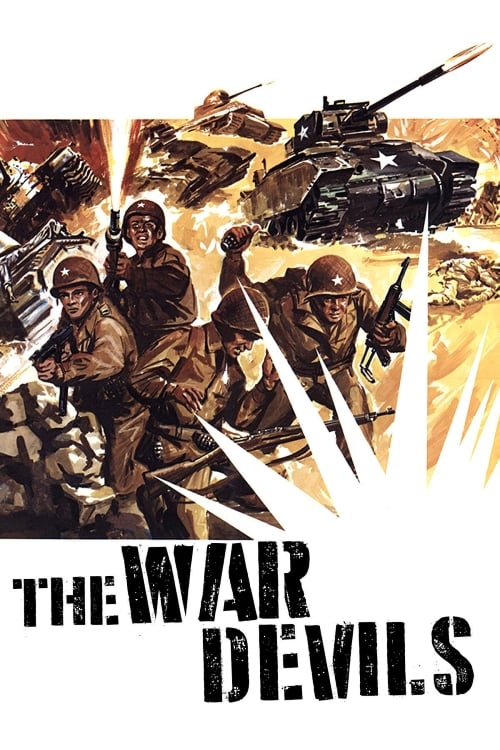
The War Devils
1969
No user ratings available yet
Representation score: 1.3 out of 10
Representation Score
Minimal
1961
Director
Denys de La Patellière
Runtime
95 minutes
Average Rating
No ratings yetNew Showbiz Analysis
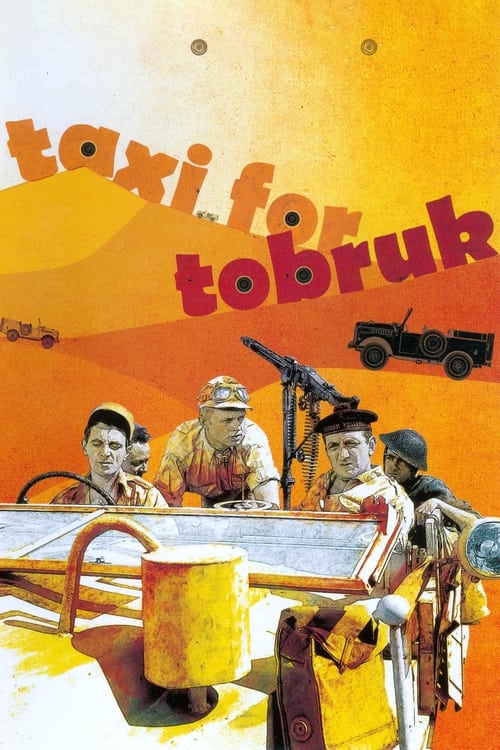
Taxi for Tobruk is a traditional mid-century war drama that reflects the demographic norms of its time. The story centers on the tactical and interpersonal conflicts among French and German soldiers in the North African desert, adhering to the cinematic conventions of the 1960s. The film does not actively challenge established hierarchies or offer diverse viewpoints. Instead, it upholds traditional Western military perspectives and masculine command structures.
Category Breakdown
The film does not include any LGBTQ+ characters or queer themes. The social environment aligns closely with the heterosexual norms of the military.
The story focuses primarily on male soldiers and their interactions, lacking significant female characters to challenge the patriarchal structure of wartime.
The cast is mainly composed of French and German actors, reflecting the European perspective of the North African setting. Indigenous populations are not prominently featured.
The film examines wartime duty and survival but does not delve into systemic critiques of power structures. Morality is defined by military hierarchy rather than modern moral relativism.
There are no characters with visible or invisible disabilities in the film. The plot emphasizes able-bodied protagonists engaged in physical combat and survival.
Present on Screen
Limited or Absent
Official Synopsis
During World War II, French Commandos join forces with a German officer in order to survive the African desert.
1969
1943
1967
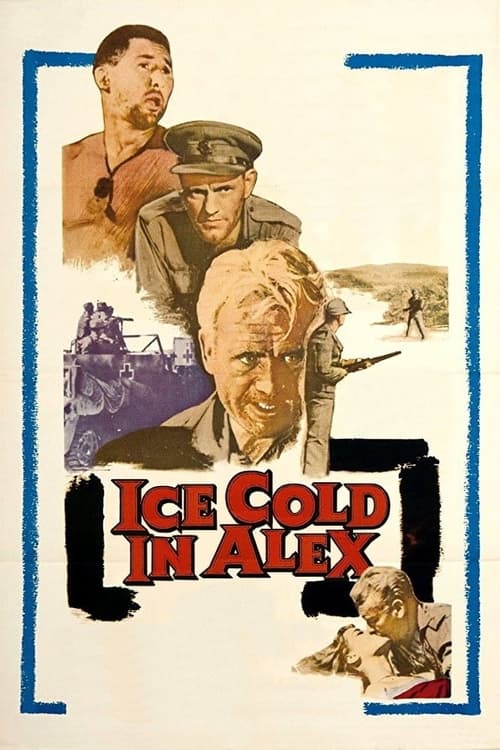
1958
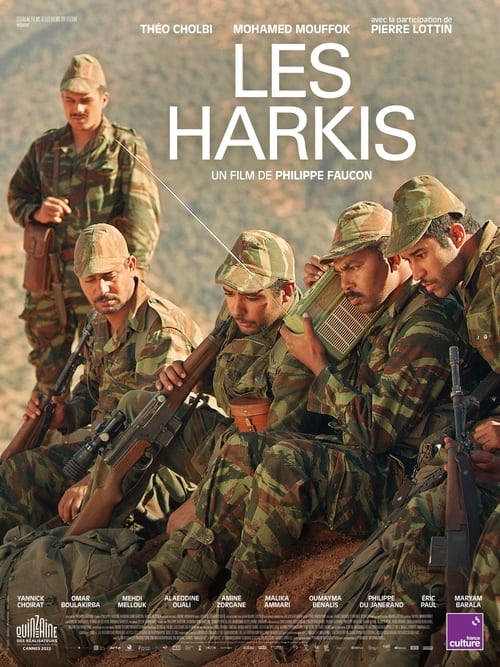
2022

1975
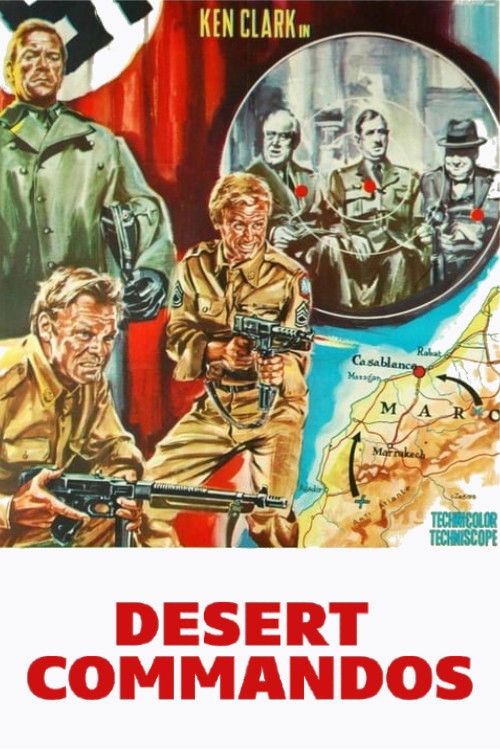
1967
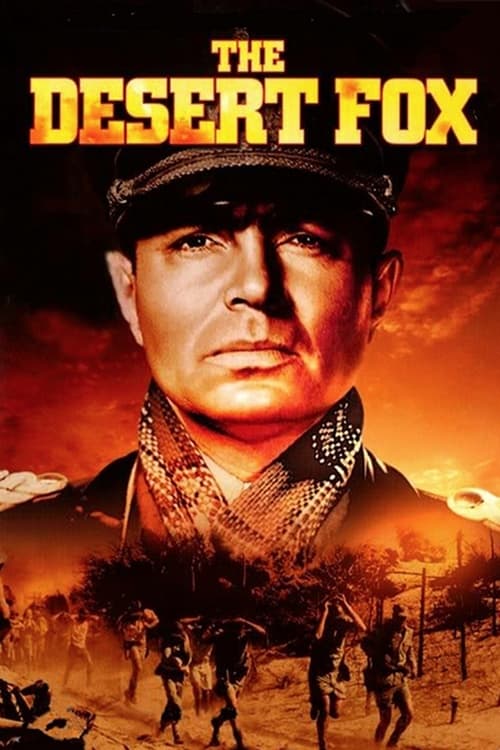
1951
No reviews yet. Be the first to share your thoughts on this movie!
Use the rating form above to leave a star rating and optional review.