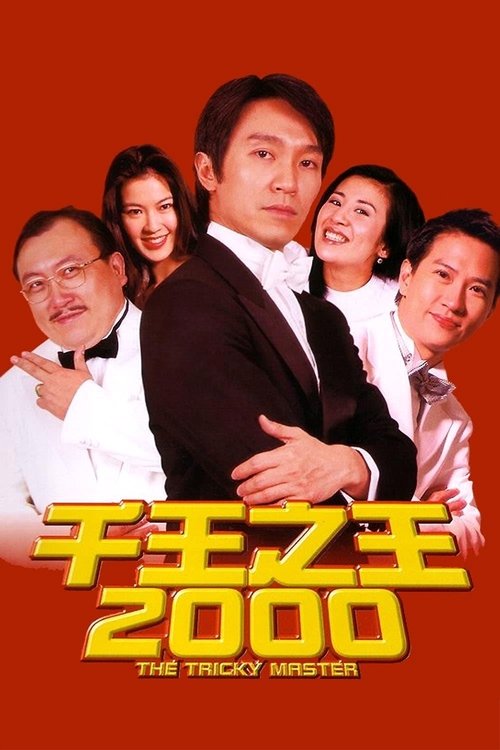
The Tricky Master
1999
No user ratings available yet
Representation score: 4.3 out of 10
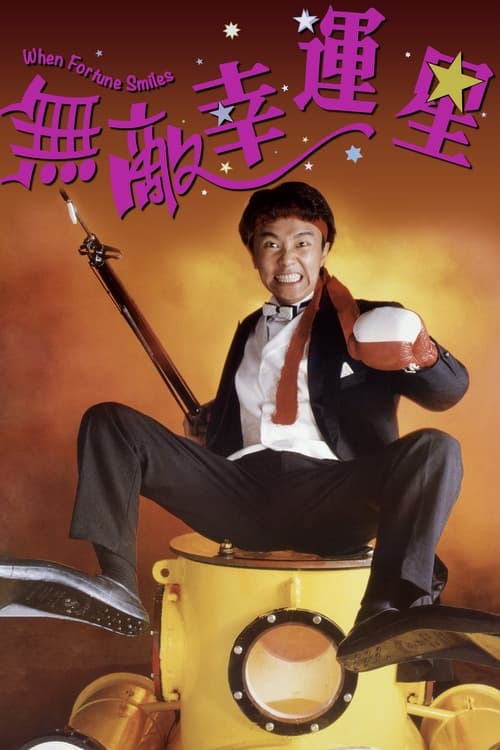
Representation Score
Limited
1990
Director
Anthony Chan Yau
Runtime
95 minutes
Average Rating
No ratings yetNew Showbiz Analysis
The film's strength lies in its subversion of traditional gender roles by placing a woman at the center of economic power. This challenges the idea of the male patriarch as the sole controller of family wealth. However, the narrative lacks depth in representing diverse identities. The absence of LGBTQ+ or disability characters, along with a homogeneous ethnic cast, limits the film's broader diversity profile. Ultimately, the work functions as a character study on the breakdown of familial loyalty through the lens of individual economic power.
Category Breakdown
The film does not include any characters with non-straight or non-cisgender identities. The story focuses on traditional family wealth and heterosexual relationships.
A female character holds significant economic power, challenging traditional male-dominated hierarchies. The conflict centers around male relatives trying to regain control through theft.
The cast and setting are ethnically uniform within a Cantonese context. It provides a non-Western perspective centered on East Asian social structures.
The story portrays the family unit as driven by greed rather than moral principles. It examines how material desires undermine traditional kinship bonds.
There are no characters with visible or invisible disabilities in the film. Such characters do not play a central role in the plot.
Present on Screen
Limited or Absent
Official Synopsis
A daughter inherits a massive amount of fortune from his deceased father and it enrages her brother and her nephew, who then try to steal some of it from her.
1999
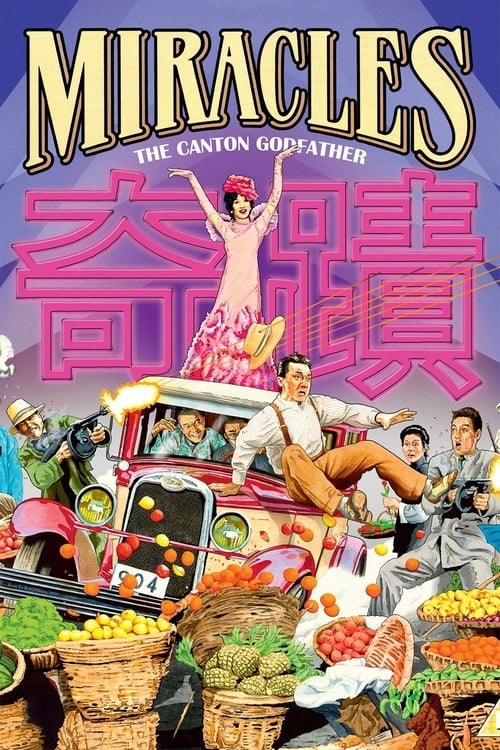
1989

1974
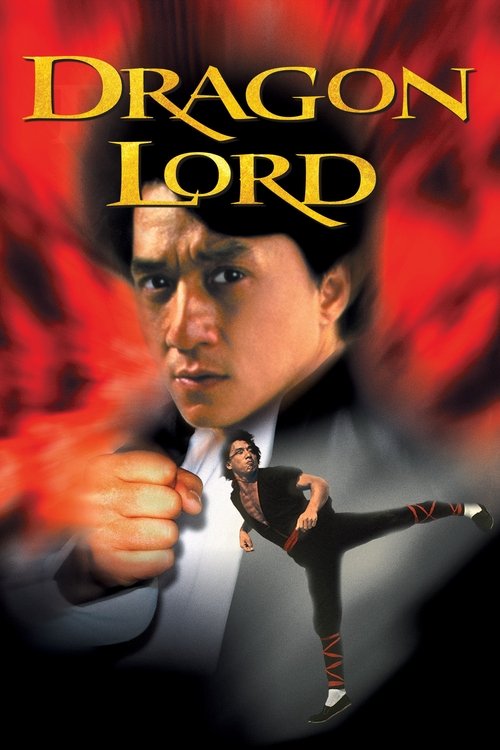
1982
2005
1990

1989
1990
No reviews yet. Be the first to share your thoughts on this movie!
Use the rating form above to leave a star rating and optional review.