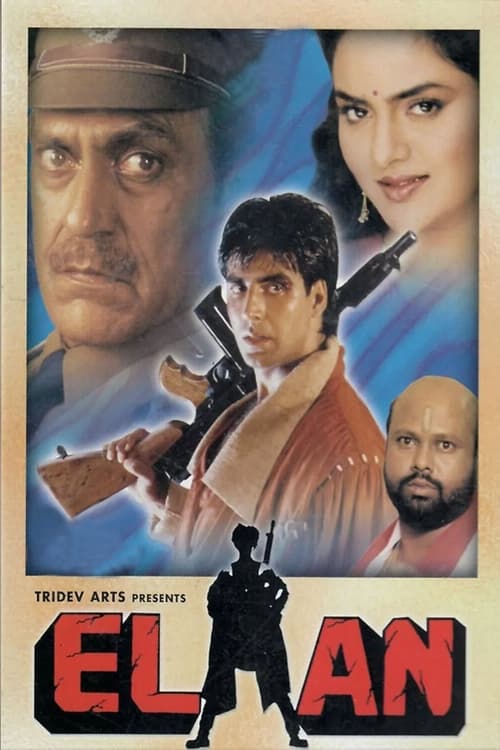
Elaan
1994
No user ratings available yet
Representation score: 2.2 out of 10
Representation Score
Limited
1995
Director
Raj N. Sippy
Runtime
150 minutes
Average Rating
No ratings yetNew Showbiz Analysis
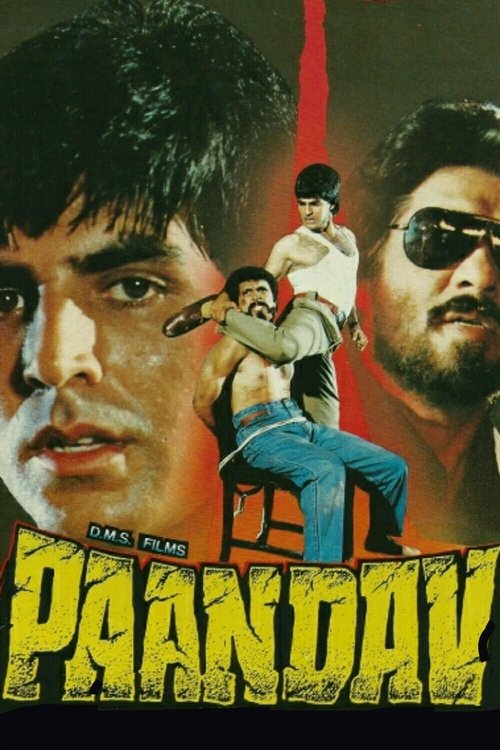
Paandav is a mid-90s action film that closely follows established genre clichés. The plot revolves around high-stakes conflicts and traditional hero archetypes, emphasizing individual struggle over social complexity. The narrative structure centers on male-dominated hierarchies, particularly the tension between law enforcement brothers and criminal adversaries. This focus limits the representation of women and diverse identities. While the film offers a culturally specific perspective on Indian institutional corruption, it does not challenge social hierarchies or explore multi-layered narratives.
Category Breakdown
The film does not include any LGBTQ+ characters or stories about non-cisgender identities. It follows a traditional framework that assumes everyone is straight and cisgender.
The story centers around male-dominated professional structures. Jyoti’s role is confined to a traditional domestic context, limiting the representation of women.
The cast and setting reflect an ethnically homogeneous Indian environment. The film offers a culturally specific narrative without exploring multiple aspects of diversity.
The themes of corruption and family loyalty are explored through a traditional lens focusing on law and order. The story upholds typical moral binaries.
The film does not provide any information about characters with physical or neurodivergent disabilities.
Present on Screen
Limited or Absent
Official Synopsis
Inspector Vijay lives with his elder brother, Assistant Commissioner of Police, Ashwini Kumar; and sister-in-law, Jyoti, in a upper middle-class community in India. Assigned an investigation, which leads Vijay to conclude that the crime was committed by K.K. Kelva's man, he risks his life to arrest him, and hold him in prison until such time a date is fixed for a court hearing. Vijay also interrogates his prisoner, often using excessive force. Shortly thereafter, Vijay is instructed to release the prisoner - and the person who instructs him thus is no other than his very own brother, Ashwini, who it seems on the pay-roll of Kelva and his gangsters. What can Vijay possibly do to bring an end to this illicit relationship?
1994

2018
1997

2010

2005

2002

1990
1997
No reviews yet. Be the first to share your thoughts on this movie!
Use the rating form above to leave a star rating and optional review.