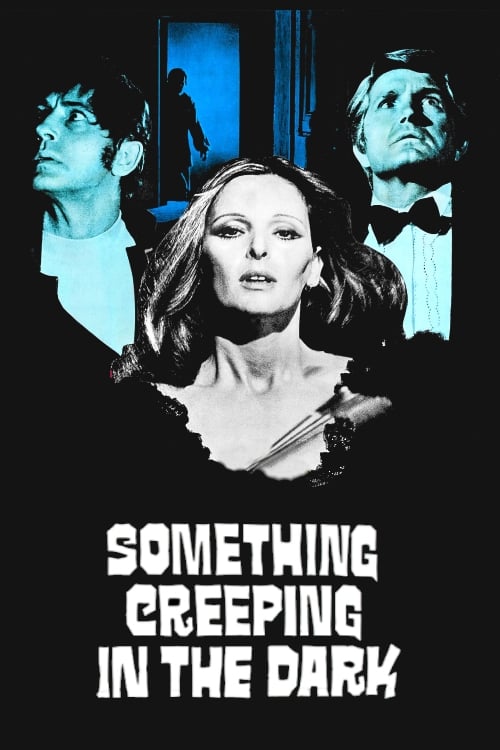
Something Creeping in the Dark
1971
No user ratings available yet
Representation score: 1.1 out of 10
Representation Score
Minimal
1980
RDirector
Joe D'Amato
Runtime
92 minutes
Average Rating
No ratings yetNew Showbiz Analysis
Joe D'Amato's film is a classic example of 1980s exploitation cinema, focusing on shock value and genre clichés rather than social issues. The narrative structure relies on established hierarchies and colonialist themes. The film lacks diverse representation, with no LGBTQ+ characters or individuals with disabilities. It serves as a survival tale that upholds traditional power structures without questioning them. Overall, the film uses stereotypical representations and standard horror clichés, offering little engagement with varied perspectives or nuanced cultural critiques.
Category Breakdown
The film does not include any LGBTQ+ characters or non-straight identities. It sticks to traditional assumptions about straight relationships.
Female characters play key roles in the tension but mainly serve as subjects of danger. The film uses typical survival dynamics without challenging traditional gender roles.
The cast is mostly white, creating a divide between Western heroes and island natives. It uses stereotypes to depict non-Western cultures as dangerous.
The story emphasizes a conflict between civilization and savagery, reinforcing Western hierarchies. It uses the absence of law to create horror without exploring cultural complexities.
There are no meaningful portrayals of physical or mental disabilities. Characters are defined by their ability to survive or their vulnerability to violence.
Present on Screen
Limited or Absent
Official Synopsis
Tourists take a boat to a remote island, where they find that most of the people have disappeared, and something is stalking them. They find a hidden room in the big mansion on a hill, and an ancient diary, which gives them clues to the source of the terror.
1971

1966

1977
1970

1987

1975
1999
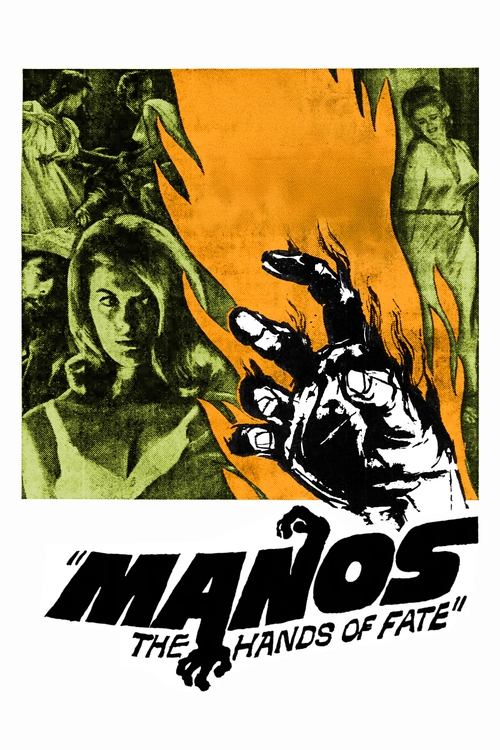
1966
No reviews yet. Be the first to share your thoughts on this movie!
Use the rating form above to leave a star rating and optional review.