Si volvieras a mi
1954
No user ratings available yet
Representation score: 2.7 out of 10
Representation Score
Minimal
1946
Director
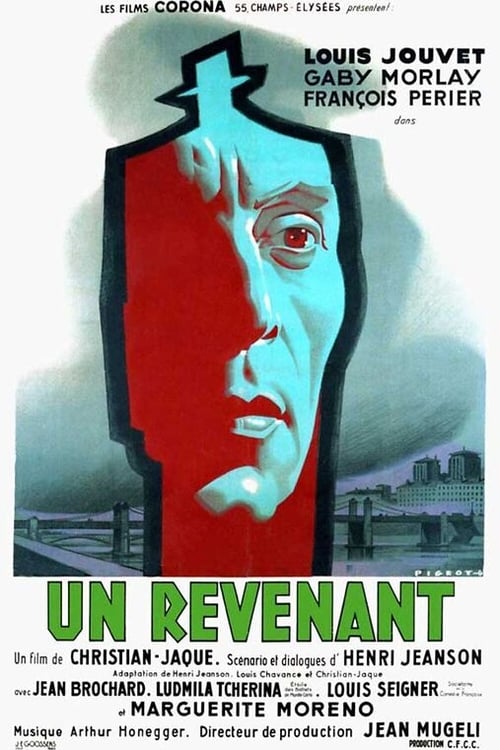
Christian-Jaque
Runtime
100 minutes
Average Rating
No ratings yetNew Showbiz Analysis
Un revenant is a traditional period drama that emphasizes a singular, male-driven arc of vengeance. Its narrative structure adheres to the social and cinematic norms of its 1946 production era. The film lacks complexity in representing multiple aspects of identity and focuses on the personal reclamation of status by its protagonist. It remains within the conventions of mid-century European genre filmmaking, conforming to the demographic constraints of its historical context. Ultimately, the work does not attempt to challenge traditional norms or provide representation for underrepresented identities.
Category Breakdown
The film follows mid-20th-century cinematic norms and does not include non-cisgender identities or same-sex relationships.
The male protagonist, Jean Gabin, holds the main ability to act. Women are depicted in roles that align with 18th-century social structures, lacking intellectual or physical dominance.
The cast is uniform, reflecting 18th-century French provincial life. There is no indication of racial diversity or blended cultural backgrounds.
The story centers on personal revenge without addressing systemic issues. It operates as a conventional revenge drama within established social norms.
Characters with visible or invisible disabilities are not shown who play a significant role in driving the story. Disability is not a primary theme in the film.
Present on Screen
Limited or Absent
Official Synopsis
A ballet producer returns to his native town and schemes to avenge himself on the family who tried to murder him 20 years before.
1954
1938
1965

1963
1956
1958
1968
1939
No reviews yet. Be the first to share your thoughts on this movie!
Use the rating form above to leave a star rating and optional review.