
The Hotel of Love Affairs
1983
No user ratings available yet
Representation score: 3.1 out of 10
Representation Score
Fair
1978
Director
Rogelio A. González
Runtime
98 minutes
Average Rating
No ratings yetNew Showbiz Analysis
This film serves as a transitional work in Mexican cinema, examining the tension between traditional social structures and modernizing trends. It moves away from rigid domesticity by exploring the instability of marriage through sexual liberation. However, the film remains confined by its time period. Its exploration of non-traditional dynamics stays within the bounds of the assumption that everyone is straight or cisgender, and its racial representation lacks depth, focusing instead on local social dynamics. Ultimately, while it challenges mid-20th-century moral codes, it does not offer substantial representation for LGBTQ+ identities or disability.
Category Breakdown
The film examines unconventional sexual relationships from a heterosexual perspective. It centers on a married couple expanding into a threesome rather than showcasing queer identities or non-conforming gender expressions.
The story challenges the traditional nuclear family model by highlighting women's influence in a marriage. This shifts the focus away from the husband being the sole authority figure.
The film adheres to the demographic standards of 1978 Mexican cinema. Despite mentioning Japanese characters, there is no indication of significant racial integration or diverse character arcs.
The movie questions conservative moral values by using themes of sexual freedom to challenge the sanctity of the traditional family unit and strict moral codes.
There is no information about the depiction of physical or neurodivergent disabilities in the film's storyline.
Present on Screen
Limited or Absent
Official Synopsis
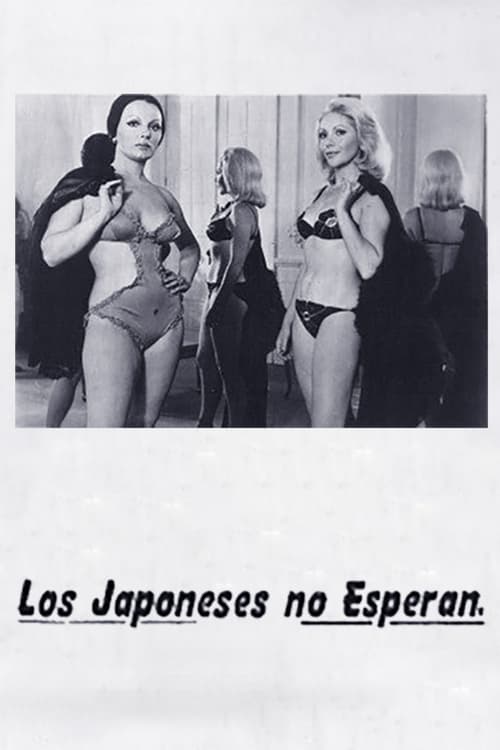
Married couple becomes a threesome with two women, but "sexual liberation" turns out to be more difficult than they imagined.
1983
1973

1973
1986

1981

1969

2004

2018
No reviews yet. Be the first to share your thoughts on this movie!
Use the rating form above to leave a star rating and optional review.