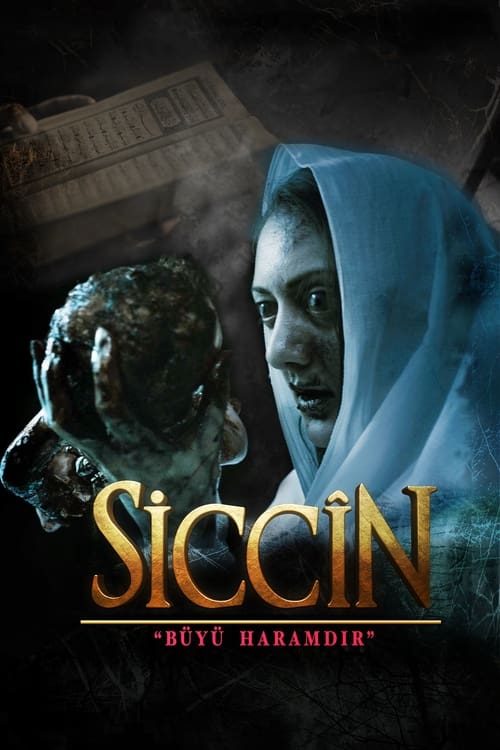
Sijjin
2014
No user ratings available yet
Representation score: 0.6 out of 10
Representation Score
Fair
2023
Director
Alper Mestçi
Runtime
105 minutes
Average Rating
No ratings yetNew Showbiz Analysis
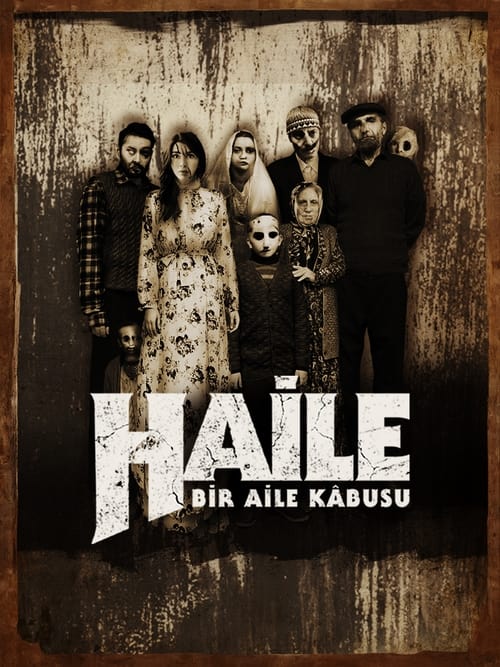
Haile: A Family Nightmare is a generational horror film that uses folk traditions to explore ancestral trauma. It successfully moves away from Western horror clichés by centering Turkish folklore and the breakdown of communal stability. While the film lacks progressive identity markers like LGBTQ+ visibility, it offers a nuanced look at how traditional social structures can become sources of terror. The shift from passive female roles in the past to Damla's active investigation adds a layer of gendered complexity. Ultimately, the film's diversity lies in its cultural specificity and its subversion of the idealized family unit, presenting a darker, more systemic view of heritage.
Category Breakdown
The film does not include any LGBTQ+ characters or themes. The storyline follows a traditional romantic plot structure.
Damla plays a significant role in confronting historical trauma. However, the story begins with a woman being married off, which reflects patriarchal structures.
As a Turkish production, the film focuses on West Asian cultural aesthetics. It challenges Western horror conventions by emphasizing local superstitions and village dynamics.
The narrative critiques traditional institutions by depicting the family as a destructive force. It explores the corruption of communal legacies.
There is no evidence regarding the portrayal of physical or neurodivergent disabilities within the narrative.
Present on Screen
Limited or Absent
Official Synopsis
After the girl Kamal loves is married off to his brother, he sets off a series of events that will lead to the destruction of an entire village. 25 years later, the cursed magic intensifies again and the promised violent events occur. In the middle of it all, Damla travels to the village of Baras, where it all began, and confronts her terrible past.
2014
2019

2018
2020

2018
2026

2019

2011
No reviews yet. Be the first to share your thoughts on this movie!
Use the rating form above to leave a star rating and optional review.