Alone in the Wilderness: Part II
2011
No user ratings available yet
Representation score: 0.1 out of 10
Representation Score
Minimal
2005
GDirector
Bob Swerer Sr., Bob Swerer Jr.
Runtime
57 minutes
Average Rating
No ratings yetNew Showbiz Analysis
Alaska: Silence & Solitude is a naturalist documentary focused on preserving a specific historical moment and a singular way of life. It prioritizes environmental and individualist themes over contemporary social issues. The film follows conventional biographical storytelling, focusing on the solitary life of Dick Proenneke. This approach emphasizes historical preservation rather than challenging social norms. Since the work centers on observational filmmaking and a single male subject, it lacks the diverse perspectives found in more inclusive modern productions.
Category Breakdown
The film focuses entirely on the relationship between Dick Proenneke and the Alaskan wilderness. There are no characters or narratives involving LGBTQ+ individuals or discussions about non-straight identities.
The story centers on a single male figure, reinforcing a traditional masculine stereotype of the rugged individualist. Women play a minor role in this solitary survival tale.
The documentary focuses solely on a single biographical subject and the natural landscape. There is no evidence of diverse ethnic representation or a varied cast.
The film celebrates traditional values of self-reliance and frontier survival. It emphasizes a deep connection to the land over questioning Western social structures.
While the film documents the aging process of the subject, it does not center on physical or cognitive disabilities as key narrative elements or tools for personal empowerment.
Present on Screen
Limited or Absent
Official Synopsis
Alaska Silence & Solitude is the follow up to Alone in the Wilderness, filmed 20 years later. Bob Swerer and Bob Swerer Sr. visit Dick Proenneke at his famous cabin on Twin Lakes where the wildlife is still abundant and the scenery is spectacular.
2011
2021

2006

2005

1998
1978
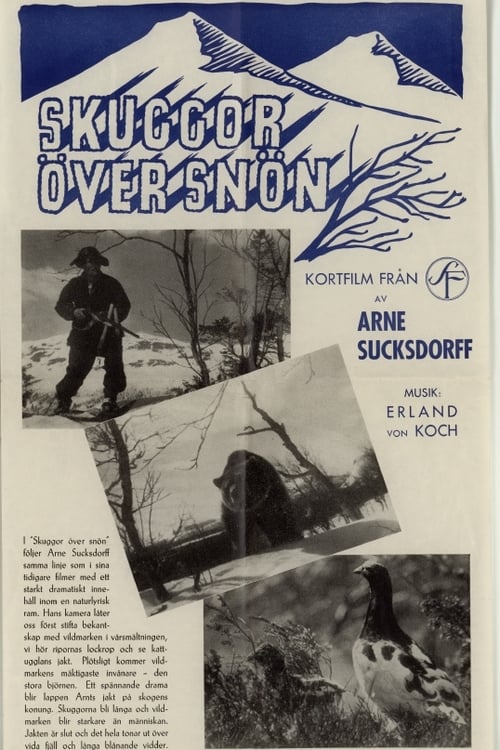
1946

2004
No reviews yet. Be the first to share your thoughts on this movie!
Use the rating form above to leave a star rating and optional review.