
The Frozen North
2006
No user ratings available yet
Diversity score: 0.8 out of 10
2011
GDirector
Dick Proenneke, Bob Swerer Sr., Bob Swerer Jr.
Runtime
60 minutes
Average Rating
No ratings yetSynopsis
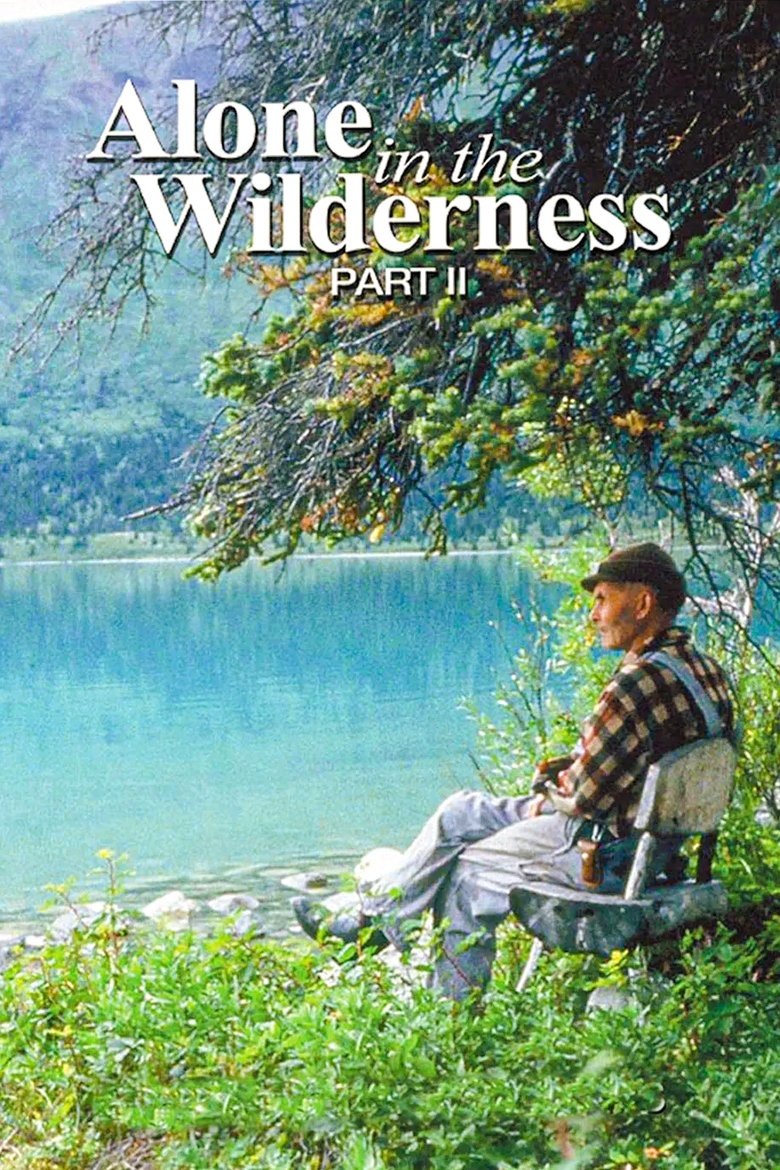
Dick Proenneke's simple, yet profound account of his 30 year adventure in the remote Alaska wilderness continues in this sequel to "Alone in the Wilderness". Watch through his eyes as he continues to document with his 16mm wind-up Bolex camera, capturing his own amazing craftsmanship, the stunning Alaskan wildlife and scenery and even a visit from his brother Ray (Jake). His epic journey takes you on a vacation away from the hustle and bustle of today's fast-paced society, and is a true breath of fresh air.
Overall Score
Minimal
Category Breakdown
LGBTQ+ Representation
The film lacks any depiction of LGBTQ+ identities or non-heteronormative social structures. The narrative is centered entirely on the solitary existence of the protagonist.
Gender Representation
The film presents a strictly singular masculine perspective. The absence of female characters prevents the narrative from engaging with gendered power dynamics or labor roles.
Racial & Ethnic Diversity
The documentary focuses on a homogeneous subject within a remote wilderness setting. There is no evidence of racial or ethnic diversity in the cast or social interactions.
Religious & Cultural Diversity
The film celebrates traditional Western values, specifically the pioneer ethos of self-sufficiency. It reinforces virtues of discipline and a structured relationship with nature.
Disability Representation
There are no central depictions of physical, sensory, or neurodivergent disabilities. The protagonist is portrayed through a lens of peak physical capability and manual dexterity.
Strengths
Areas for Improvement
AI Analysis
Alone in the Wilderness: Part II is a meditative study of individualist subsistence and manual craftsmanship. By utilizing archival 16mm footage, the film prioritizes a singular, lived experience over a structured social dialogue. It is deeply rooted in traditionalist values of self-reliance and environmental stewardship. The narrative architecture is designed to celebrate individualist survivalism and historical craftsmanship. Because the setting is intentionally isolated from multicultural or social environments, the film does not engage with contemporary intersectional frameworks or social deconstruction. Ultimately, the work functions as a celebration of a specific, homogeneous way of life. It models a successful mastery of the environment through traditional means rather than exploring diverse social identities.
2006
2000

2010
2002

2004
2012
2016

2014
No reviews yet. Be the first to share your thoughts on this movie!
Use the rating form above to leave a star rating and optional review.