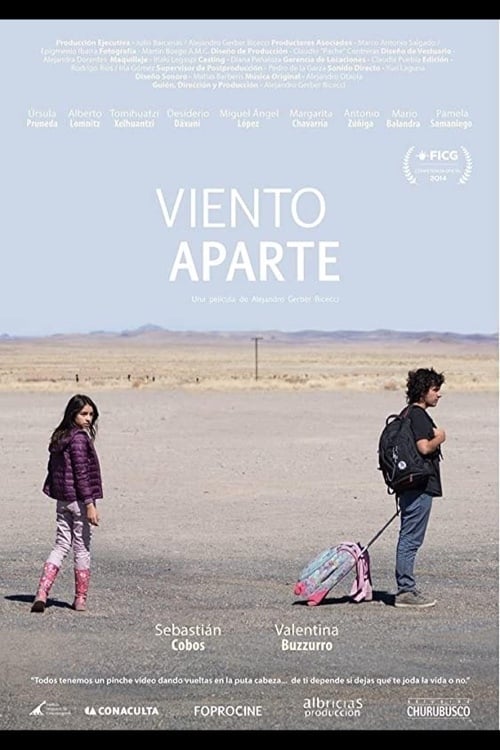
A Separate Wind
2014
No user ratings available yet
Representation score: 8.2 out of 10
Representation Score
Fair
2014
Director
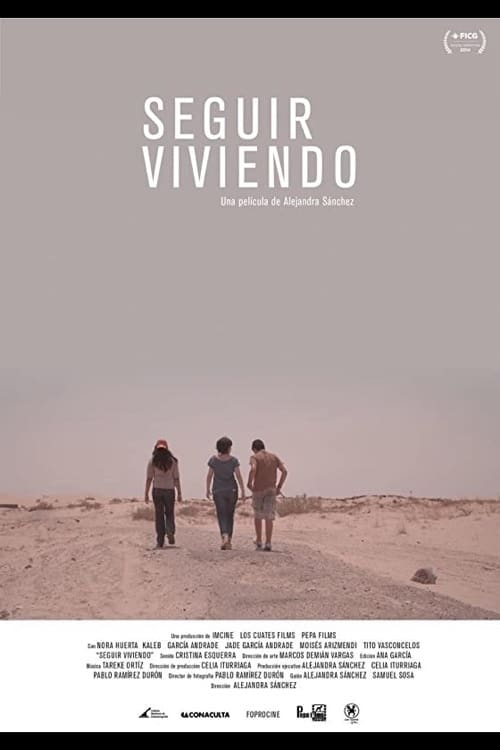
Alejandra Sánchez
Runtime
81 minutes
Average Rating
No ratings yetNew Showbiz Analysis
Go On Living offers a poignant look at unconventional social structures, moving away from sanitized storytelling to explore high-stakes social realities. Its strength lies in its regional grounding and its willingness to dismantle the traditional nuclear family cliché in favor of a chosen family born of tragedy. However, the film's demographic breadth is limited. There is a notable absence of overt LGBTQ+ representation and specific data regarding disability or gendered roles. While the setting provides a strong cultural framework, the narrative's focus remains narrow regarding specific identity-based representation. Ultimately, the film succeeds as a character-driven exploration of survival and systemic pressure, even if it lacks a diverse array of visible identity markers.
Category Breakdown
The film does not explicitly mention LGBTQ+ characters or non-straight relationships. Instead, it focuses on the formation of a surrogate family unit.
The story challenges traditional domestic structures by replacing a biological nuclear family with a chosen one. However, the roles and actions of female characters and the subversion of traditional masculinity are not explored.
Set in Juarez, the film engages with regional identity and the socio-political realities of high-conflict zones. It prioritizes the lived experiences of vulnerable populations over idealized perspectives.
The work disrupts conventional domestic stability by centering on survival and systemic instability. It explores the fragility of life and the deconstruction of traditional social institutions.
While a car accident is central to the plot, there is no evidence regarding the portrayal of living characters with physical or neurodivergent disabilities.
Present on Screen
Limited or Absent
Official Synopsis
Two children, under a death threat run away from Juarez, join a journalist, who has just lost his son in a car accident, to become a new family. During a long journey in a short time, everything will spin around death, the fragile universe of love and life’s traps.
2014
2015
2014
2013

2024
2017
2021

2014
No reviews yet. Be the first to share your thoughts on this movie!
Use the rating form above to leave a star rating and optional review.