
Fish Tales
1954
No user ratings available yet
Representation score: 0.5 out of 10
Representation Score
Minimal
1951
PassedDirector
Charles T. Trego
Runtime
9 minutes
Average Rating
No ratings yetNew Showbiz Analysis
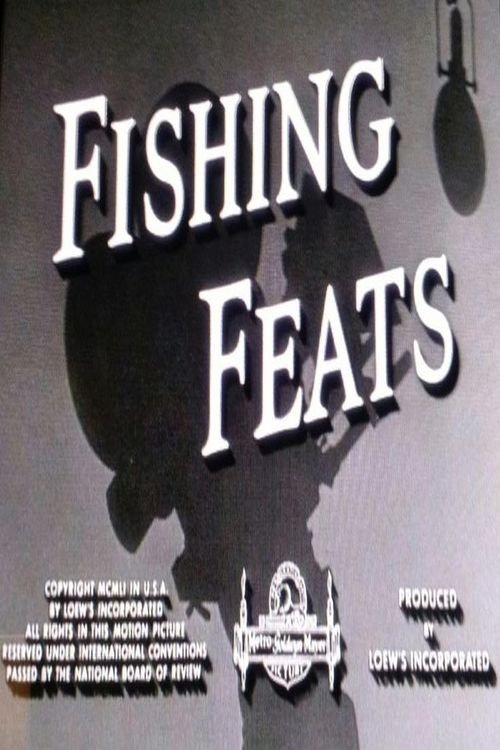
Fishing Feats is a mid-century observational documentary that emphasizes technical skill and natural phenomena. The film’s structure reinforces traditional hierarchies, focusing on the physical conquest of the sea and the rewards of manual labor. Though the film lacks modern social commentary, it offers glimpses of specific cultures, such as the salmon fishing traditions of the Chinook Indians. However, these moments are presented through a period-typical ethnographic lens rather than a deep exploration of identity. Ultimately, the film is a product of its era, emphasizing rugged masculinity and capitalist productivity. It functions more as a celebration of maritime labor and natural mastery than a diverse social study.
Category Breakdown
The film does not include any representation of LGBTQ+ identities. It stays within the observational limits of its time period.
The story focuses almost entirely on traditional masculine labor and physical dominance over nature. There is no indication of women's ability to drive the story or the subversion of gender hierarchies.
The film briefly represents Indigenous ability to act through the depiction of Chinook Indians at Celilo Falls. While it recognizes ancestral connections, the portrayal uses an ethnographic lens typical of the 1950s.
The film highlights Western values, emphasizing the mastery of nature and the rewards of hard labor. It celebrates industrial efficiency and the capitalist link between effort and profit.
There is no visible or documented representation of individuals with physical or neurodivergent disabilities.
Present on Screen
Limited or Absent
Official Synopsis
With Pete Smith providing dry off-screen commentary, we watch some serious fishing: a marlin caught near Catalina, a hammerhead shark caught then wrestled in a small rowboat near Baja, the largest (721 pounds) great white shark caught to date in California waters, Chinook Indians catching salmon at Celilo Falls in Oregon - each with his designated place on the river where his ancestors stood, and, last, a crew on a boat off Mexico hoisting and hurling tuna using unbarbed hooks (baited only with a feather) as fast as they can as long as the school is there - backbreaking work - but a $25,000 catch.
1954
2013
1939
1957
2001
1896
1955
1955
No reviews yet. Be the first to share your thoughts on this movie!
Use the rating form above to leave a star rating and optional review.