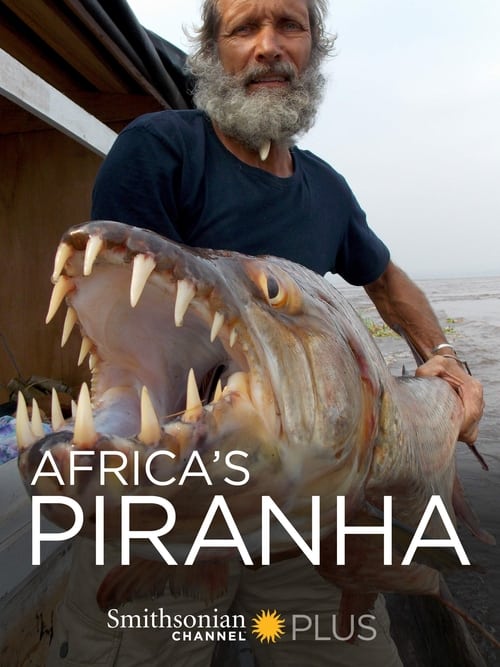
Africa's Piranha
2014
No user ratings available yet
Representation score: 2.1 out of 10
Representation Score
Minimal
2004
PGRuntime
56 minutes
Average Rating
No ratings yetNew Showbiz Analysis
This PBS documentary is driven by biological inquiry and environmental conservation rather than human social dynamics. Since the subject is a man-eating crocodile, the narrative architecture naturally prioritizes scientific methodology over character-driven social representation. The film offers moderate geographic inclusion by centering its story in Tanzania. This provides a non-Western context, though the perspective remains rooted in standard Western scientific traditions. Ultimately, the documentary's focus on non-human subjects limits the opportunity for complex, multi-layered human development. The low diversity score reflects a genre centered on nature rather than social identity.
Category Breakdown
The film focuses entirely on zoological research and wildlife tracking. There are no LGBTQ+ characters or narratives addressing non-straight relationships.
The narrative prioritizes technical expertise and biological subjects over human social dynamics. It lacks significant portrayal of gendered power dynamics or hierarchies.
The Tanzanian setting provides a non-Western geographic context. The story involves the intersection of international scientific efforts and the local Lake Tanganyika environment.
The documentary follows a secular, empirical investigation of natural phenomena. It avoids religious morality but maintains a traditional Western scientific lens.
The content centers on wildlife and environmental science. There is no representation of neurodivergence, physical disabilities, or mental health conditions.
Present on Screen
Limited or Absent
Official Synopsis
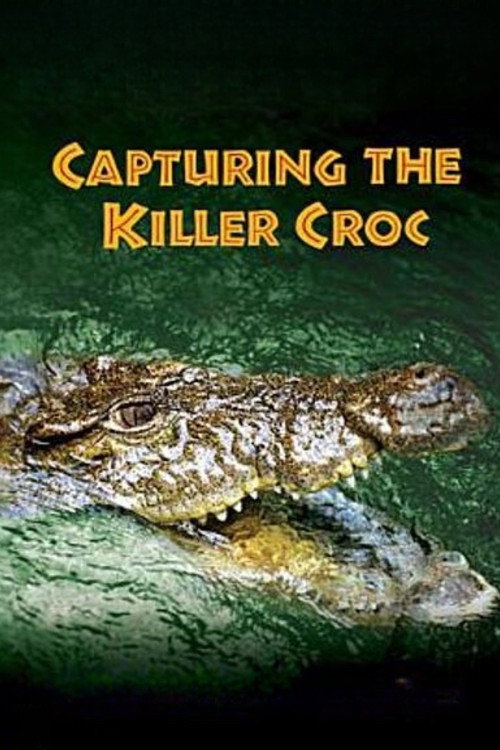
Over a 10-year period, more than 300 people disappeared from the area surrounding Tanzania's Lake Tanganyika. At first, the disappearances were attributed to a serial killer or tribal warfare, but scientists eventually discovered that the culprit was a huge, man-eating crocodile dubbed "Gustave." This fascinating PBS documentary chronicles scientists' efforts to trap Gustave and move him to a nature preserve before he strikes again.
2014

1997
2015
2014

2020
2018
2018
2012
No reviews yet. Be the first to share your thoughts on this movie!
Use the rating form above to leave a star rating and optional review.