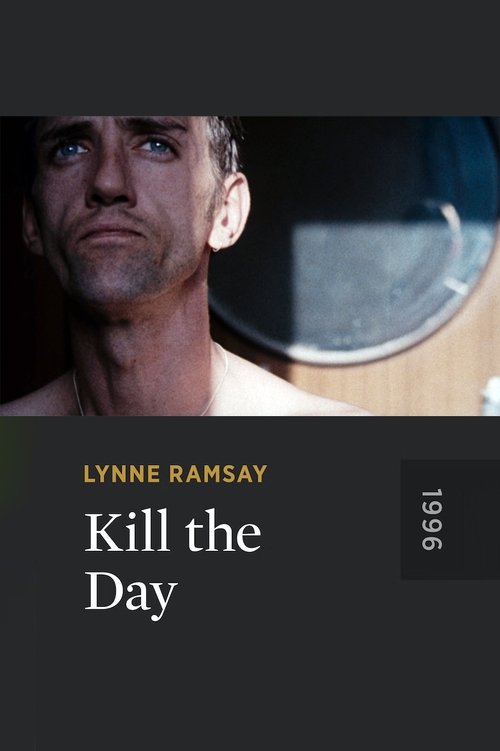
Kill the Day
1996
No user ratings available yet
Representation score: 7.7 out of 10
Representation Score
Good
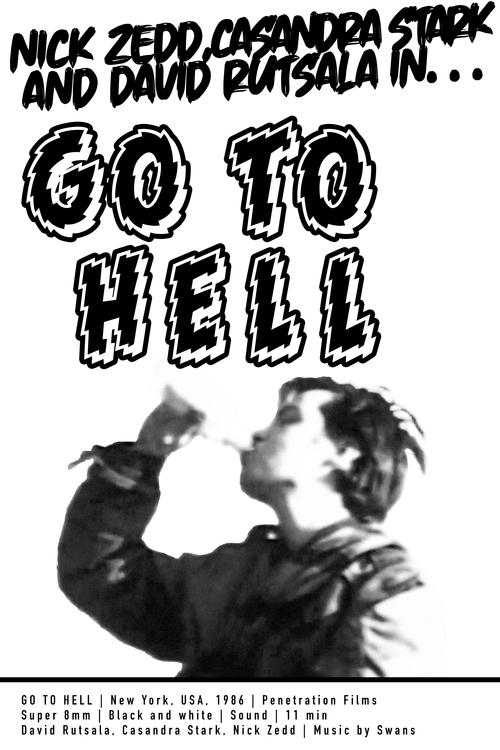
1986
NRDirector
Nick Zedd, David Rutsala
Runtime
11 minutes
Average Rating
No ratings yetNew Showbiz Analysis
Go to Hell operates as a piece of the Cinema of Transgression, prioritizing the deconstruction of social taboos over mainstream cinematic aesthetics. It finds its strength in challenging institutionalized social norms and traditional morality by focusing on the visceral realities of addiction and urban decay. However, the film lacks specific evidence of diverse casting or overt representation for many groups. While the thematic structure is progressive, the actual character depth regarding race, gender roles, and LGBTQ+ identity remains largely unverified or minimal.
Category Breakdown
The film does not include explicit LGBTQ+ characters or narratives. However, its roots in the Cinema of Transgression suggest a framework that exists outside traditional assumptions about straight relationships.
A woman dressed in white appears, though she seems more observational than active. The gritty setting avoids the traditional femininity clichés common in 1980s cinema.
There is no specific information regarding the racial or ethnic composition of the cast. The focus on urban decay suggests a diverse setting, but lacks documented complexity in representing multiple aspects of identity.
The narrative disrupts mainstream conventions by centering on addiction and systemic struggle. It prioritizes raw, subjective experience over traditional morality and social stability.
The film depicts characters dealing with substance use disorders and mental health struggles. These portrayals move away from the sanitized depictions of human struggle found in mainstream media.
Present on Screen
Limited or Absent
Official Synopsis
A junkie wakes up on the streets and walks around, seeing a woman dressed in all white and a heroin addict shooting up.
1996
1961

1970
1983

1975

2019
1990

2015
No reviews yet. Be the first to share your thoughts on this movie!
Use the rating form above to leave a star rating and optional review.