
The Creatress
2019
No user ratings available yet
Representation score: 3.8 out of 10
Representation Score
Good
2024
Not RatedDirector
Ethan Hawke
Runtime
108 minutes
Average Rating
No ratings yetNew Showbiz Analysis
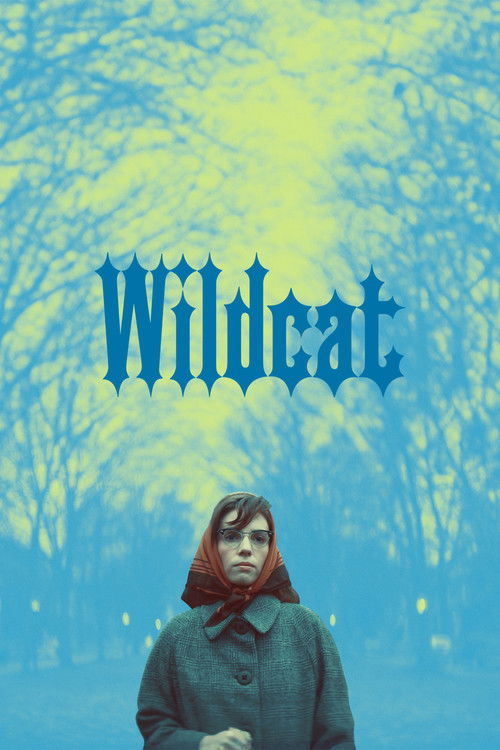
Wildcat is a focused biographical drama that centers on the internal psychological landscape of its protagonist. It challenges mid-century gender norms by highlighting a woman's intellectual ambitions and creative ability to act. The film excels in its nuanced portrayal of chronic illness, avoiding superficial clichés by integrating Flannery's lupus into her spiritual and artistic development. However, the historical setting restricts racial and ethnic diversity. Overall, the film offers a non-conformist exploration of faith and disability, while remaining confined to a specific, historically white Southern social circle.
Category Breakdown
The film focuses on the close relationship between Flannery and her mother. Though it doesn't include explicit LGBTQ identities or same-sex intimacy, it delves into emotional and intellectual isolation.
Flannery is shown as a professional intellectual rather than a domestic figure. The story highlights her significant role in navigating male-dominated literary circles and resisting 1950s societal expectations.
Set in 1950s Georgia, the film captures the era's social realities through a predominantly white Southern literary circle. It stays true to the historical context of the O'Connor family.
The narrative examines the tension between faith and the grotesque. It questions traditional Christian morality by looking at how 'scandalous art' and suffering interact with spiritual beliefs.
Lupus is portrayed as a transformative part of Flannery's identity rather than just a plot device. Her physical limitations serve as a lens for her intellectual and creative growth.
Present on Screen
Limited or Absent
Official Synopsis
Can scandalous art still serve God? Does suffering precede all greatness? Can illness be a blessing? In 1950, writer Flannery O'Connor visits her mother Regina in Georgia when she is diagnosed with lupus at twenty-four years old. Struggling with the same disease that took her father’s life when she was a child and desperate to make her mark as a great writer, this crisis pitches her imagination into a feverish exploration of belief.
2019

1982
2016

2016
2019
2018

2011
2023
No reviews yet. Be the first to share your thoughts on this movie!
Use the rating form above to leave a star rating and optional review.