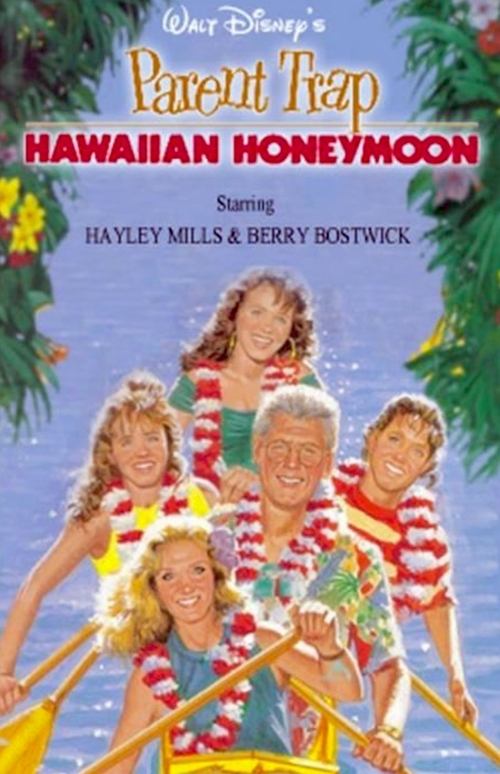
Parent Trap: Hawaiian Honeymoon
1989
No user ratings available yet
Representation score: 1.2 out of 10
Representation Score
Minimal
1989
Director
Mollie Miller
Runtime
86 minutes
Average Rating
No ratings yetNew Showbiz Analysis
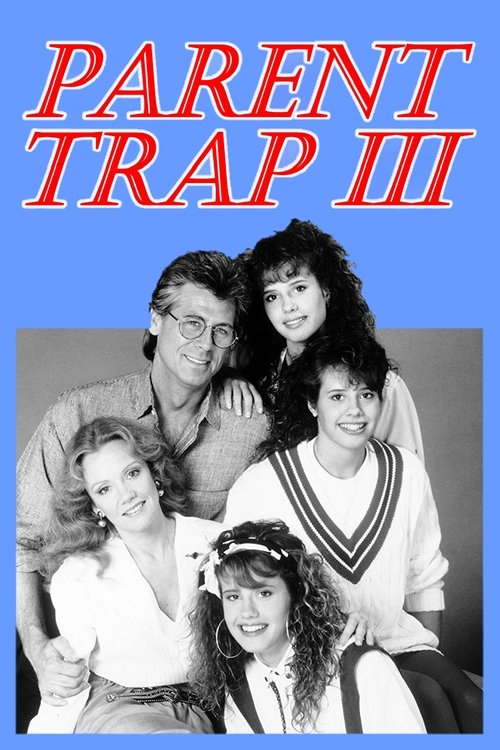
Parent Trap III is a classic late-20th-century domestic comedy that emphasizes the preservation of the nuclear family and adherence to conventional social norms. While the female characters take charge of the plot through strategic actions, the film does not explore diverse identities or challenge established hierarchies. Instead, it reinforces traditional racial, gender, and straight-centered structures common to 1980s television.
Category Breakdown
The film does not include any LGBTQ+ identities or perspectives on non-cisgender relationships.
The female characters play a significant role in driving the plot through their tactical decisions, but the story remains focused on traditional family structures.
The cast is predominantly white and lacks diversity in terms of race and ethnicity.
The film celebrates the idealized nuclear family and traditional Western institutions, emphasizing domestic stability and parental reunification.
No visible or invisible disabilities are represented, and the characters are shown through a lens of able-bodiedness without addressing issues related to disability.
Present on Screen
Limited or Absent
Official Synopsis
When Jeff plans to marry again, his triplet daughters Megan, Lisa and Jessie try to bring him together with Susan.
1989

1961

1986
1968

1991
1998

1981

2025
No reviews yet. Be the first to share your thoughts on this movie!
Use the rating form above to leave a star rating and optional review.