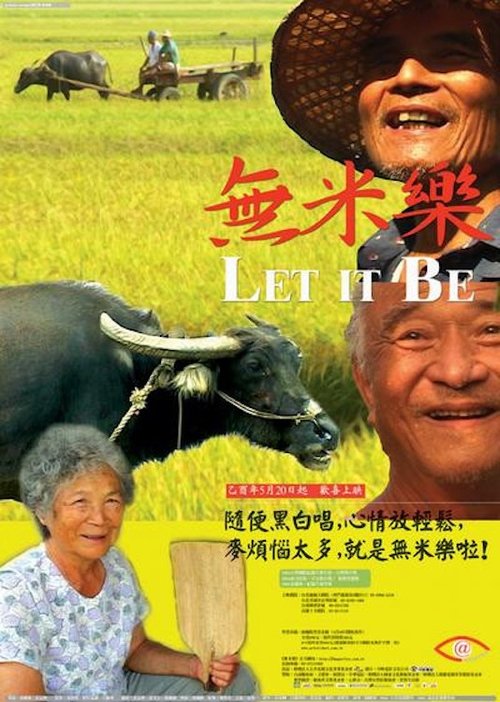
Let It Be
2005
No user ratings available yet
Representation score: 6.1 out of 10
Representation Score
Minimal
2011
PGDirector
Shalahuddin Siregar
Runtime
105 minutes
Average Rating
No ratings yetNew Showbiz Analysis
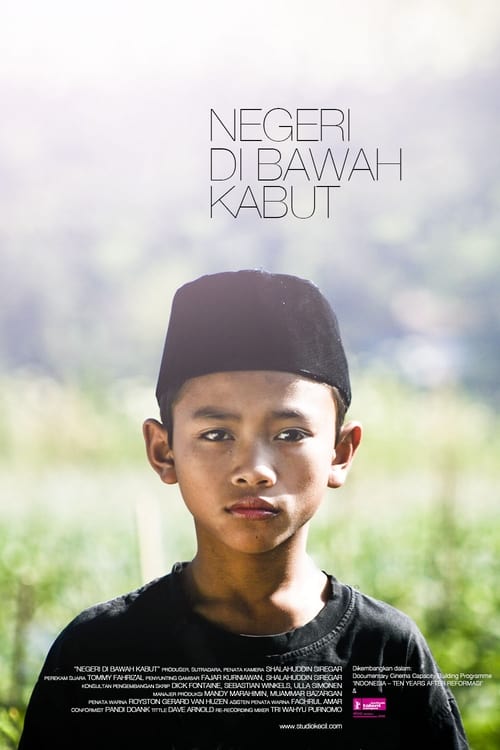
The documentary presents a quiet, observational view of a Javanese farming village. It centers the community’s reliance on traditional calendars and their confusion as seasons shift. The film treats local customs as the primary framework for understanding life. The cast is entirely local, reflecting the specific ethnic and cultural context of the region. There is no focus on individual gender dynamics or disability. The narrative prioritizes the collective experience of the villagers over personal stories. The film presents a traditional worldview where community and nature are deeply linked. It does not challenge these norms but rather documents their persistence in the face of change.
Category Breakdown
No romantic pairings or gender identities appear in the film. The focus remains strictly on agrarian routines and seasonal shifts in the village. The available context contains no discussion of LGBTQ+ themes.
Men and women appear in traditional farming roles within daily village life. Specific power dynamics or labor divisions are not detailed in the synopsis. The narrative prioritizes collective activity over individual gender experiences.
The cast consists entirely of residents from Genikan village in Central Java. The film centers the specific ethnic and cultural identity of this Javanese community. No external racial perspectives are introduced into the frame.
The narrative honors the traditional Javanese calendar system and local farming practices. These customs are framed as vital and coherent. The film documents their persistence against external environmental changes.
No characters with disabilities are mentioned in the synopsis or credits. The focus remains on the collective experience of the farming community. Individual physical differences are not highlighted or discussed.
Present on Screen
Limited or Absent
Official Synopsis
In the rhythm of a slow visual journey, "The Land Beneath the Fog" takes an intimate look on family relations in Genikan, a village on the slope of Merbabu Mountain. A quiet community faces change without understanding why it happens. As a community of farmers who rely on traditional Javanese calendar system to read the seasons, they become puzzled by the dramatic change of seasons. Describing a life on the brink of vanishing, this documentary offers deep insights into an invisible and disenfranchised society which is struggling hard underneath its veiled existence.
2005
2010
2012
2004
2020
2013
2012
2019
No reviews yet. Be the first to share your thoughts on this movie!
Use the rating form above to leave a star rating and optional review.