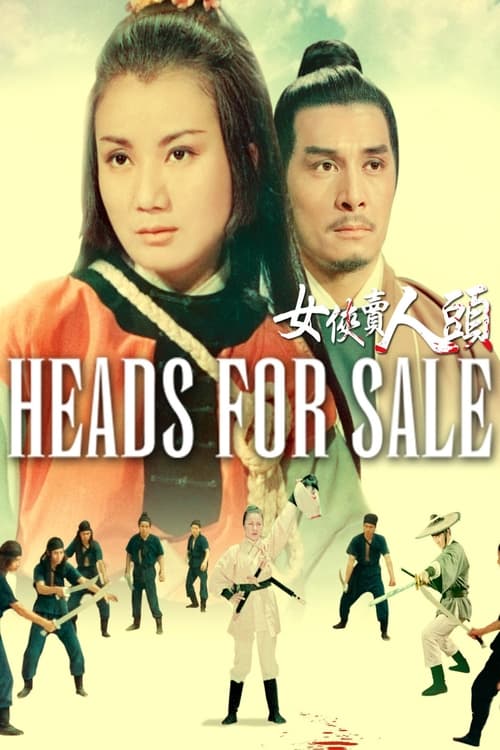
Heads for Sale
1970
No user ratings available yet
Diversity score: 4.4 out of 10
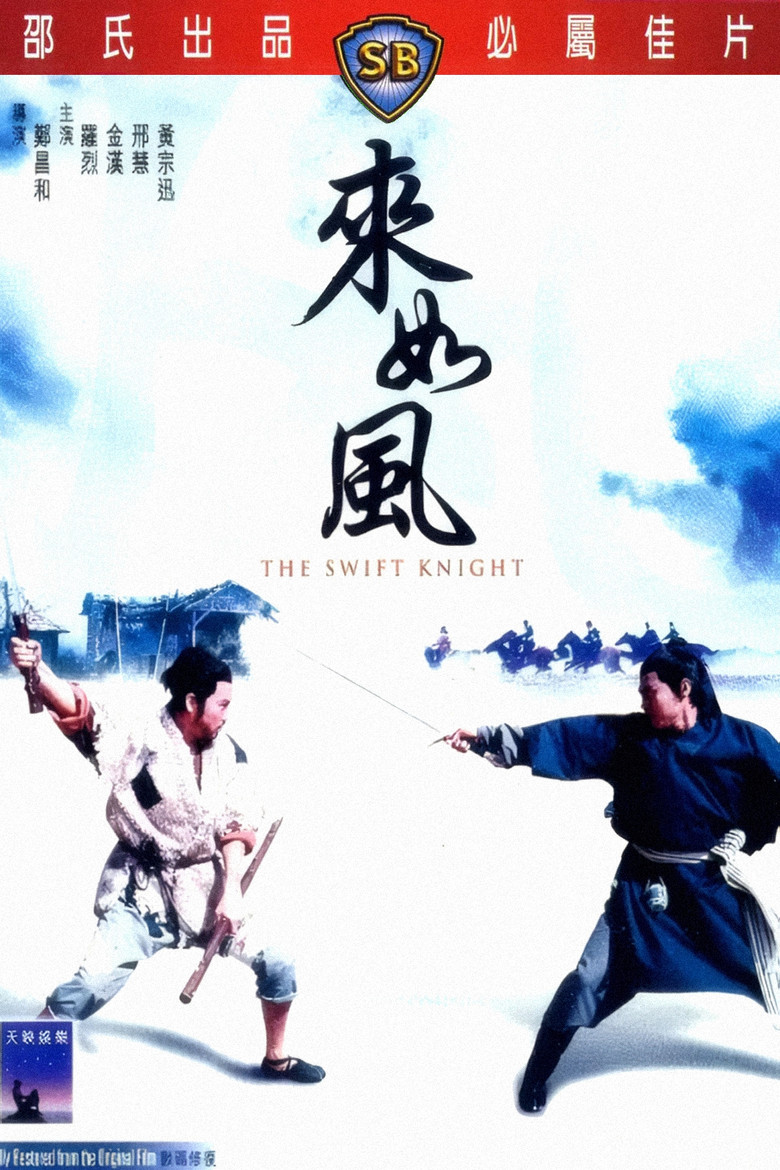
1971
Director
Jeong Chang-hwa
Runtime
80 minutes
Average Rating
No ratings yetSynopsis
In a rare reversal of typecasting, Shaw Brothers' perennial bad guy Lo Lieh breaks tradition to play the honorable and noble swordsman in The Swift Knight. It's a tale of brave knights, chivalry and fair maidens where the Swift Knight (Lo Lieh) finds himself involved in romance, court intrigue and deadly jousts while trying to protect the lives of a pair of siblings as the fate of the throne depends on them.
Overall Score
Fair
Category Breakdown
LGBTQ+ Representation
The film operates within a heteronormative framework typical of 1970s martial arts cinema. There is no evidence of same-sex intimacy or non-cisnormative identities.
Gender Representation
Female characters often occupy the 'fair maiden' trope, appearing as subjects in need of protection. However, their survival remains central to the political stakes of the throne.
Racial & Ethnic Diversity
The cast is culturally homogeneous, reflecting a historical Chinese setting. It provides a robust representation of East Asian identity consistent with the era's standards.
Religious & Cultural Diversity
The narrative emphasizes Confucian ideals such as loyalty, honor, and social hierarchy. It reinforces traditional institutions like monarchy and familial duty rather than critiquing them.
Disability Representation
There is no documented evidence regarding the portrayal of physical or neurodivergent disabilities within the film.
Strengths
Areas for Improvement
AI Analysis
The Swift Knight is a quintessential wuxia epic that prioritizes traditional heroism and the restoration of social order. Its narrative structure adheres to the genre conventions of 1971, focusing on chivalry and court intrigue. While the film lacks modern intersectional complexity, it offers a significant subversion of internal studio casting. By casting Lo Lieh—usually a villain—as an honorable protagonist, the film disrupts established character archetypes. Ultimately, the work serves as a period-accurate reflection of early 1970s Hong Kong cinema, emphasizing historical Chinese identity and traditionalist values over social subversion.
1970
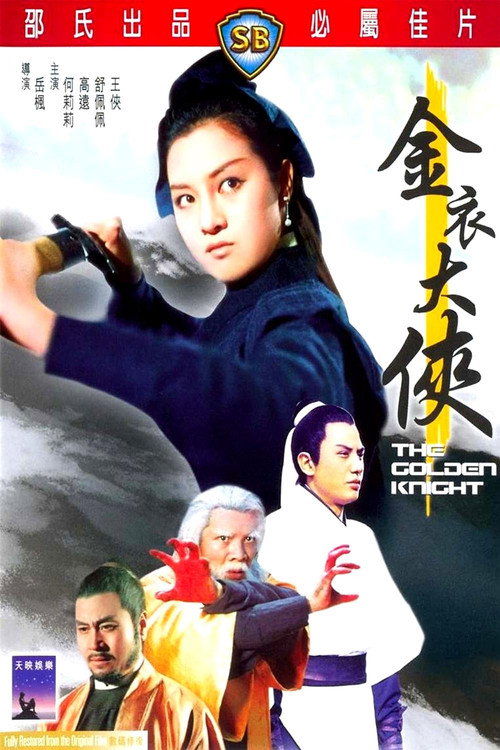
1970
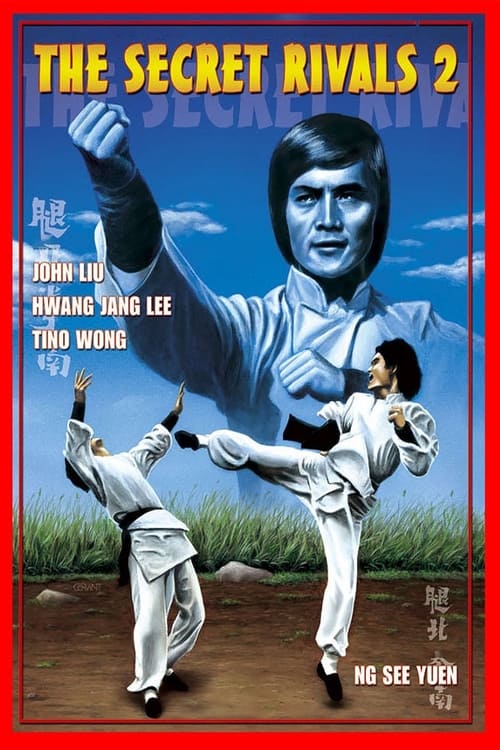
1977
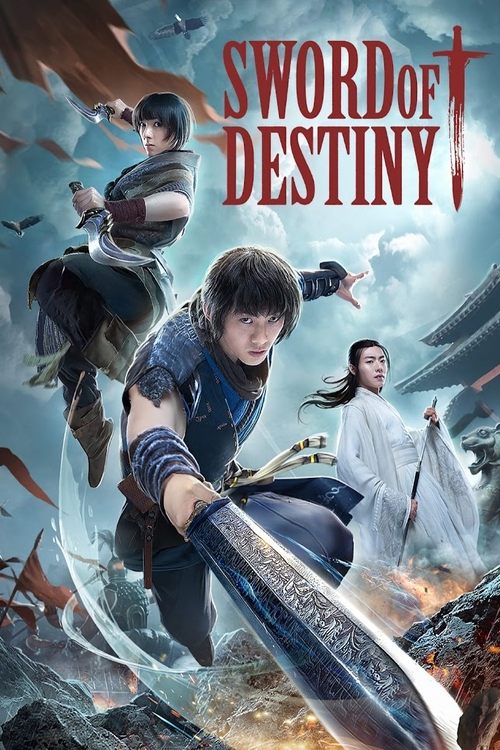
2021

1965
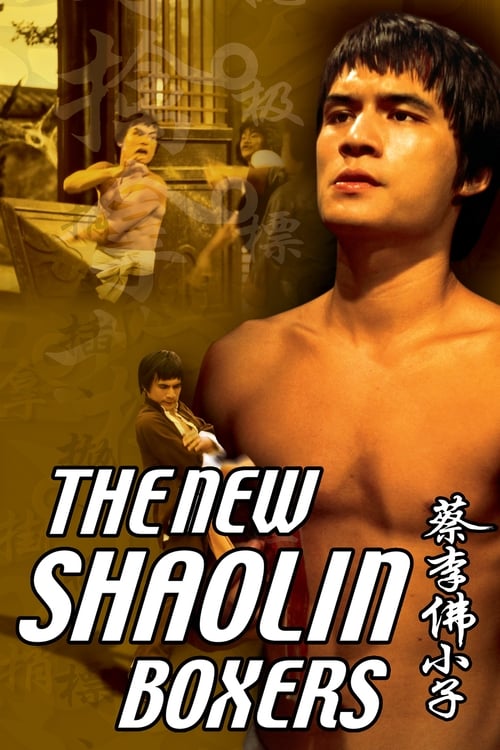
1976
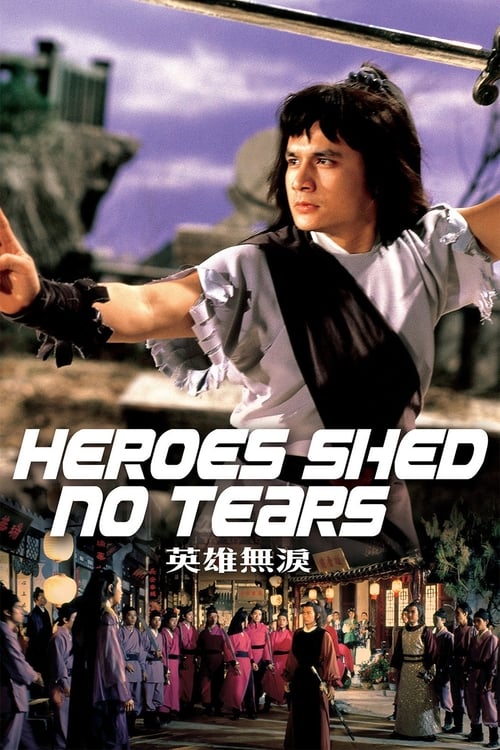
1980

1983
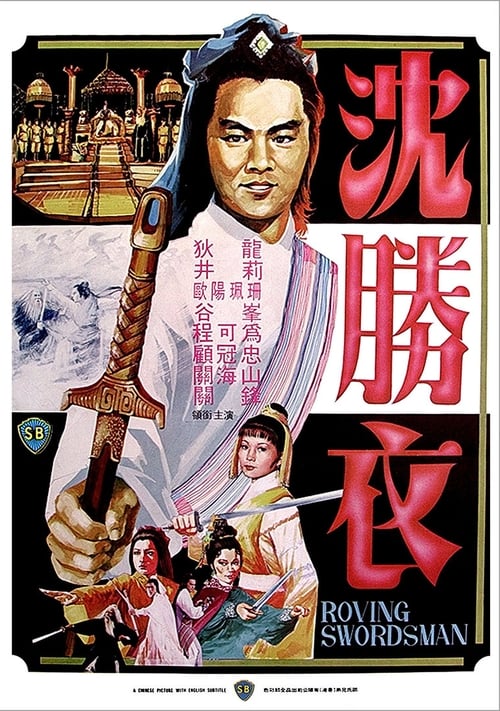
1983

1971
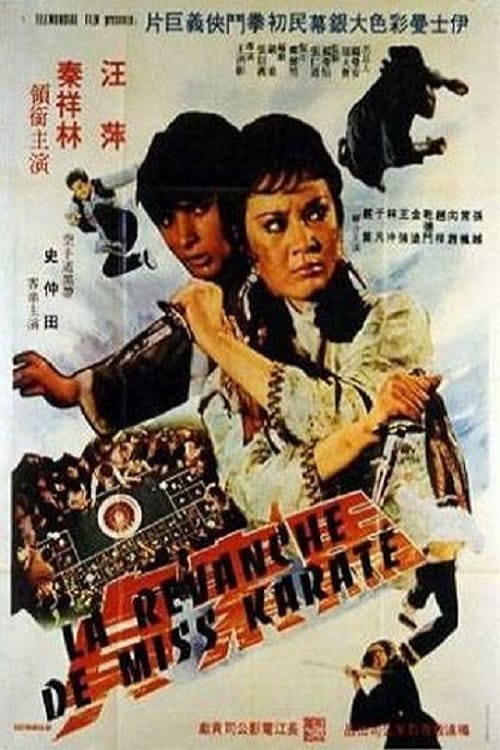
1973
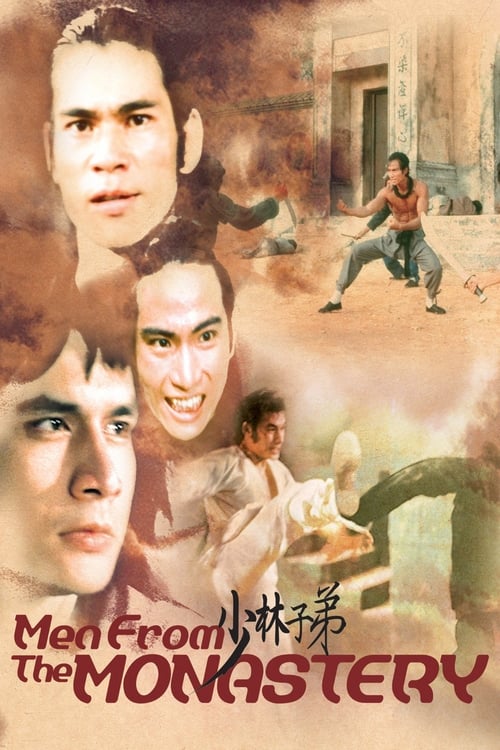
1974
No reviews yet. Be the first to share your thoughts on this movie!
Use the rating form above to leave a star rating and optional review.