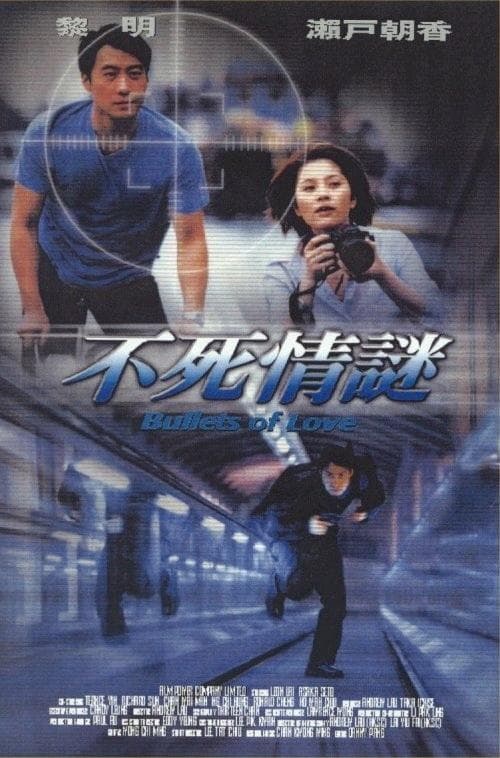
Bullets of Love
2001
No user ratings available yet
Diversity score: 4.1 out of 10

1993
Director
Andrew Lau Wai-Keung
Runtime
95 minutes
Average Rating
No ratings yetSynopsis
A lawyer is obsessed by a TV advertisement's two models, Yau Yuk Nam and Chu Kit Man. He schemes an elaborate plot to sexually assault Chu and get away with it. With the help of a philanthropic triad boss, Yau uses her body to lure him into a trap.
Overall Score
Limited
Category Breakdown
LGBTQ+ Representation
The film lacks explicit LGBTQ+ characters or narratives. The central conflict focuses on traditional gendered power dynamics and sexual predation rather than non-heteronormative identities.
Gender Representation
The narrative subverts the victim trope by granting the female protagonist, Yau Yuk Nam, significant agency. She uses her body as a strategic tool to trap the antagonist, reclaiming power.
Racial & Ethnic Diversity
As a Hong Kong production, the cast and setting are predominantly East Asian. The film functions as a localized cultural product without significant racial blending.
Religious & Cultural Diversity
The story explores a cynical social landscape where legal authority and organized crime intersect. It depicts a world where justice is achieved through extra-legal, anti-social means.
Disability Representation
There is no mention of characters with visible or invisible disabilities within the narrative.
Strengths
Areas for Improvement
AI Analysis
Raped by an Angel is a dark, genre-driven thriller that explores power through a lens of sexual predation and systemic manipulation. While it operates within the tropes of Hong Kong crime cinema, it attempts to complicate the relationship between victim and predator. The film's primary strength lies in its subversion of gendered hierarchies. By transforming the female lead from a potential victim into a strategic orchestrator of a trap, the story shifts the agency away from the male antagonist. However, the film remains limited in its scope of representation. It relies heavily on traditional crime archetypes and lacks intersectional depth, focusing almost exclusively on a narrow set of social and gendered conflicts.
No reviews yet. Be the first to share your thoughts on this movie!
Use the rating form above to leave a star rating and optional review.