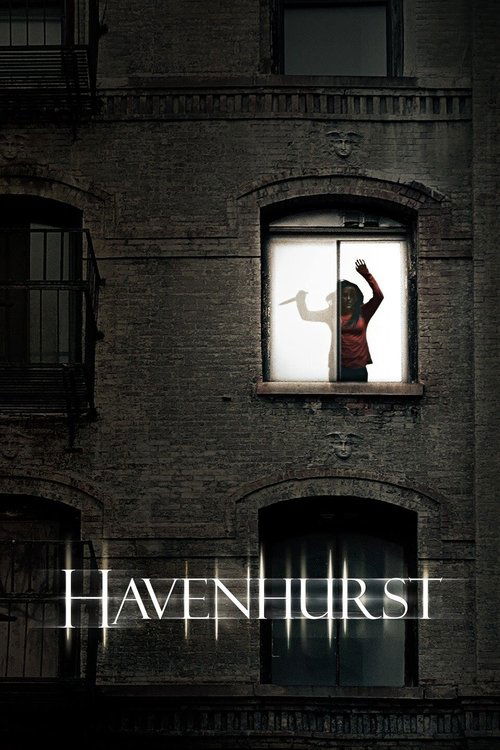
Havenhurst
2016
No user ratings available yet
Representation score: 5.6 out of 10

Representation Score
Fair
2021
UnratedDirector
Dasha Nekrasova
Runtime
81 minutes
Average Rating
No ratings yetNew Showbiz Analysis
Dasha Nekrasova’s film prioritizes postmodern aesthetic experimentation over broad demographic representation. It successfully deconstructs traditional social engagement and Western values through a nihilistic, post-ironic lens. However, the work remains limited by its highly homogeneous cast. Focusing almost exclusively on white, cisgender individuals narrows the narrative scope and lacks multi-layered depth. Ultimately, the film serves primarily as a philosophical exercise rather than a tool for social representation, failing to engage with underrepresented identities.
Category Breakdown
The film does not include explicit depictions of same-sex relationships or non-cisgender identities. While the theme of identity fluidity is explored, there are no specific LGBTQ+ character stories.
The story focuses entirely on female characters, breaking away from typical male-centric thriller clichés by emphasizing domestic life. However, it maintains a neutral stance on female friendships without challenging traditional gender roles.
The main cast consists of white, cisgender women. Set in a homogeneous urban environment, the film lacks significant racial or ethnic diversity and adheres to conventional casting practices.
The film effectively portrays moral relativism and situational apathy. It critiques consumerist culture through a post-ironic lens, presenting a fragmented, subjective reality that replaces traditional Western values.
There is no representation of physical, neurodivergent, or mental health disabilities. Characters do not have disabilities that influence the plot or give them ability to act.
Present on Screen
Limited or Absent
Official Synopsis
Two roommates’ lives are upended after finding out that their new Manhattan apartment harbors a dark secret.
2016

2011
2012
2021
2022

2018
2017
2017
No reviews yet. Be the first to share your thoughts on this movie!
Use the rating form above to leave a star rating and optional review.