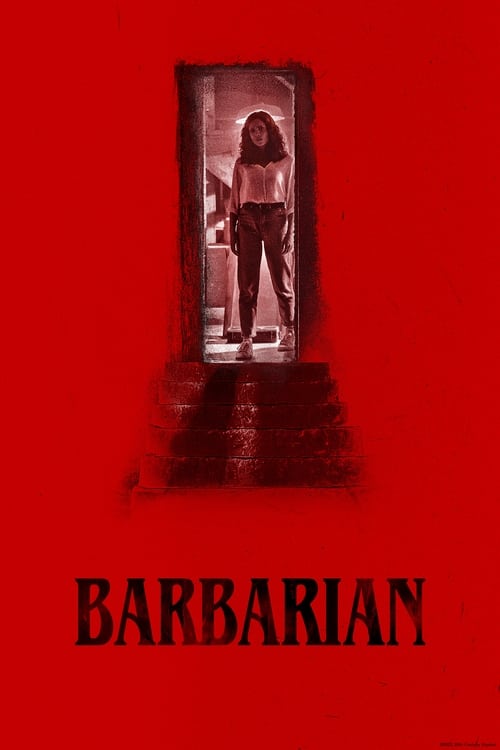
Barbarian
2022
No user ratings available yet
Representation score: 7.8 out of 10

Representation Score
Excellent
2021
RDirector
Santiago Menghini
Runtime
85 minutes
Average Rating
No ratings yetNew Showbiz Analysis
Santiago Menghini’s film places the immigrant experience at the center of a claustrophobic horror narrative. By featuring a Latin American protagonist, it offers a critique of the socioeconomic challenges faced by immigrants. The film’s strength lies in its subversion of gender clichés, focusing on the protagonist’s internal struggle for autonomy rather than passivity. However, it lacks specific engagement with LGBTQ+ identities and does not provide detailed representations of physical or neurodivergent disabilities. Ultimately, the film uses the horror genre to explore the fragility of the human condition and the failures of capitalism, providing a visceral critique of societal issues.
Category Breakdown
The film does not engage with LGBTQ+ identities or same-sex relationships. It adheres to traditional assumptions about straight relationships.
The story focuses on the female protagonist's psychological journey and her fight for bodily autonomy. It avoids the 'damsel in distress' cliché by highlighting her active role in the narrative.
A Latin American protagonist drives the narrative. The film critiques the American Dream by showing the socioeconomic struggles faced by immigrants.
The film critiques Western economic structures and the false promise of upward mobility. It uses a deteriorating setting to highlight the systemic neglect of the poor.
There are no explicit characters with physical or neurodivergent disabilities. However, the film uses bodily transgressions as a metaphor for losing physical control.
Present on Screen
Limited or Absent
Official Synopsis
An immigrant in search of the American dream is forced to take a room in a boarding house and soon finds herself in a nightmare from which she can't escape.
2022

2019

2018

2018

2021

2018

2019

2018
No reviews yet. Be the first to share your thoughts on this movie!
Use the rating form above to leave a star rating and optional review.